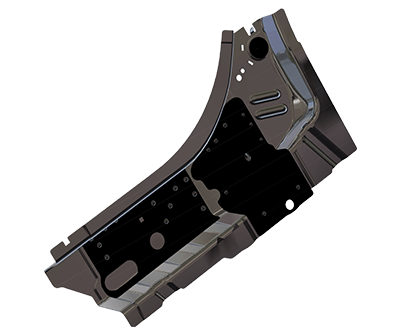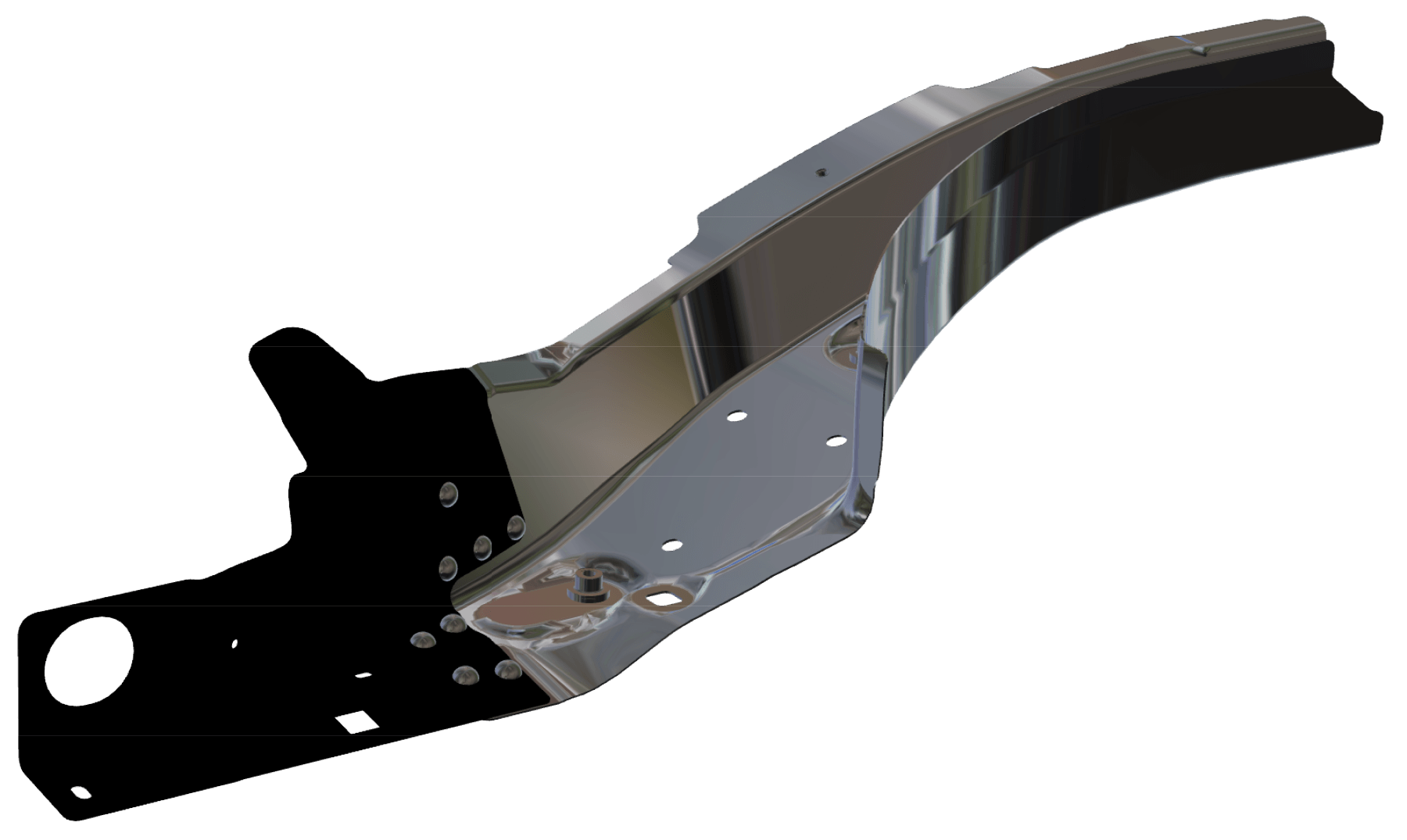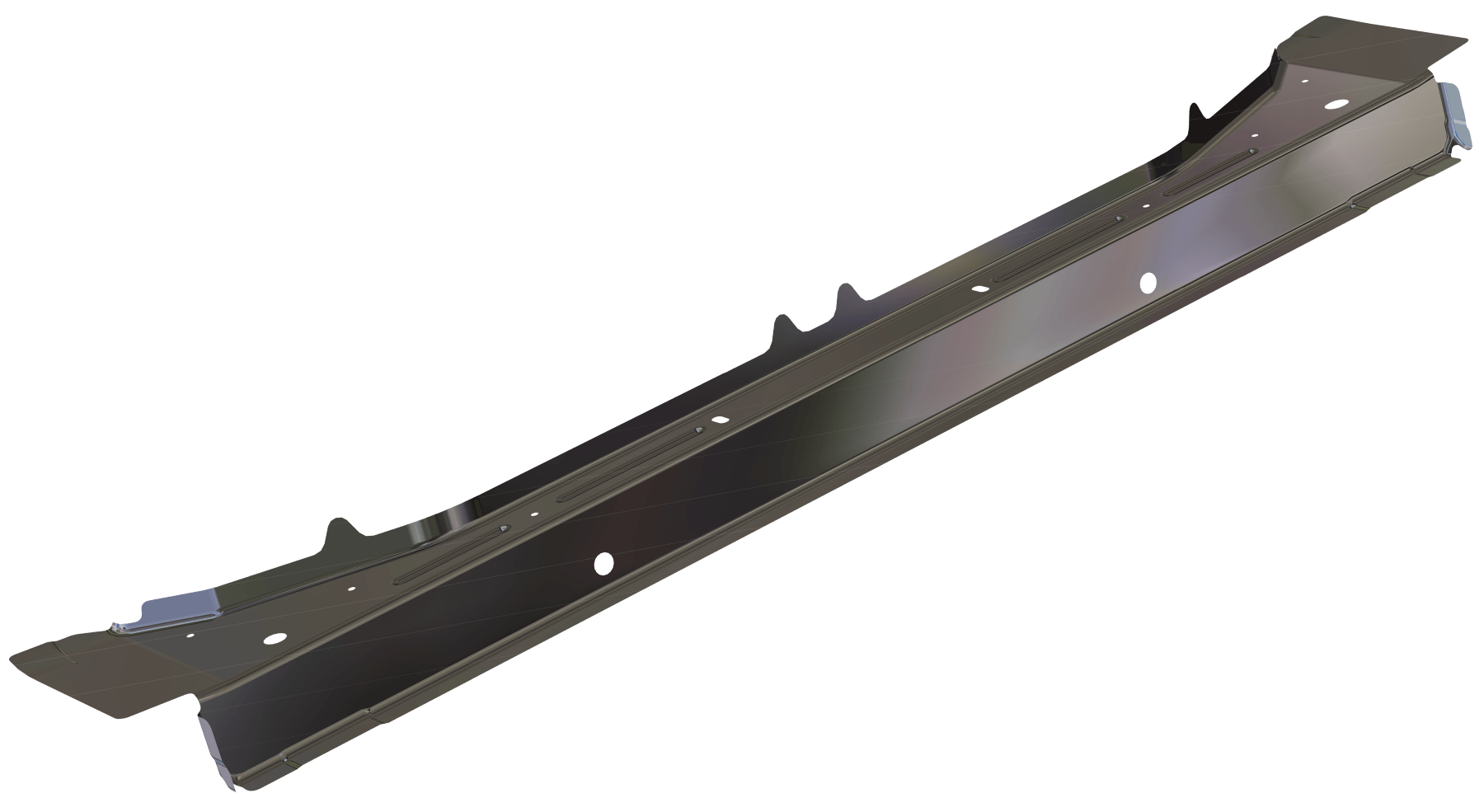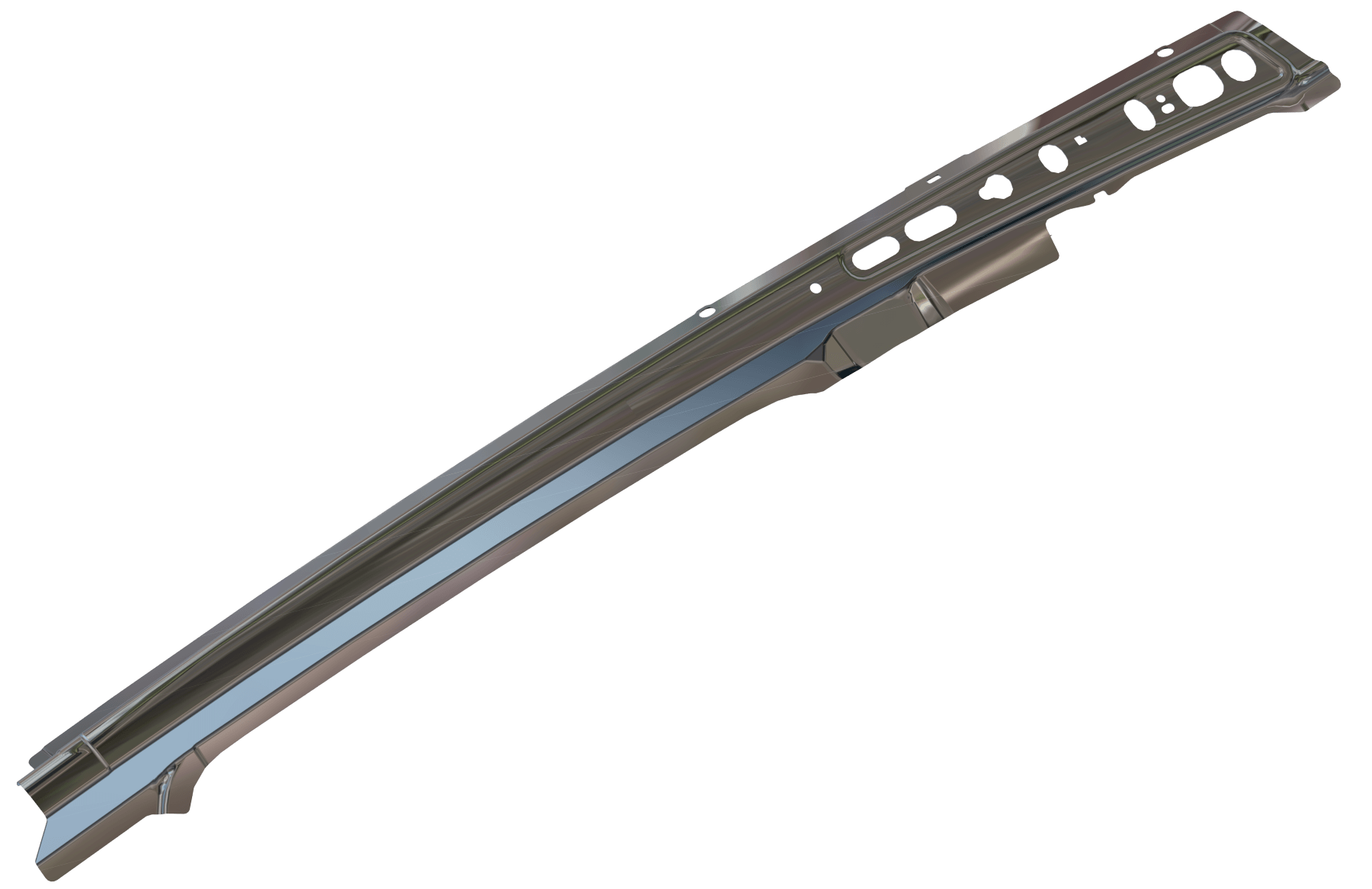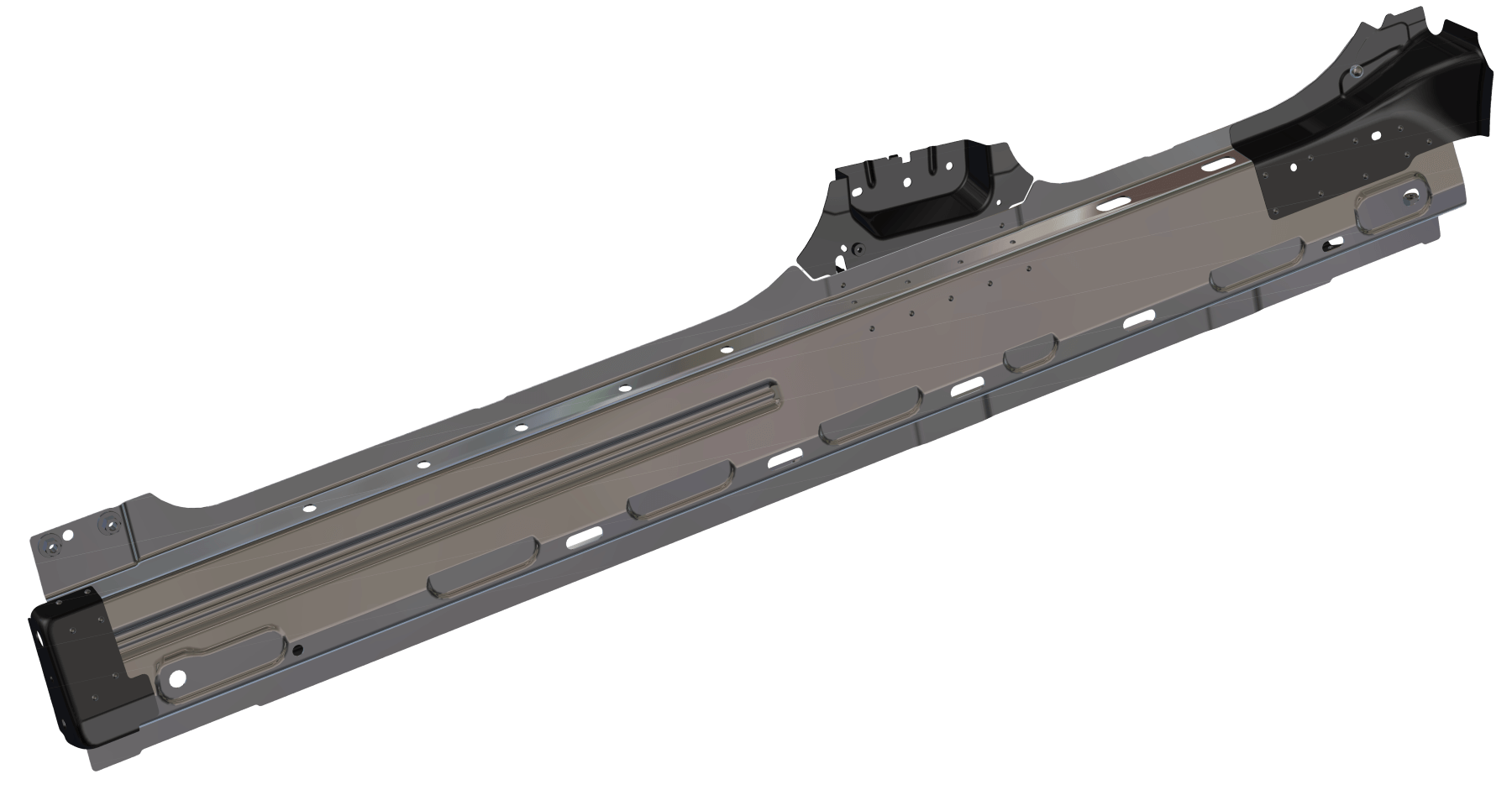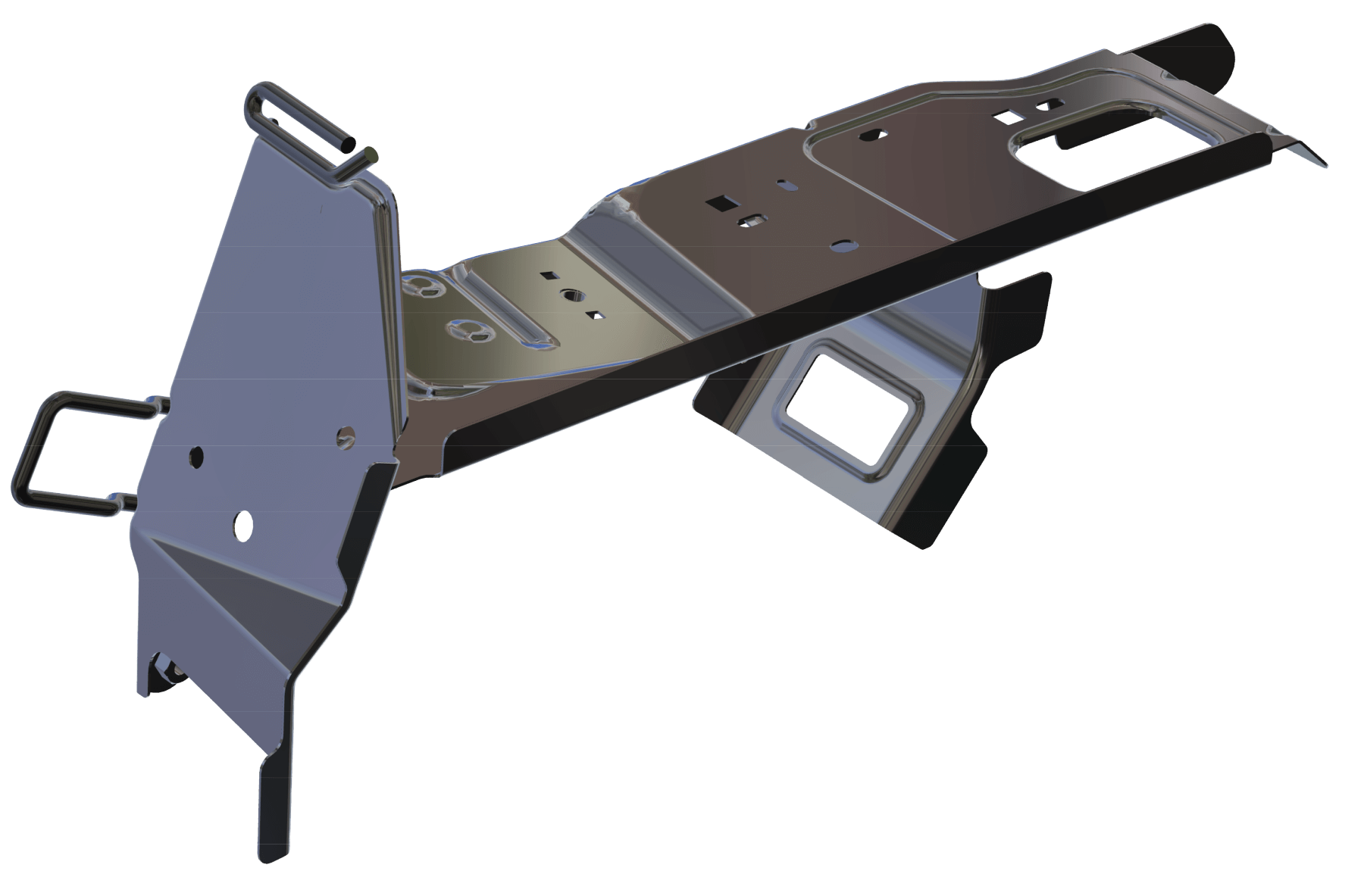



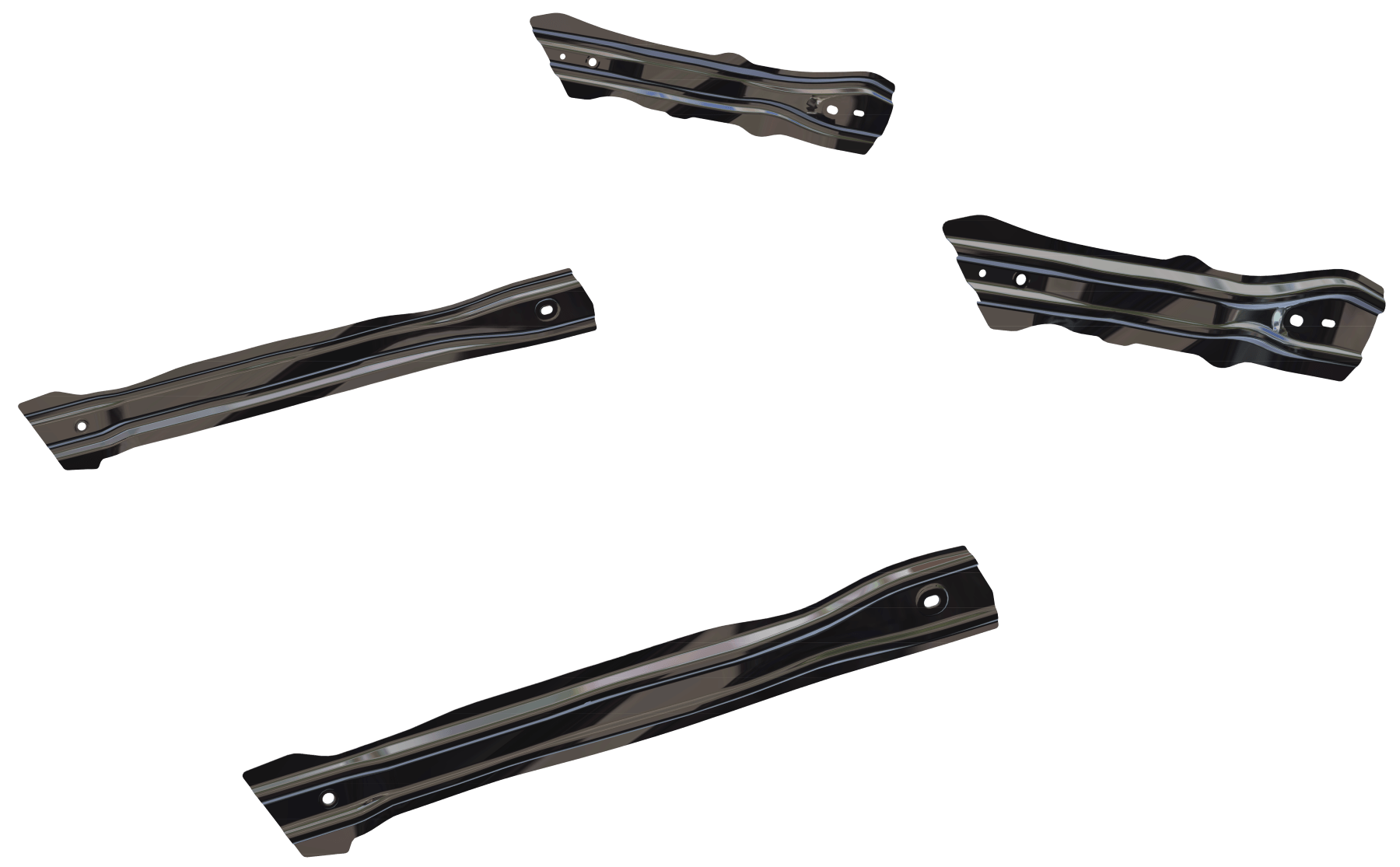
FRONT & REAR DOOR BEAMS
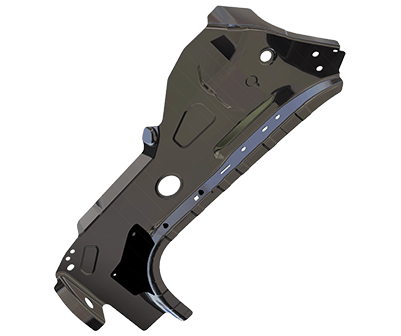
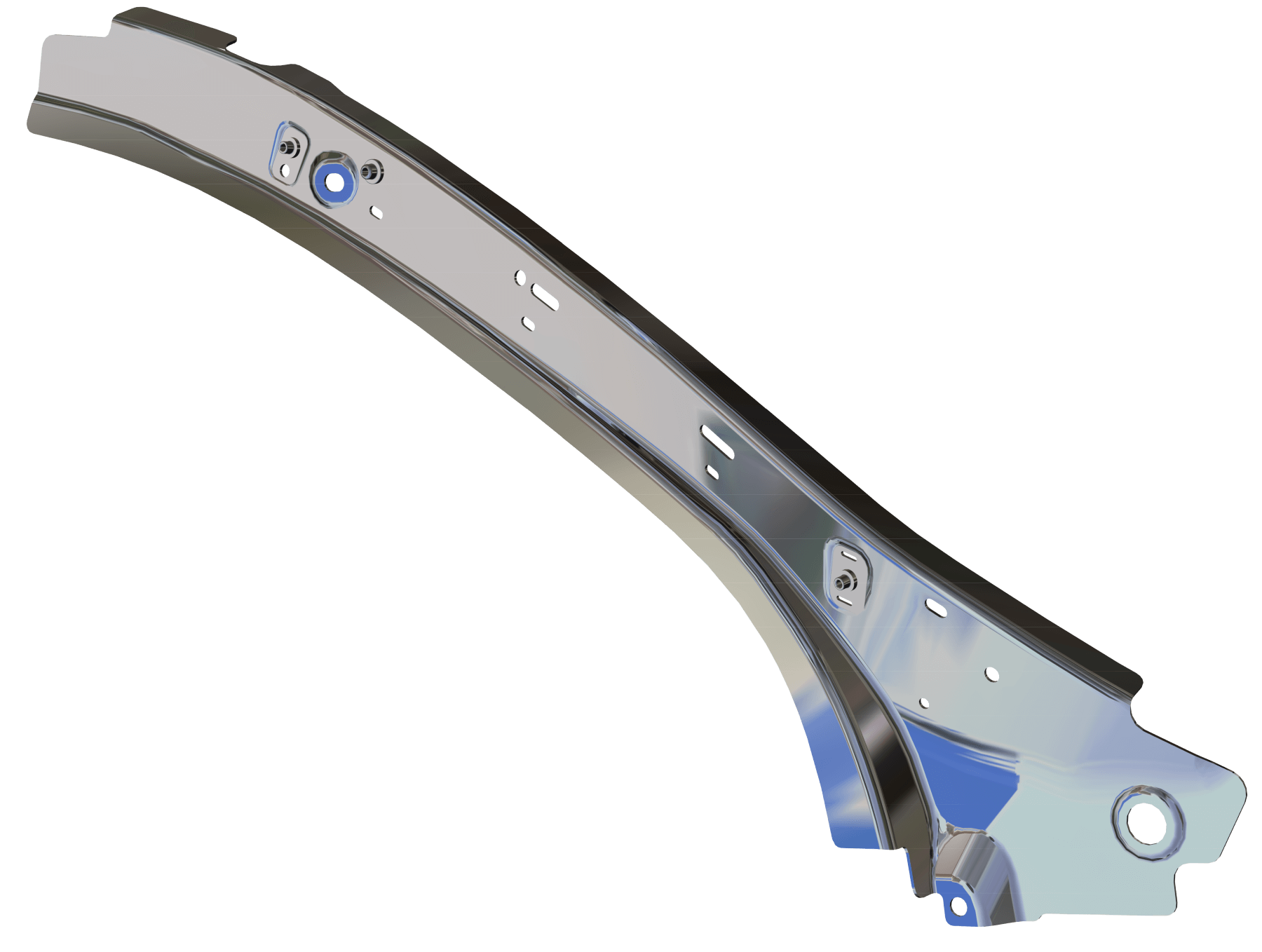
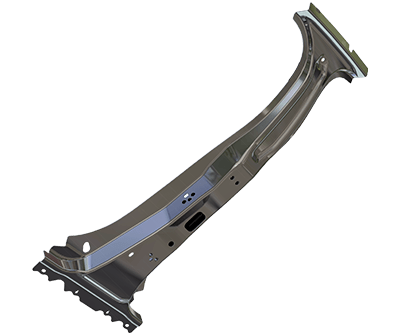
Front and rear door beams are internal reinforcement structures integrated within the door assemblies of a vehicle’s body-in-white (BIW). Positioned horizontally inside both front and rear doors, these beams are designed to enhance side-impact protection and contribute to overall structural integrity.
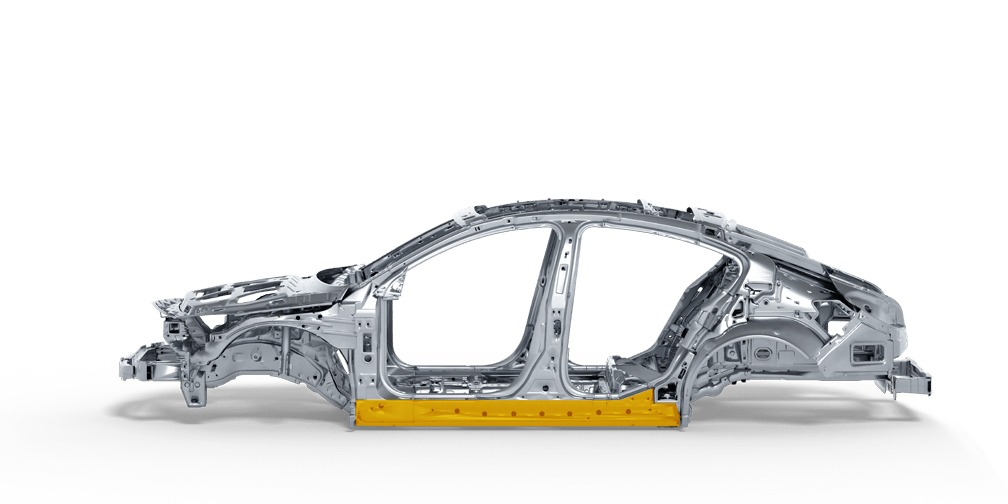
It serves several critical functions:
-
Side-impact protection: Act as primary structural barriers during lateral collisions, helping to prevent intrusion into the passenger compartment.
-
Energy absorption: Dissipate and transfer crash energy from the point of impact across the door and into the surrounding body structure.
-
Structural reinforcement: Increase the stiffness of the door assemblies, reducing deformation and improving door durability over time.
-
Occupant safety: Work in conjunction with side airbags, door trim, and seatbelt systems to provide a multi-layered safety response in crash scenarios.
-
Crash compatibility: Ensure alignment with the vehicle's crash load paths, improving interaction with other vehicles or obstacles in side impacts.
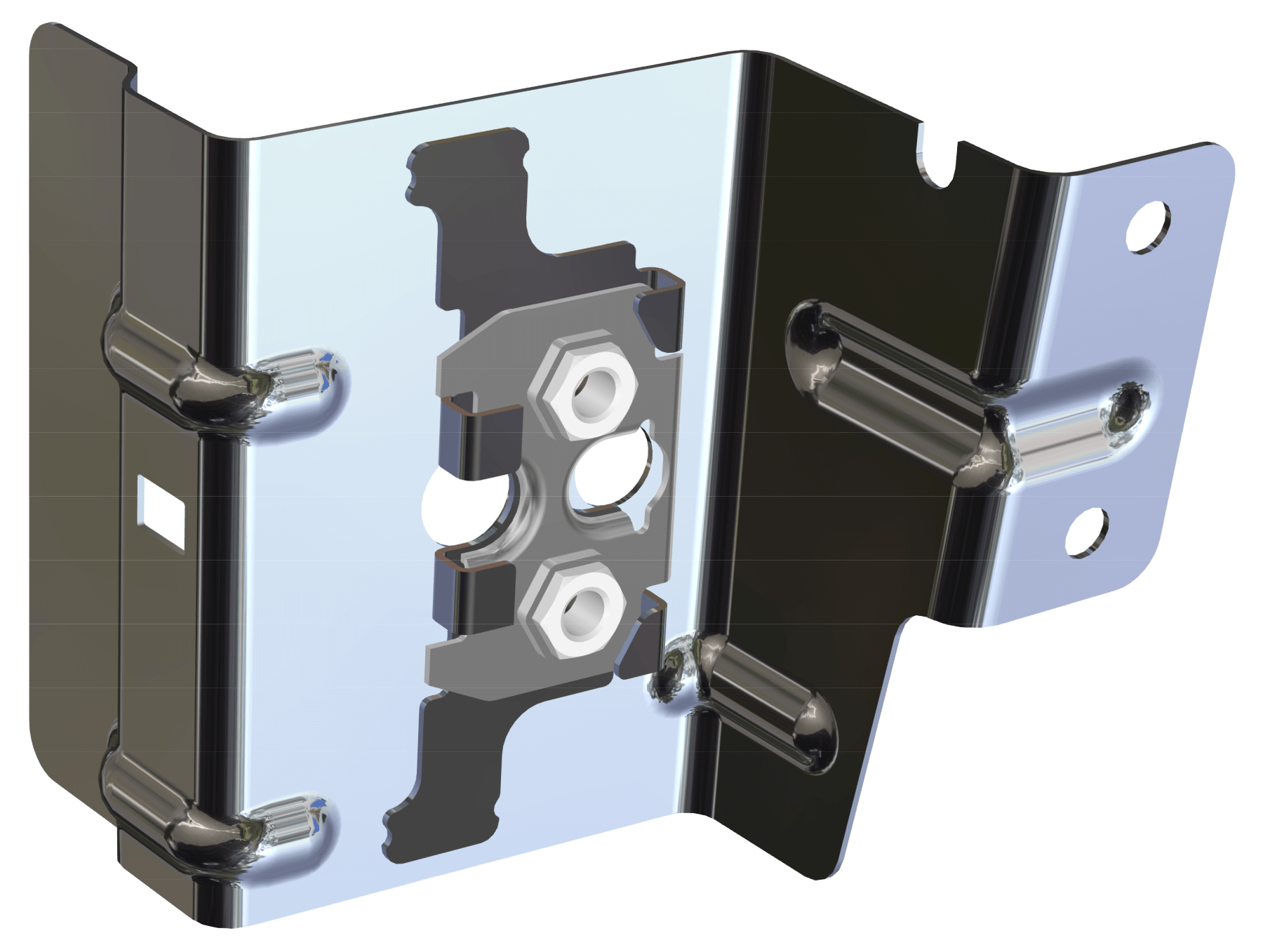
Door beams are typically made from ultra-high-strength steel (UHSS), boron steel, or aluminum, and are manufactured using hot stamping, roll forming, or hydroforming processes. They are joined to the inner door structure using welding, adhesives, or mechanical fasteners, and may vary in geometry depending on vehicle class and crash requirements.
This component
is manufactured and assembled
using technologies such as:

Hot Stamping

Fully developed Trim Line
BODY IN WHITE
Body in White (BIW) is the stage in automotive manufacturing where the vehicle’s sheet metal structure (body) is fully assembled.
BIW includes the main structural and outer body components such as:
floor pan, roof, side panels, front and rear aprons, pillars (A, B, C), door frames, hood and trunk lid (if pre-assembled).
These components made and joined using technologies such as:
hot and cold forming, spot welding, laser cutting, MIG/MAG welding, laser welding, riveting, adhesive bonding.
The BIW structure ensures vehicle stifness, crash safety, dimensional accuracy, and provides the base for further assembly and surface finishing processes.