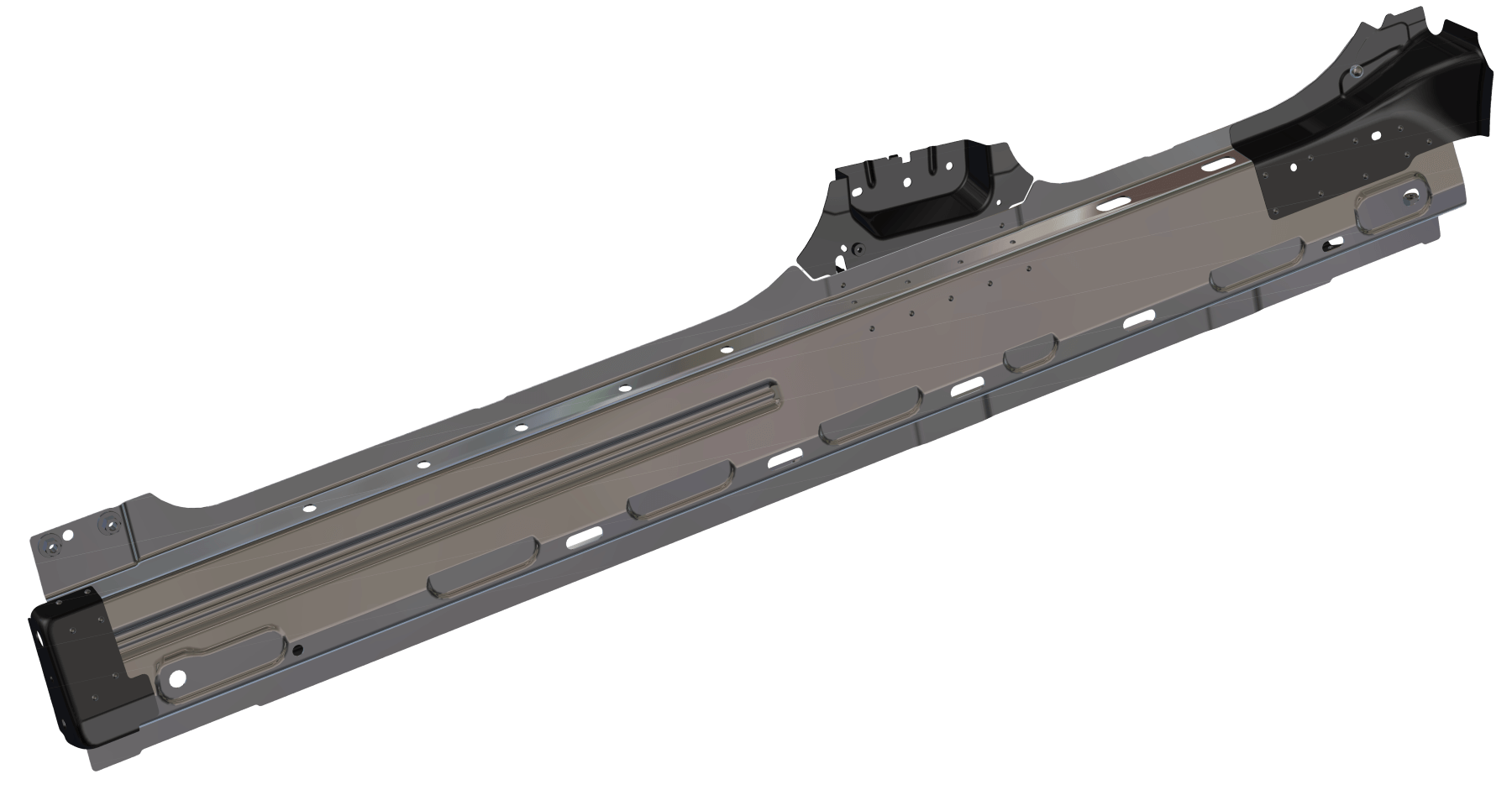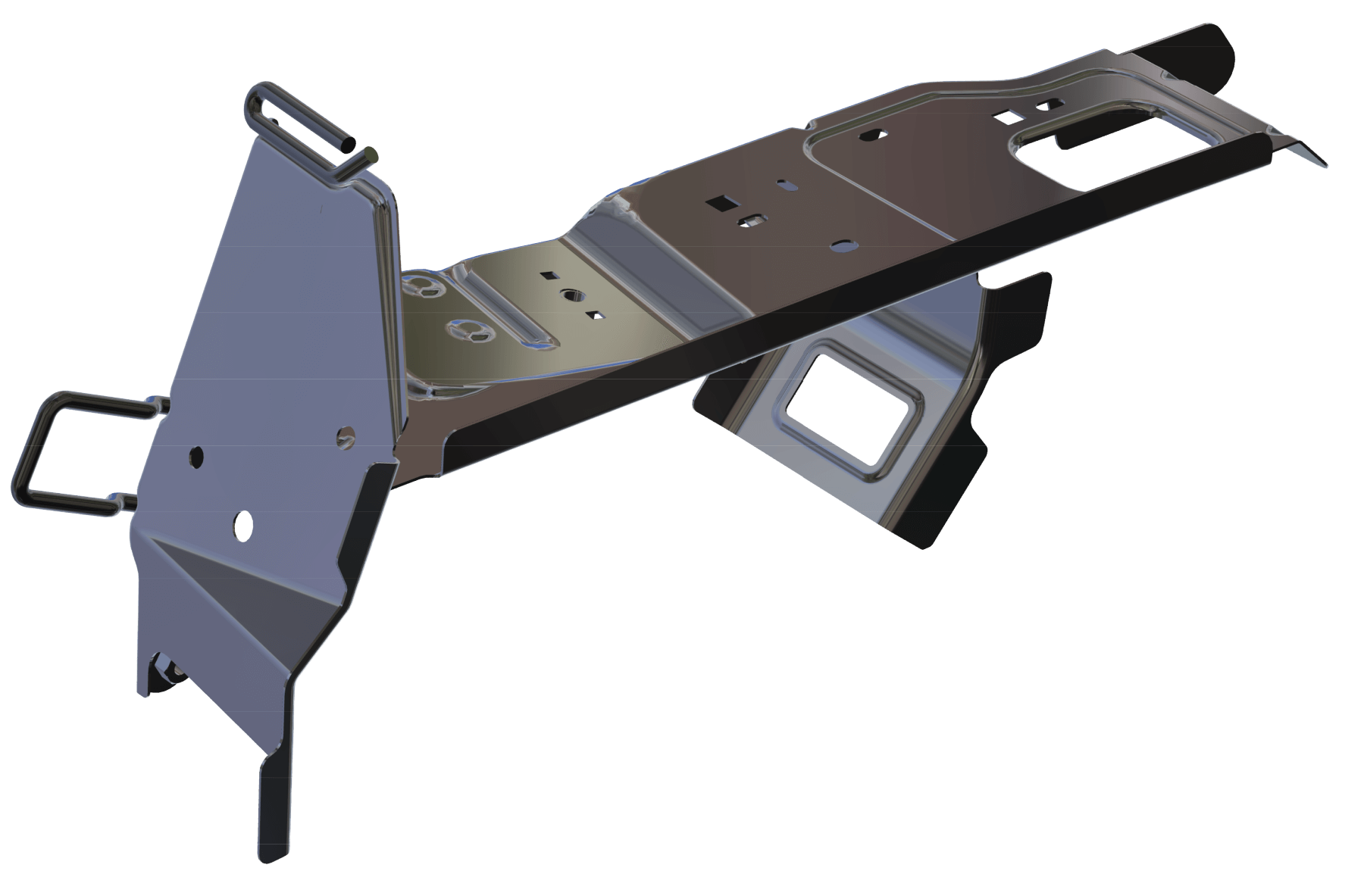



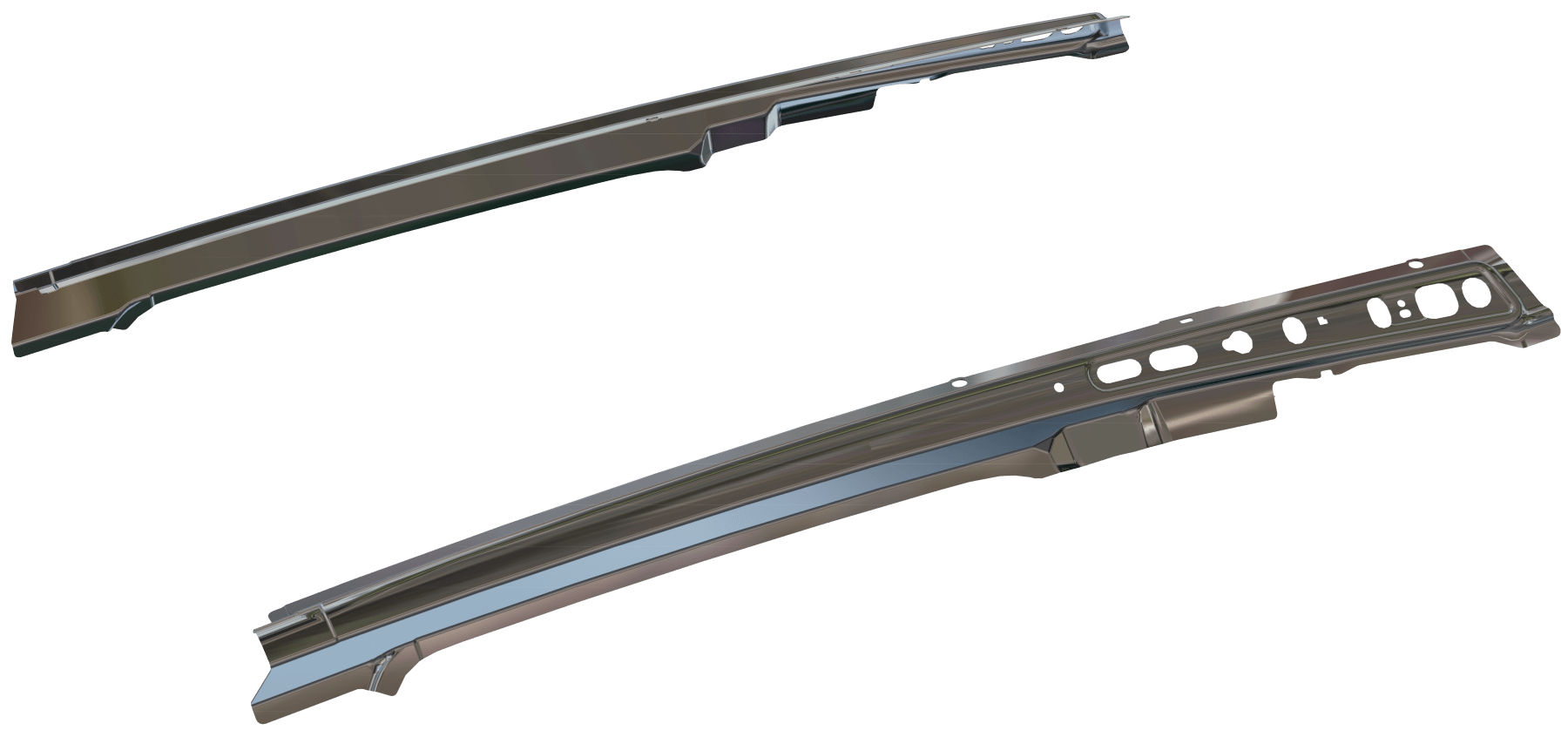
ROOF FRAME
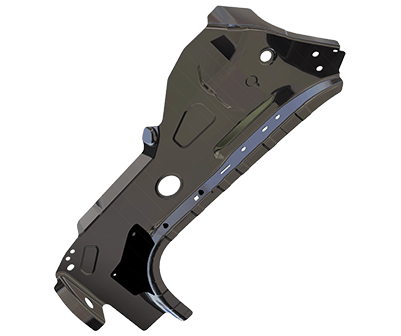
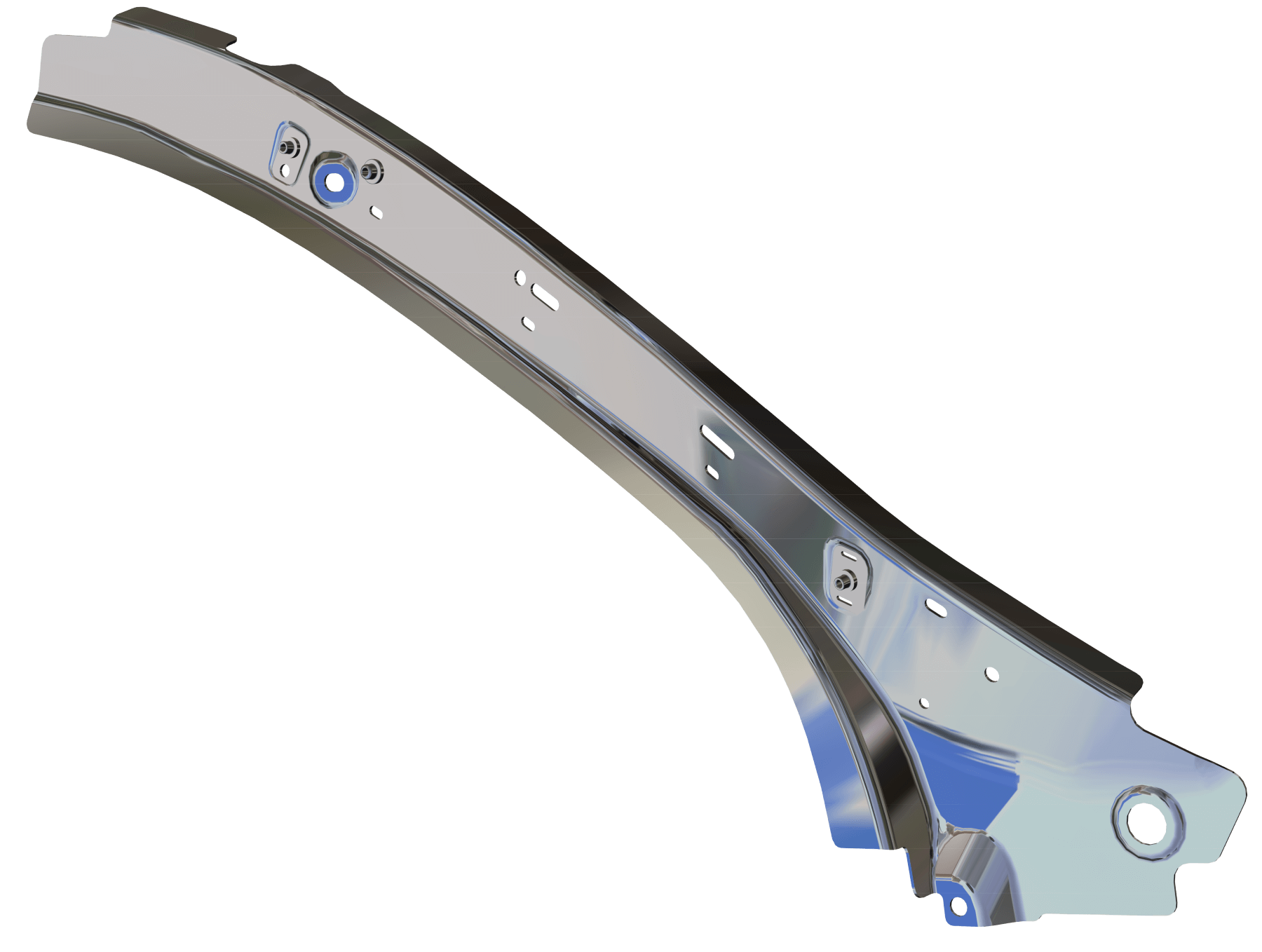
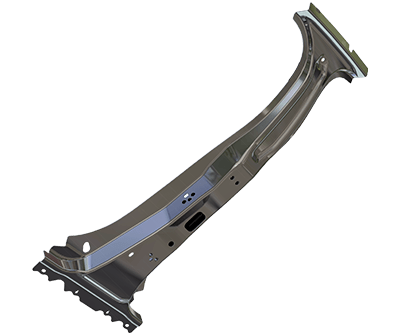
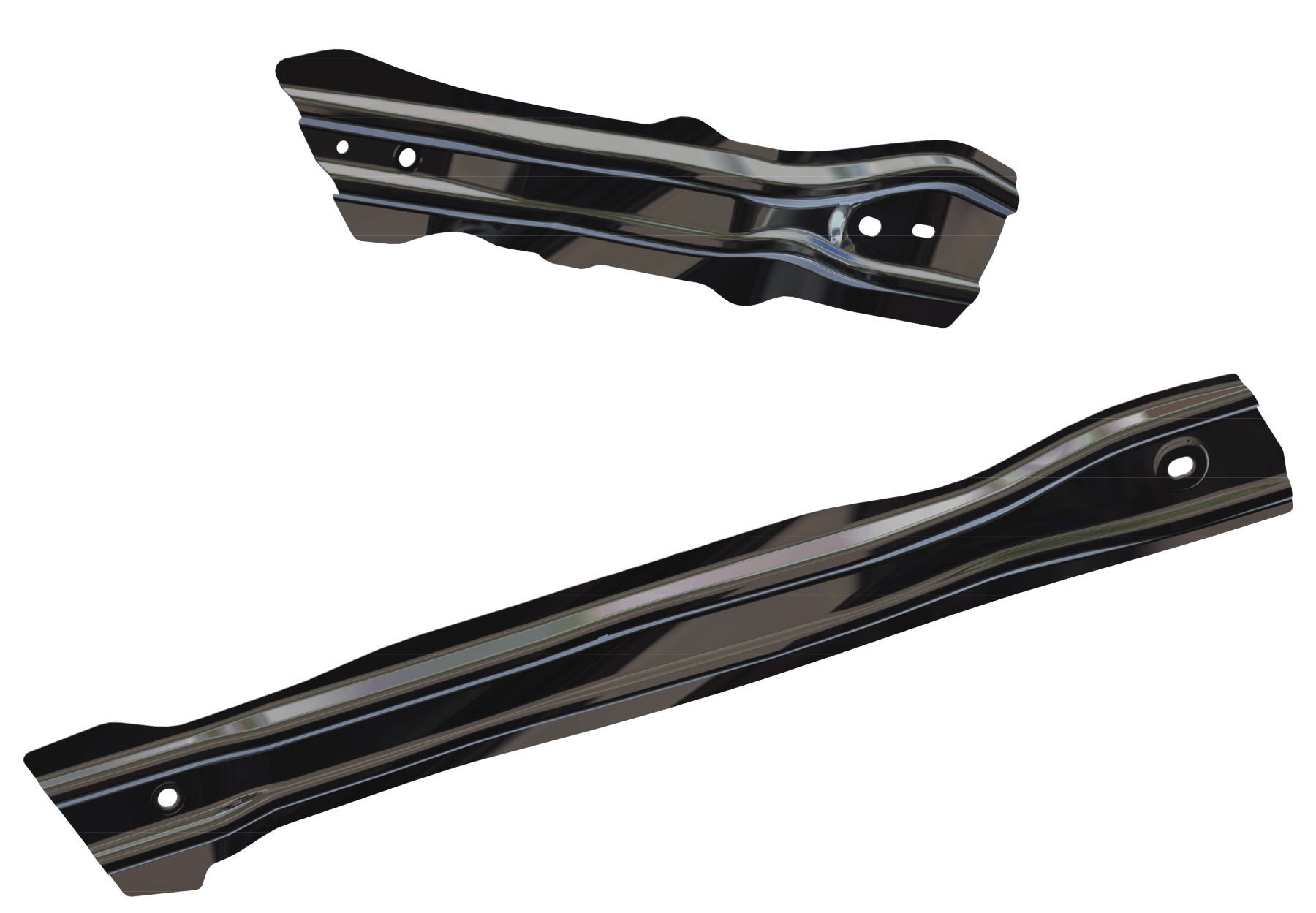
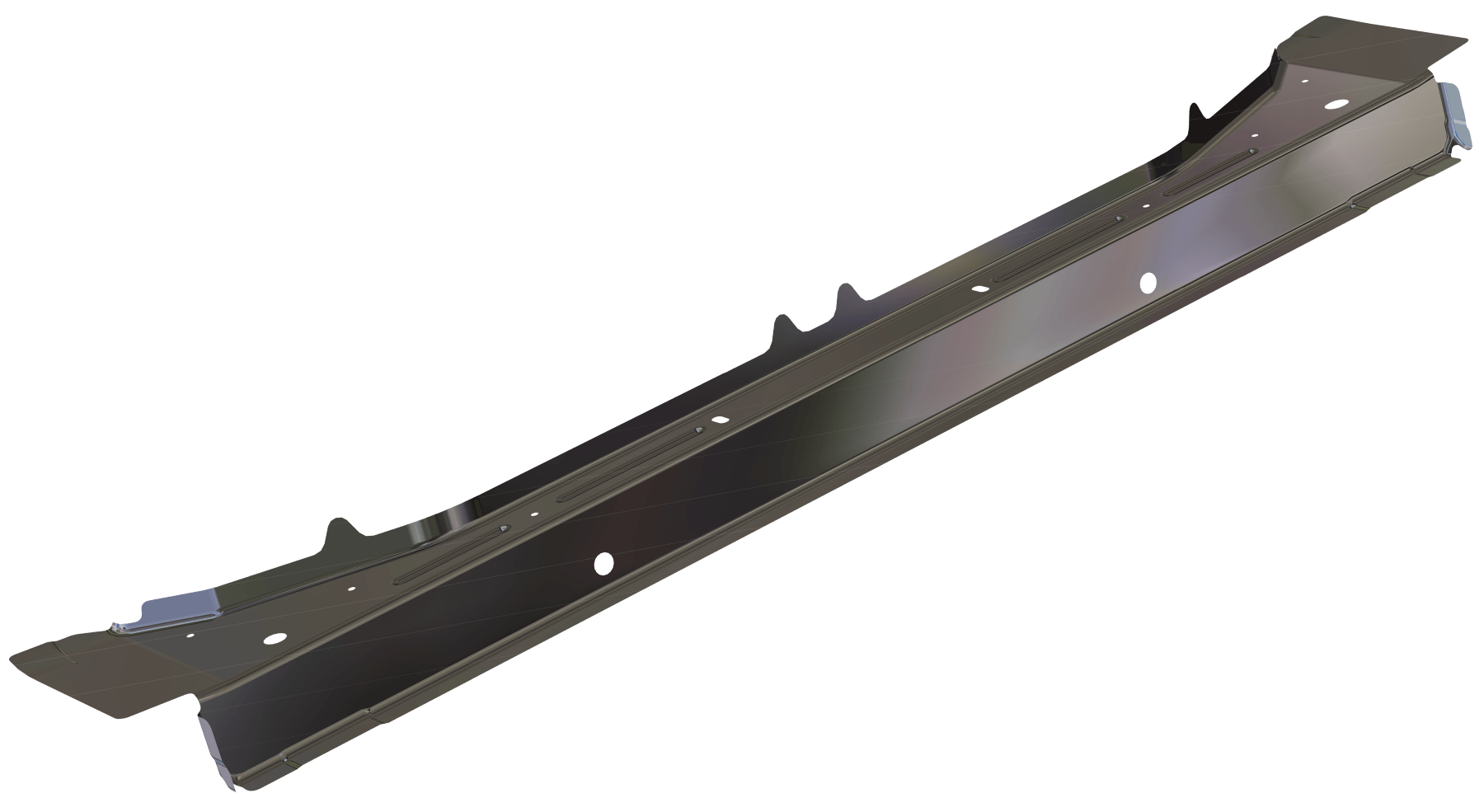
The roof frame is a key upper-body structural system in the vehicle’s body-in-white (BIW), forming the perimeter reinforcement around the roof opening. It includes multiple joined components such as the roof side rails, front header (windshield crossmember), rear header, and intermediate roof crossmembers, depending on vehicle design.
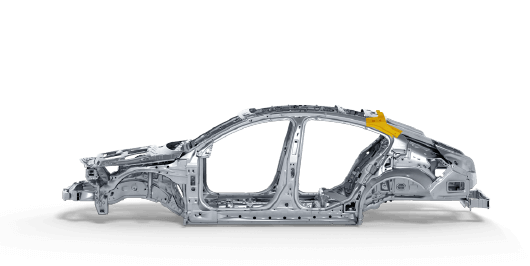
It serves several critical functions:
-
Roof crush protection: Provides structural integrity and load-bearing capacity for rollover scenarios, meeting global safety regulations for roof strength.
-
Global body stiffness: Enhances torsional and bending stiffness of the entire vehicle body by closing the upper structural loop.
-
Crash energy transfer: Distributes forces from impacts (frontal, side, or rollover) across the upper body structure and down into the pillars and side frames.
-
Mounting interface: Serves as the foundation for the attachment of the roof panel, headliner, curtain airbags, grab handles, and other interior components.
-
Sealing and NVH: Forms continuous sealing paths around the door apertures and roof opening, reducing wind noise, vibrations, and water ingress.
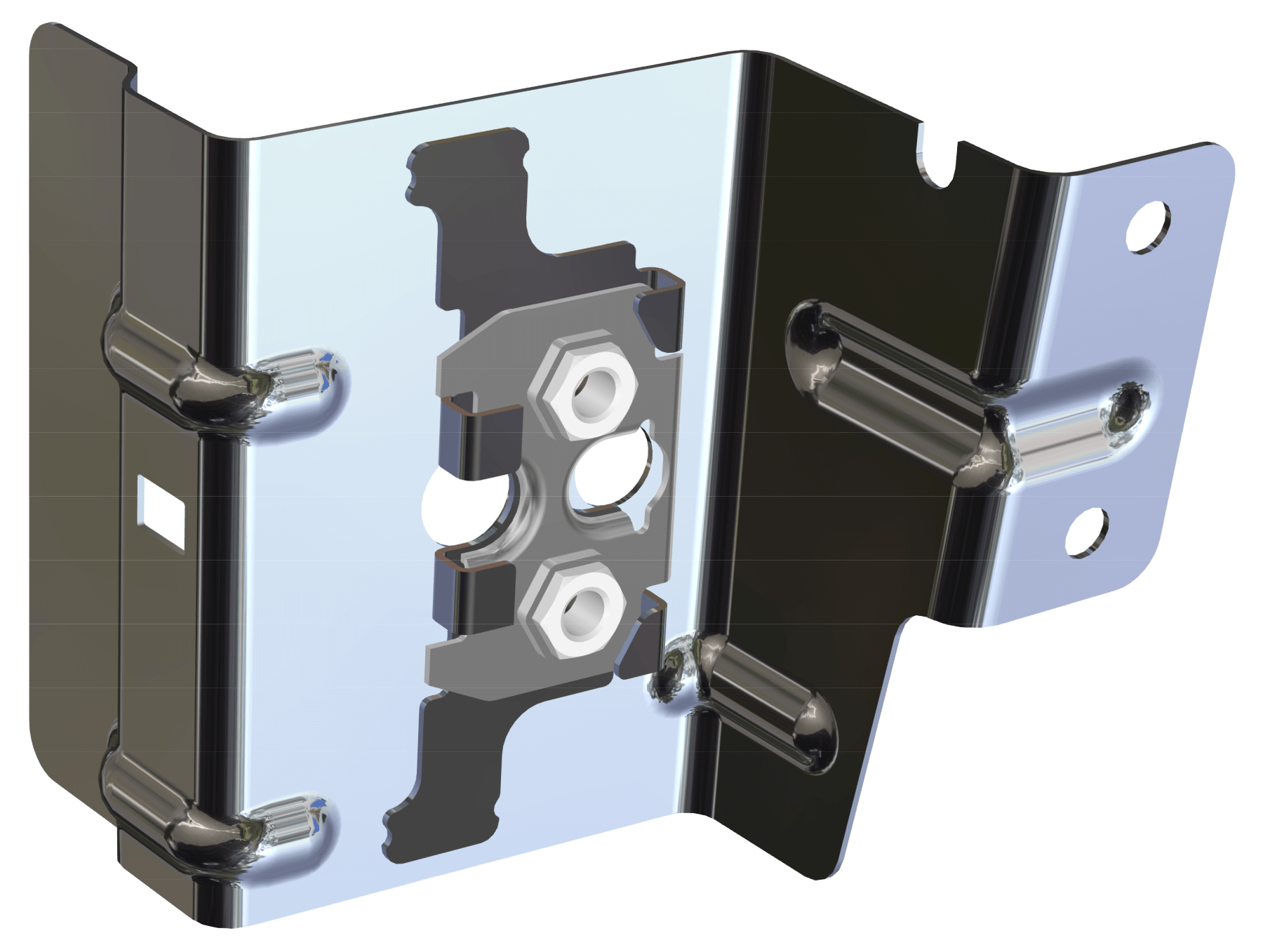
The roof frame is typically assembled from multiple high-strength steel stampings or roll-formed sections, joined using spot welding, laser welding, or adhesive bonding. In vehicles with panoramic roofs or sunroofs, the roof frame is locally reinforced to compensate for reduced roof panel stiffness.
This component
is manufactured and assembled
using technologies such as:

Hot Stamping

Laser Cutting
BODY IN WHITE
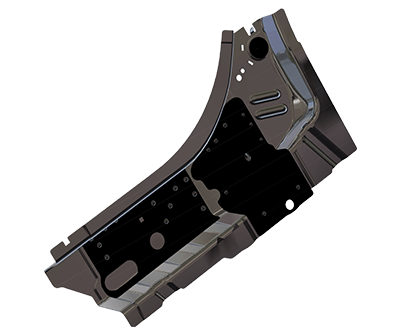
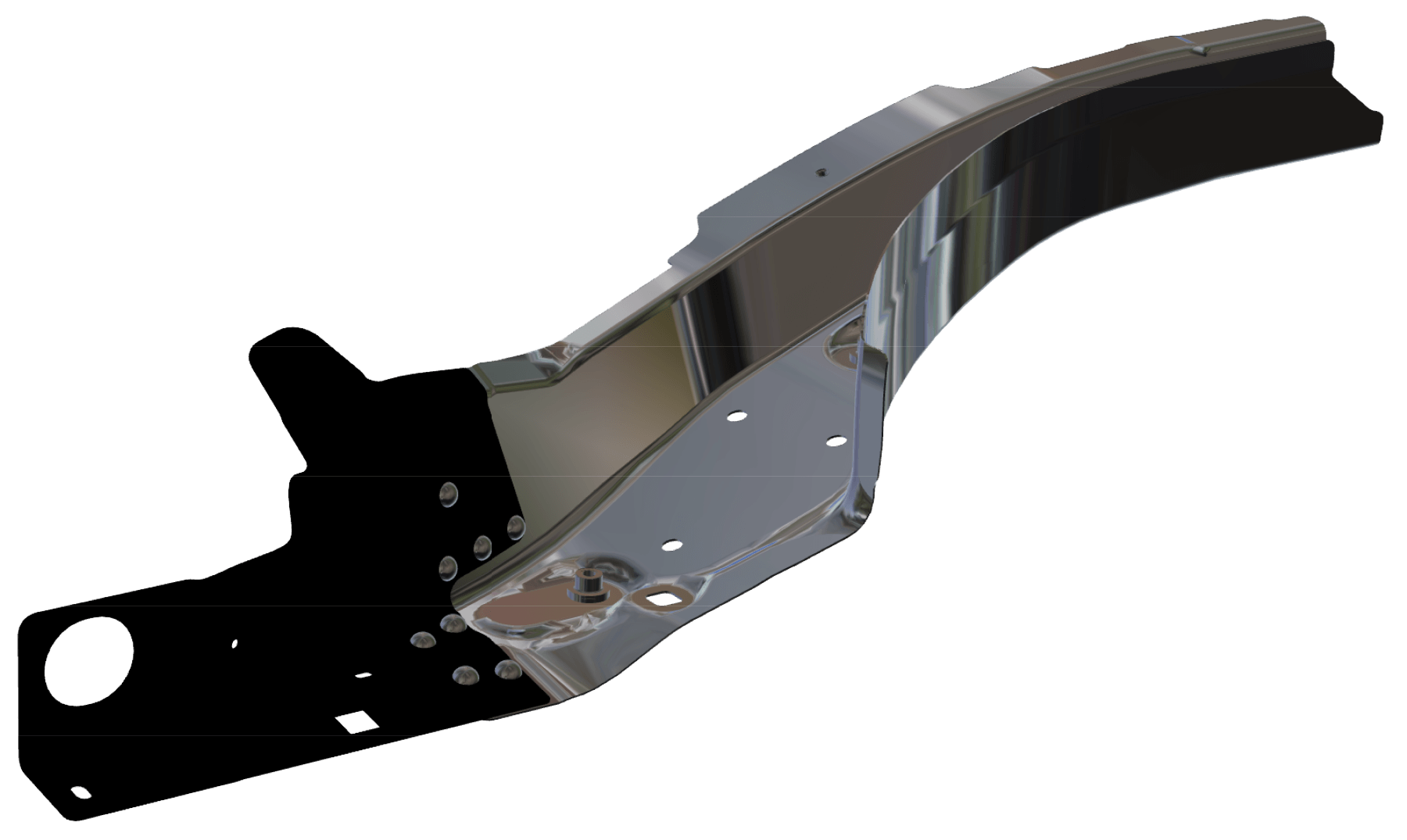
Body in White (BIW) is the stage in automotive manufacturing where the vehicle’s sheet metal structure (body) is fully assembled.
BIW includes the main structural and outer body components such as:
floor pan, roof, side panels, front and rear aprons, pillars (A, B, C), door frames, hood and trunk lid (if pre-assembled).
These components made and joined using technologies such as:
hot and cold forming, spot welding, laser cutting, MIG/MAG welding, laser welding, riveting, adhesive bonding.
The BIW structure ensures vehicle stifness, crash safety, dimensional accuracy, and provides the base for further assembly and surface finishing processes.