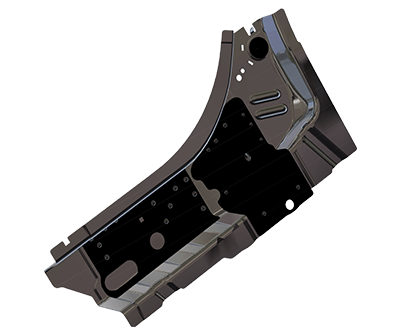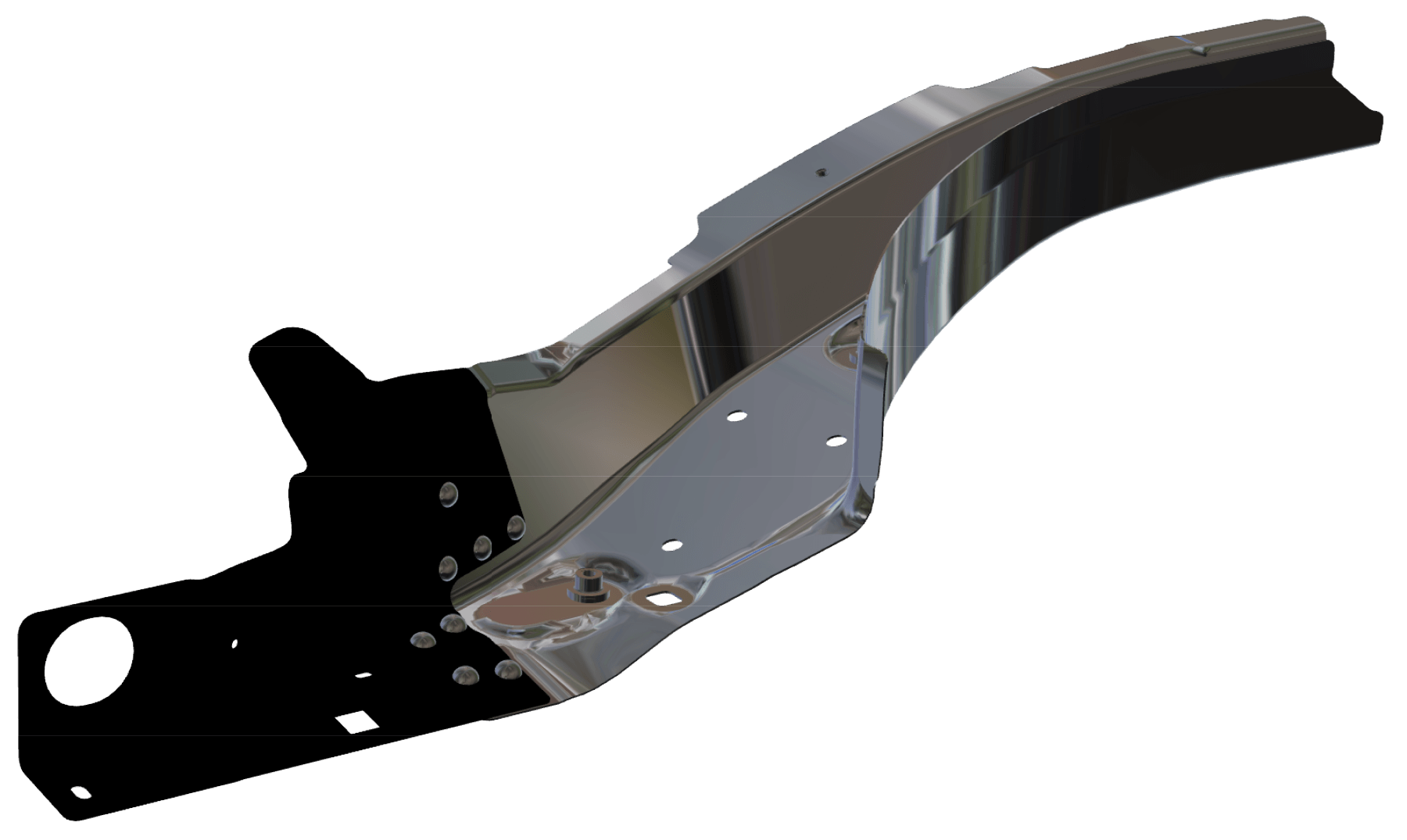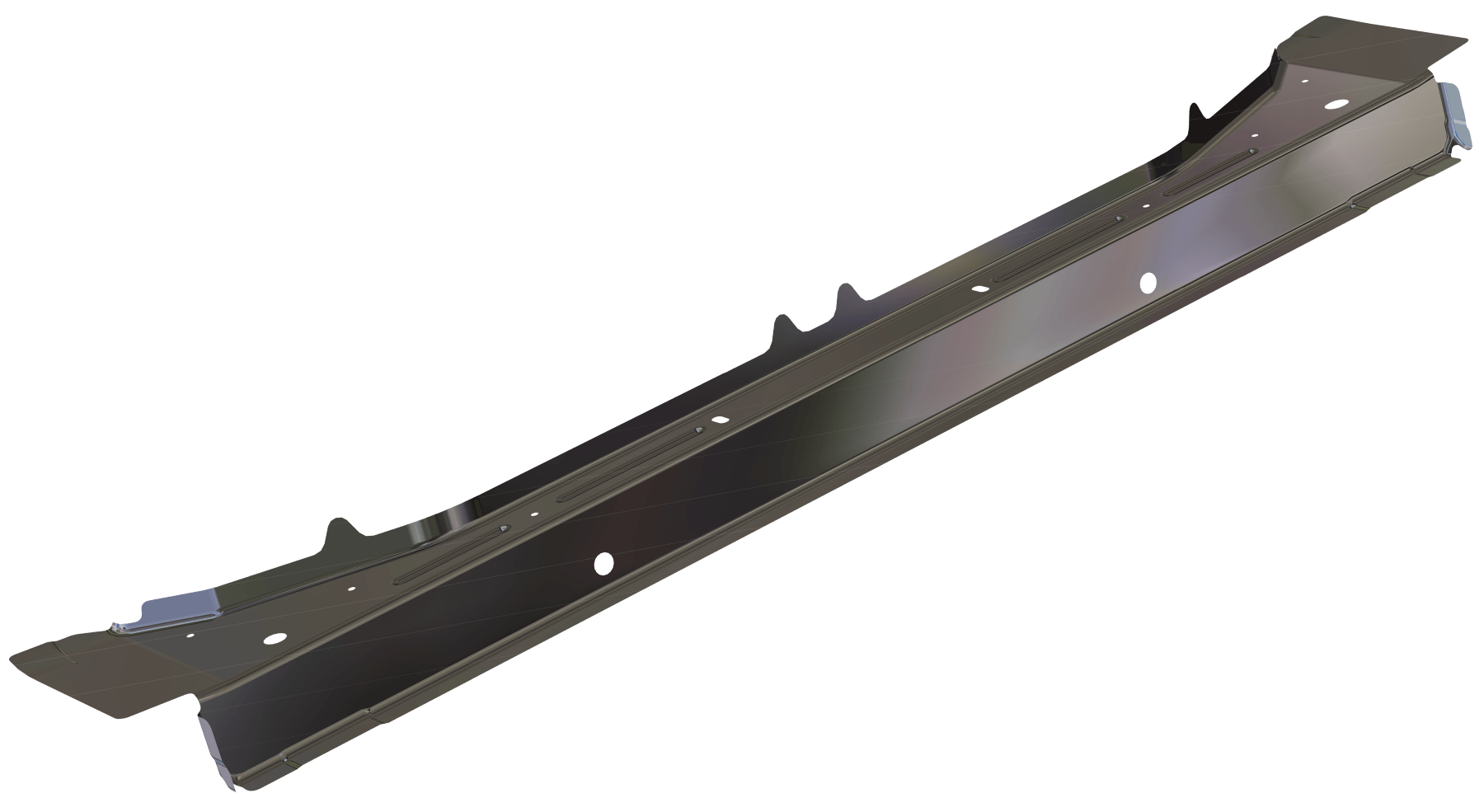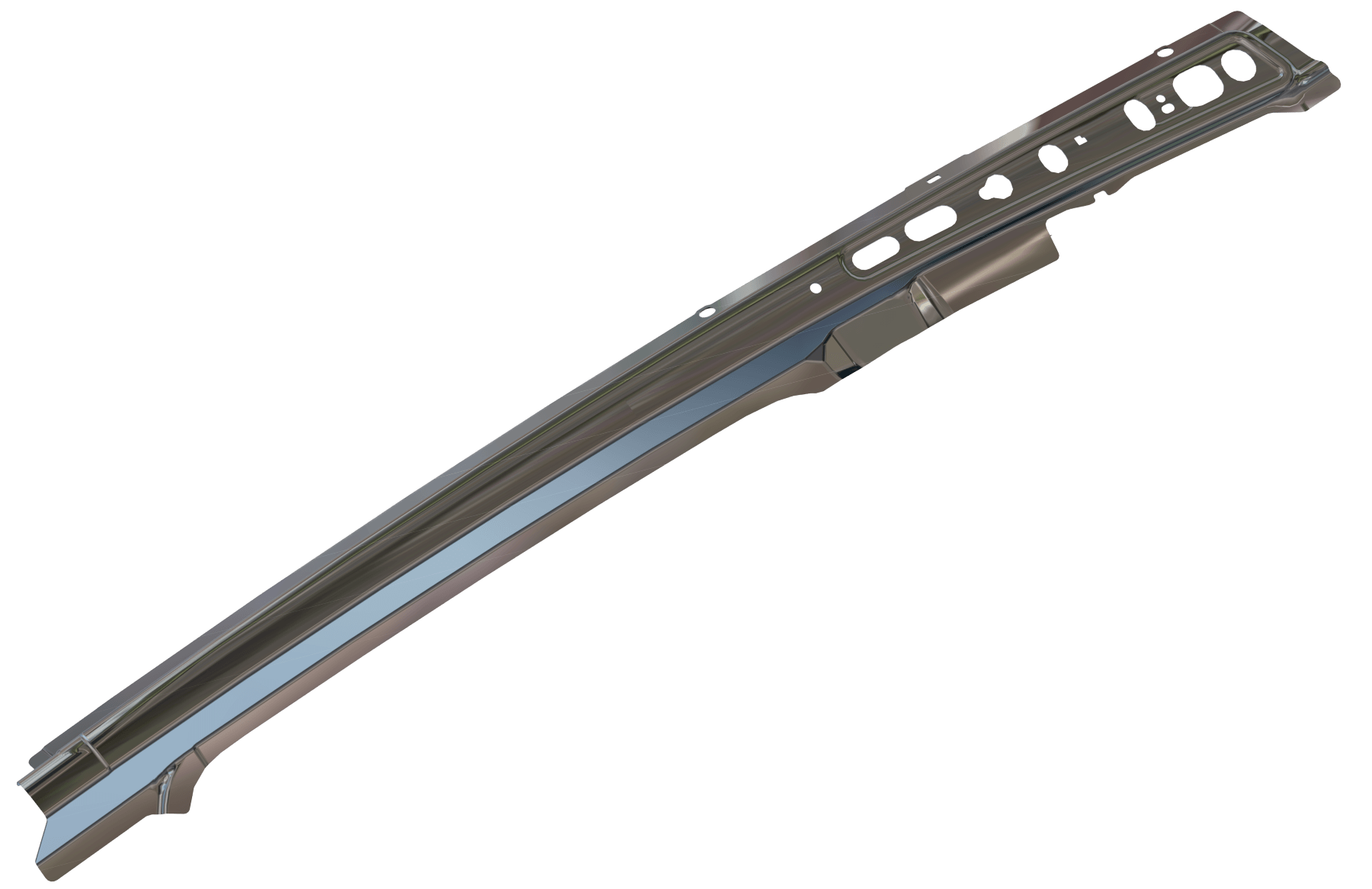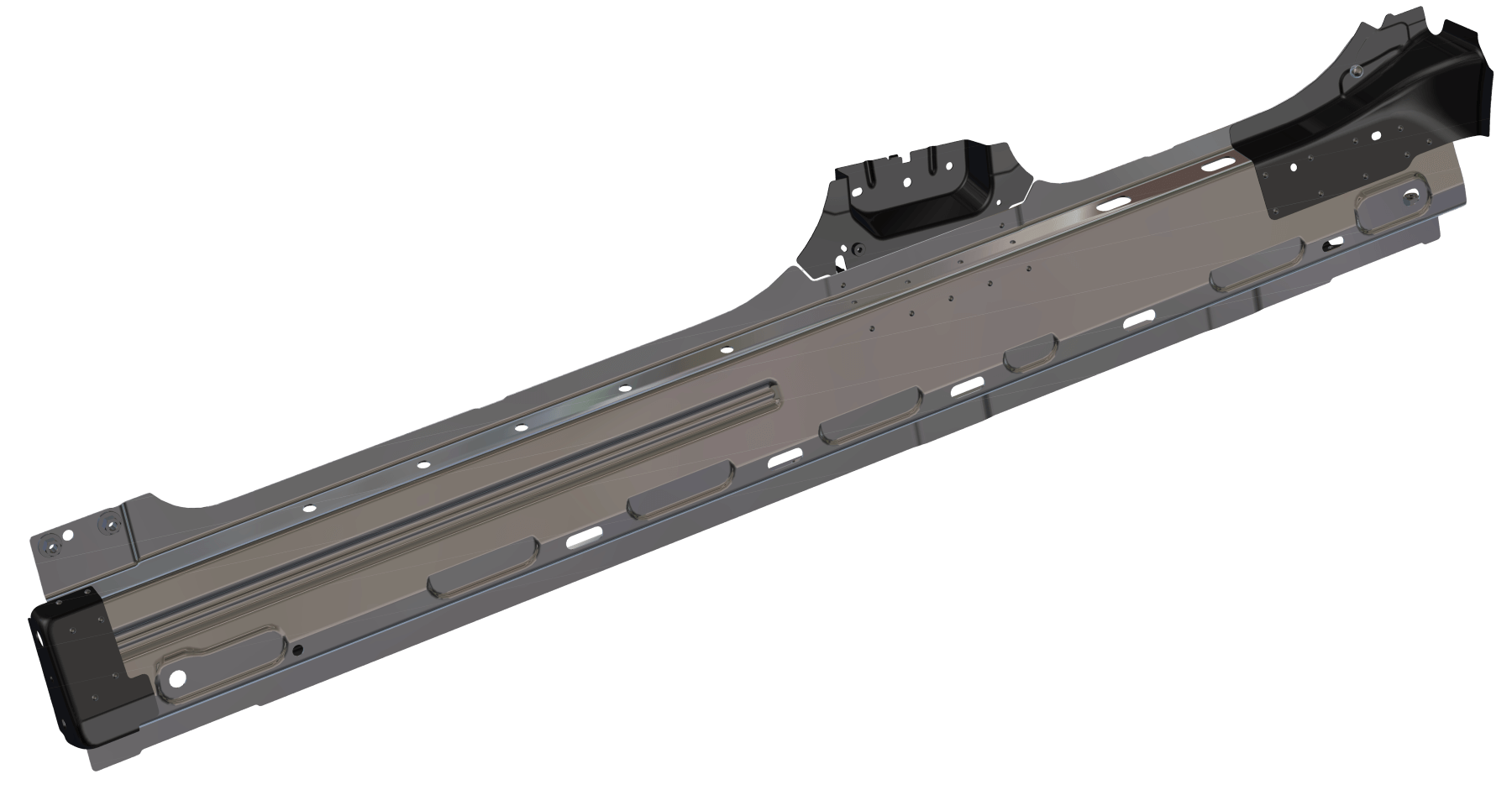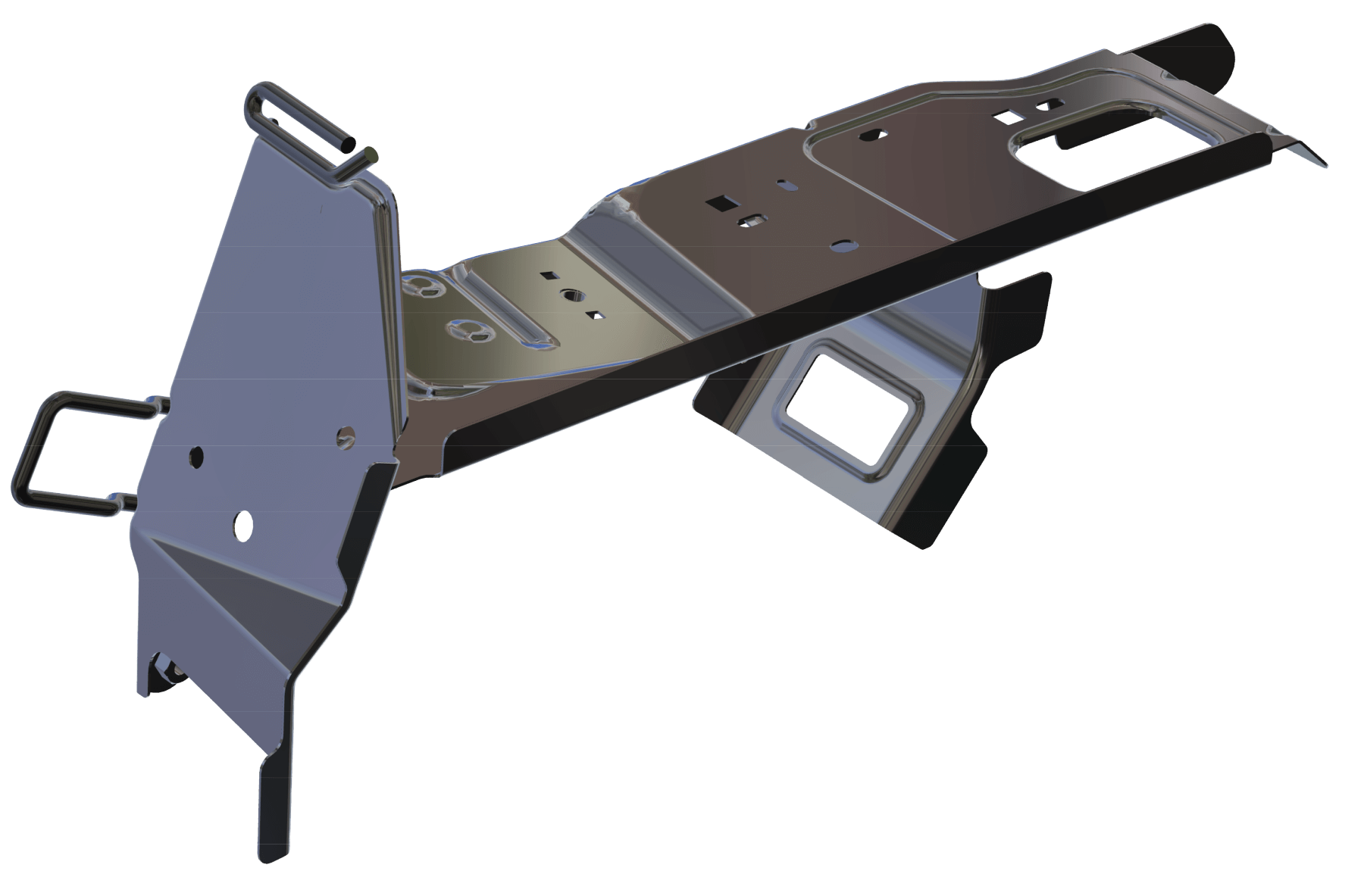



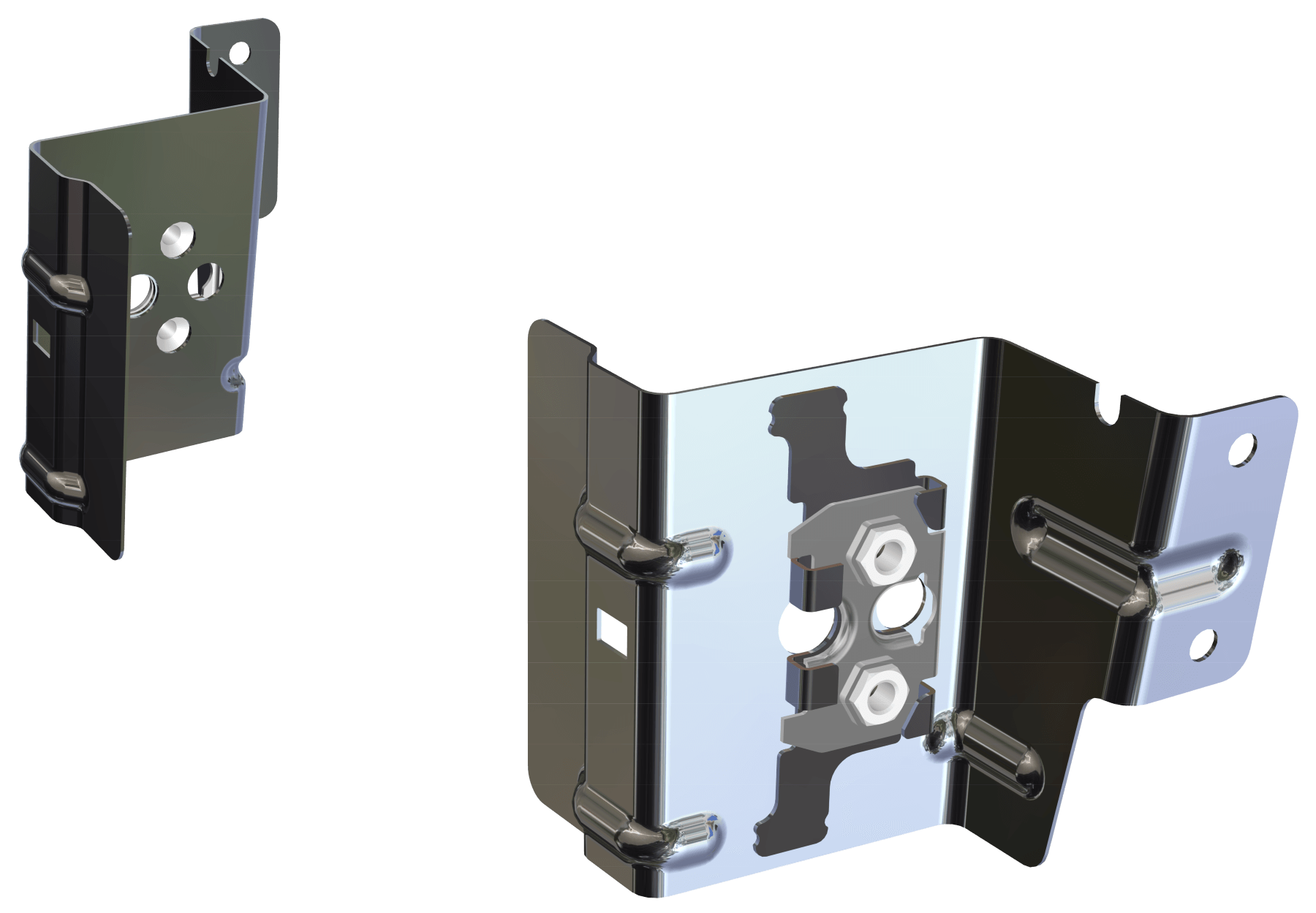
DOOR FIXING
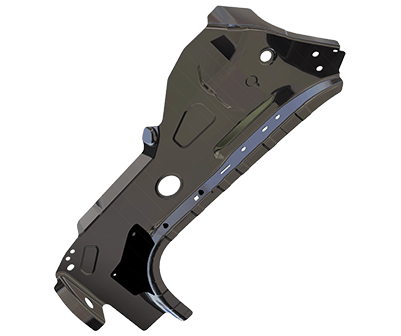
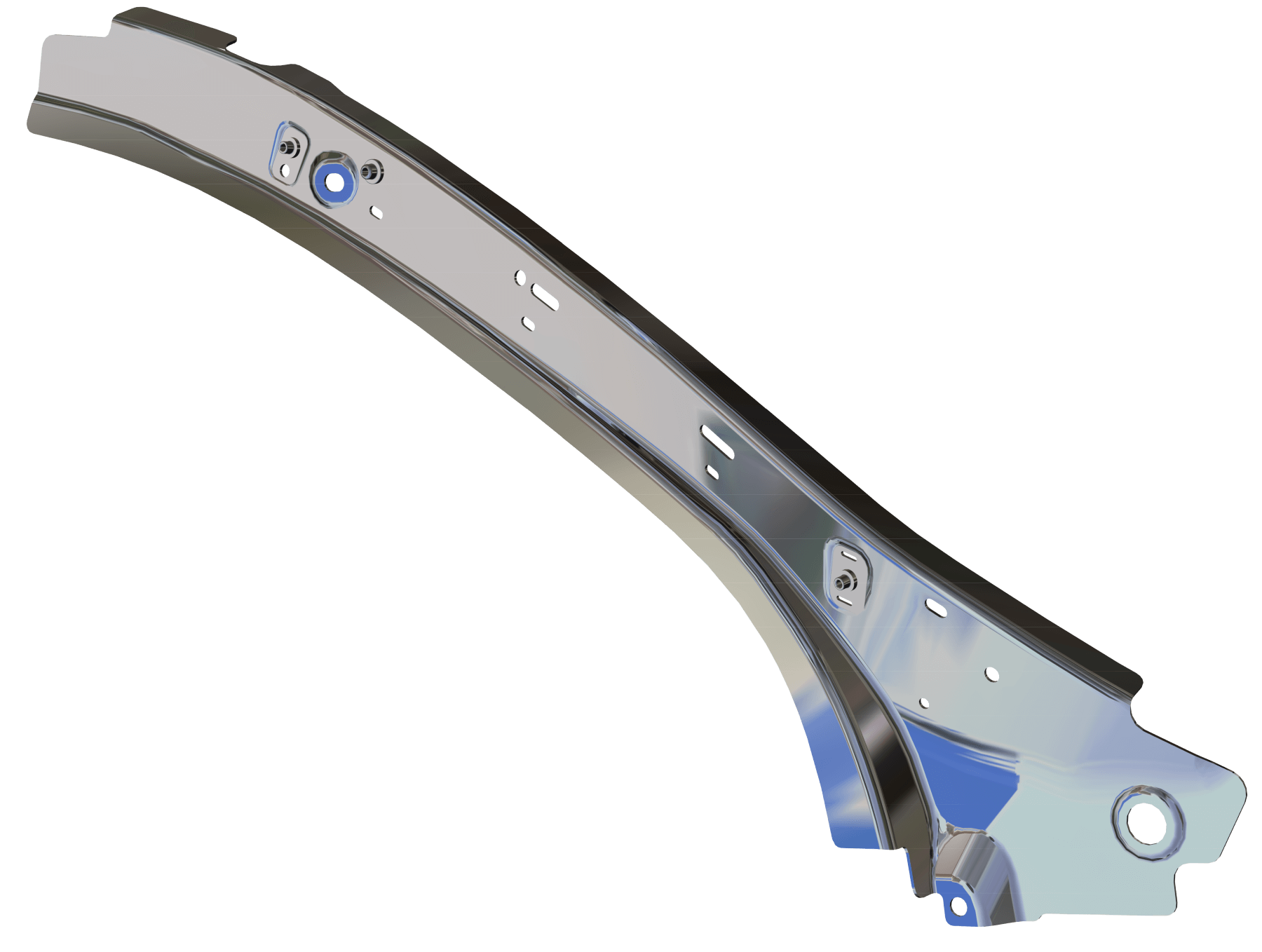
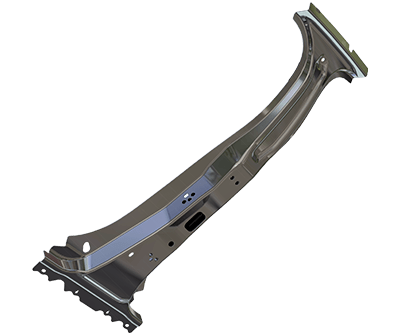
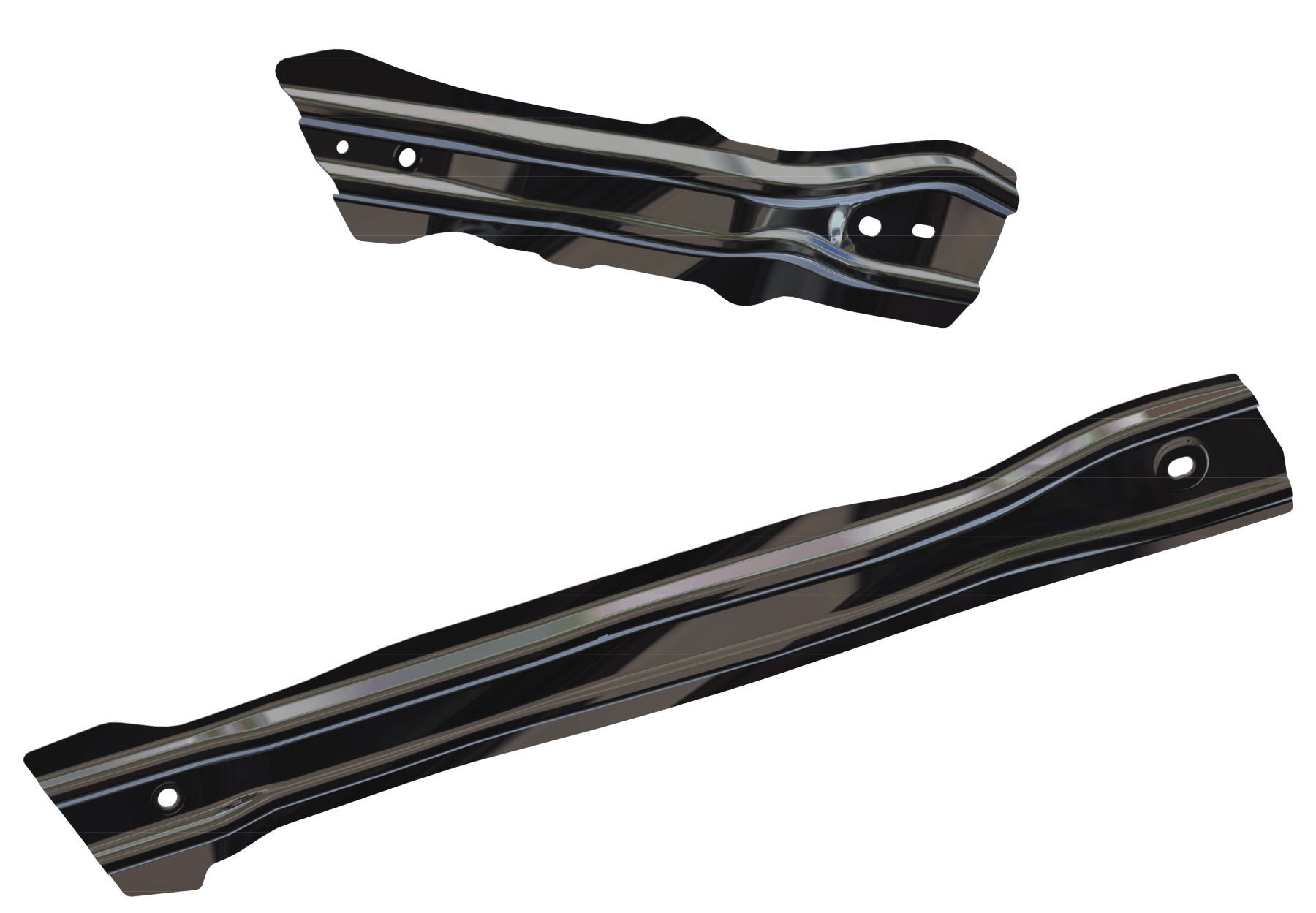
The door fixing is a steel structural bracket or reinforcement element in the vehicle’s body-in-white (BIW), designed to provide a secure and dimensionally accurate interface for mounting the vehicle door to the body structure—typically at the hinge or latch zones.
It serves several critical functions:
-
Load-bearing function: Transfers static and dynamic loads from the door (weight, closing forces, aerodynamic loads) into the surrounding body structure.
-
Hinge and latch interface: Provides a robust and precisely located surface for bolting or welding door hinges or striker plates, ensuring correct door alignment and operation.
-
Crash performance: Contributes to side-impact performance by reinforcing high-load areas and improving energy transfer during collisions.
-
Assembly accuracy: Ensures repeatable fit and flushness of the door during final assembly through tight tolerances and controlled geometry.
-
Corrosion and fatigue resistance: Designed to withstand repeated load cycles and environmental exposure, often with protective coatings or sealing flanges.
The door fixing component is typically manufactured from high-strength steel through cold stamping. It is joined to adjacent BIW structures—such as A-pillars, B-pillars, or side inners—using spot welding or MIG/MAG welding. Depending on vehicle architecture, it may include captive nuts, reinforcement plates, or embossed geometry to enhance strength and facilitate assembly.
This component
is manufactured and assembled
using technologies such as:

Cold Stamping

Spot welding

Arc (MAG) welding

Projection welding
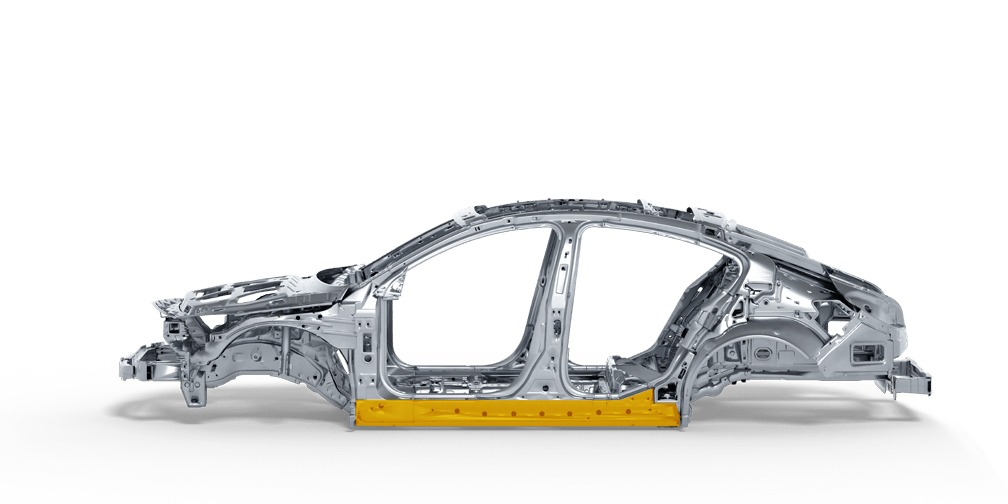
BODY IN WHITE
Body in White (BIW) is the stage in automotive manufacturing where the vehicle’s sheet metal structure (body) is fully assembled.
BIW includes the main structural and outer body components such as:
floor pan, roof, side panels, front and rear aprons, pillars (A, B, C), door frames, hood and trunk lid (if pre-assembled).
These components made and joined using technologies such as:
hot and cold forming, spot welding, laser cutting, MIG/MAG welding, laser welding, riveting, adhesive bonding.
The BIW structure ensures vehicle stifness, crash safety, dimensional accuracy, and provides the base for further assembly and surface finishing processes.