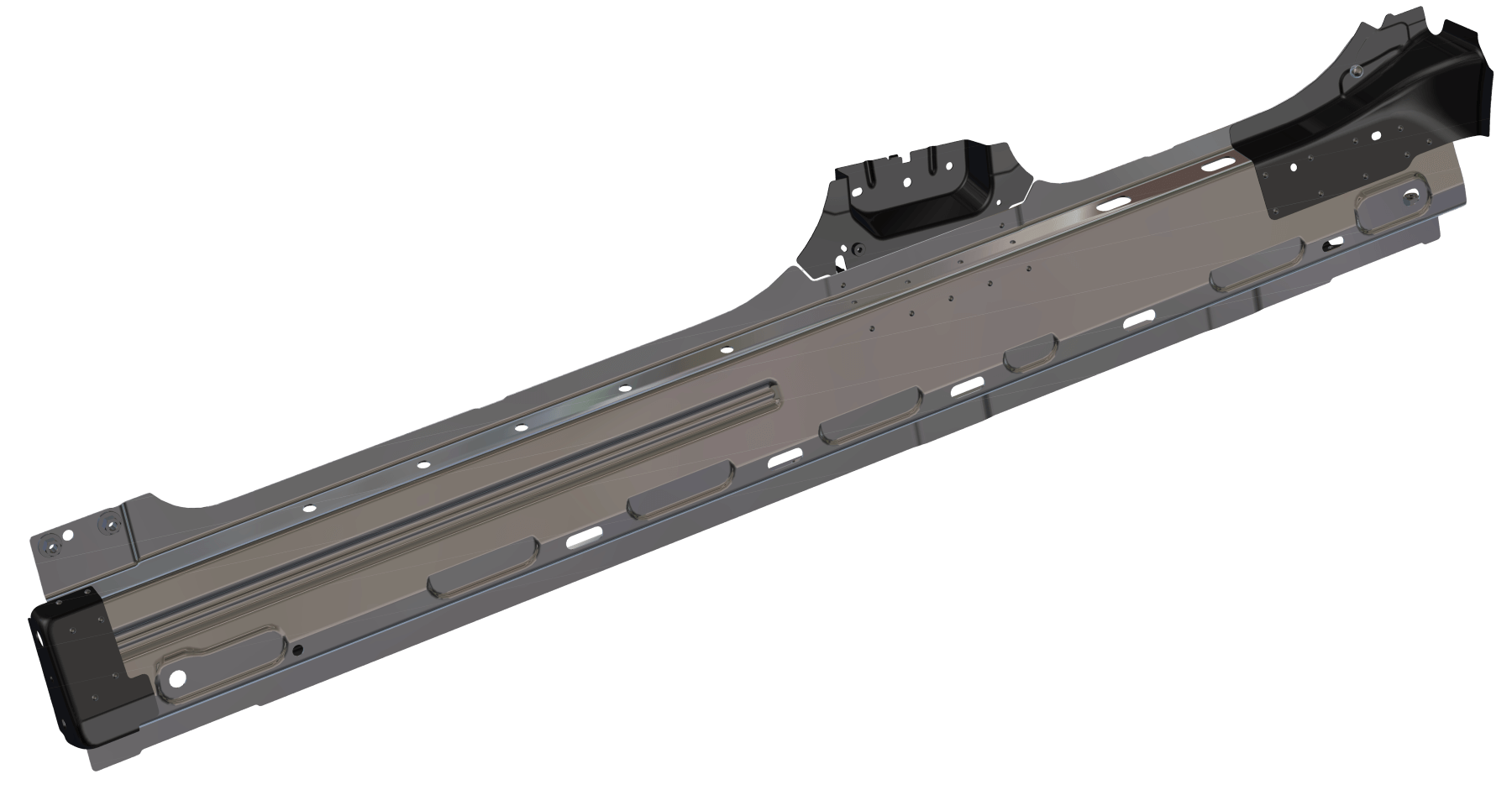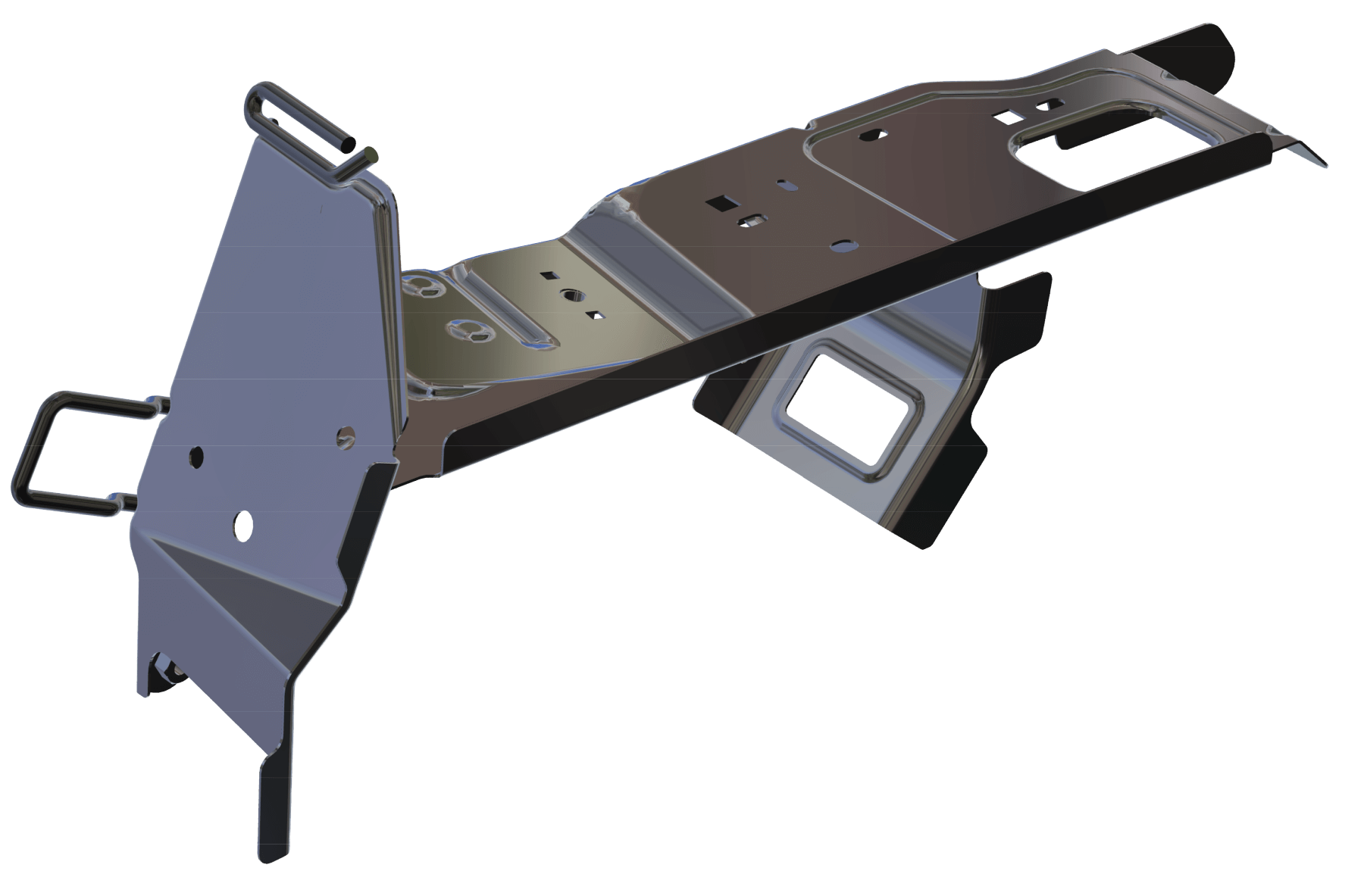



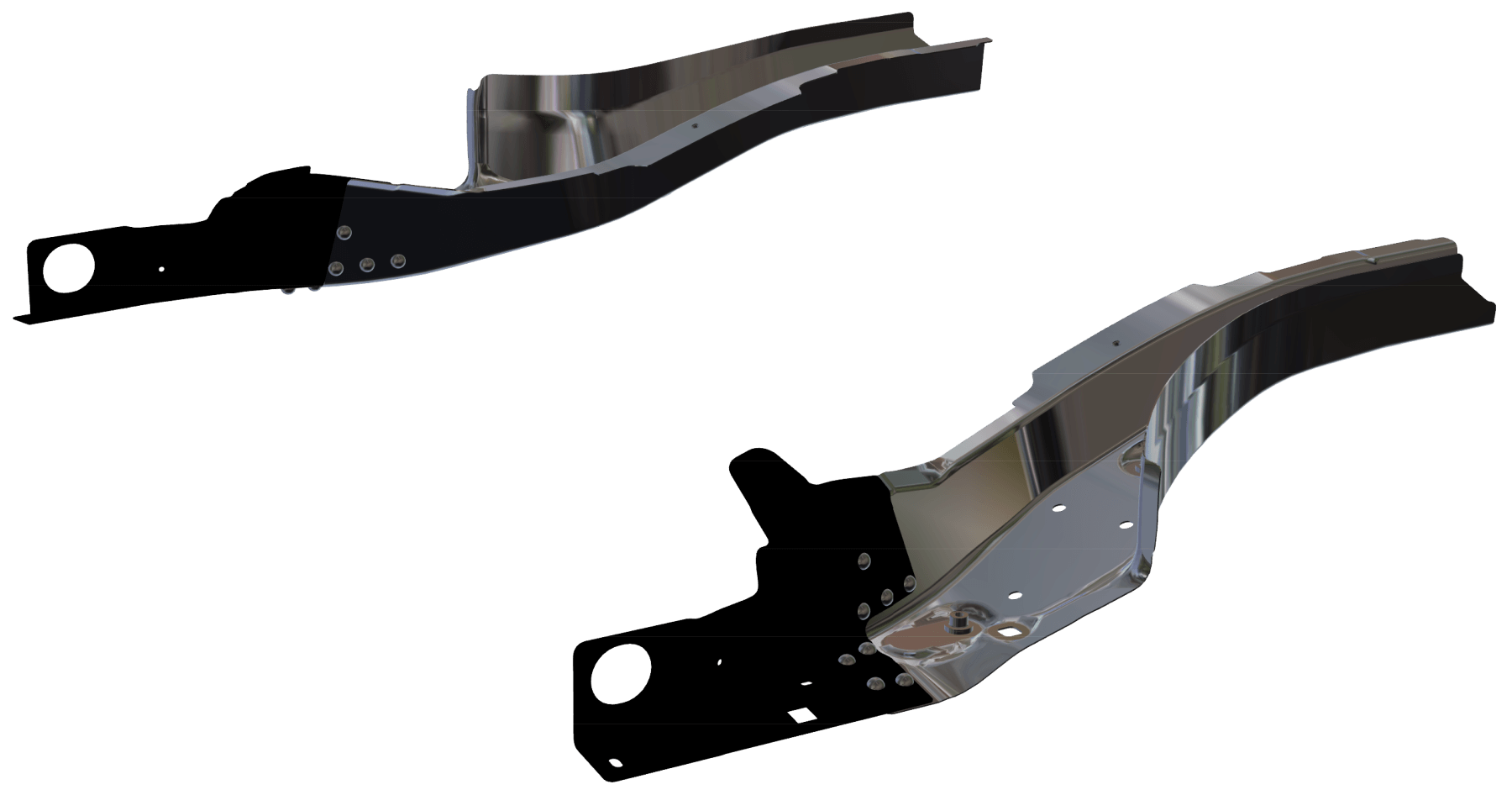
LONGERON ASSY
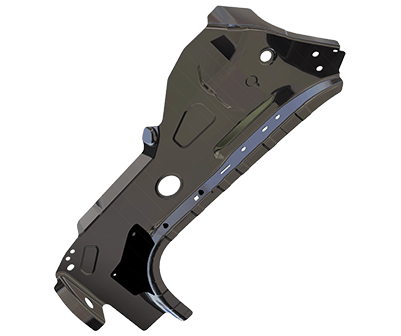
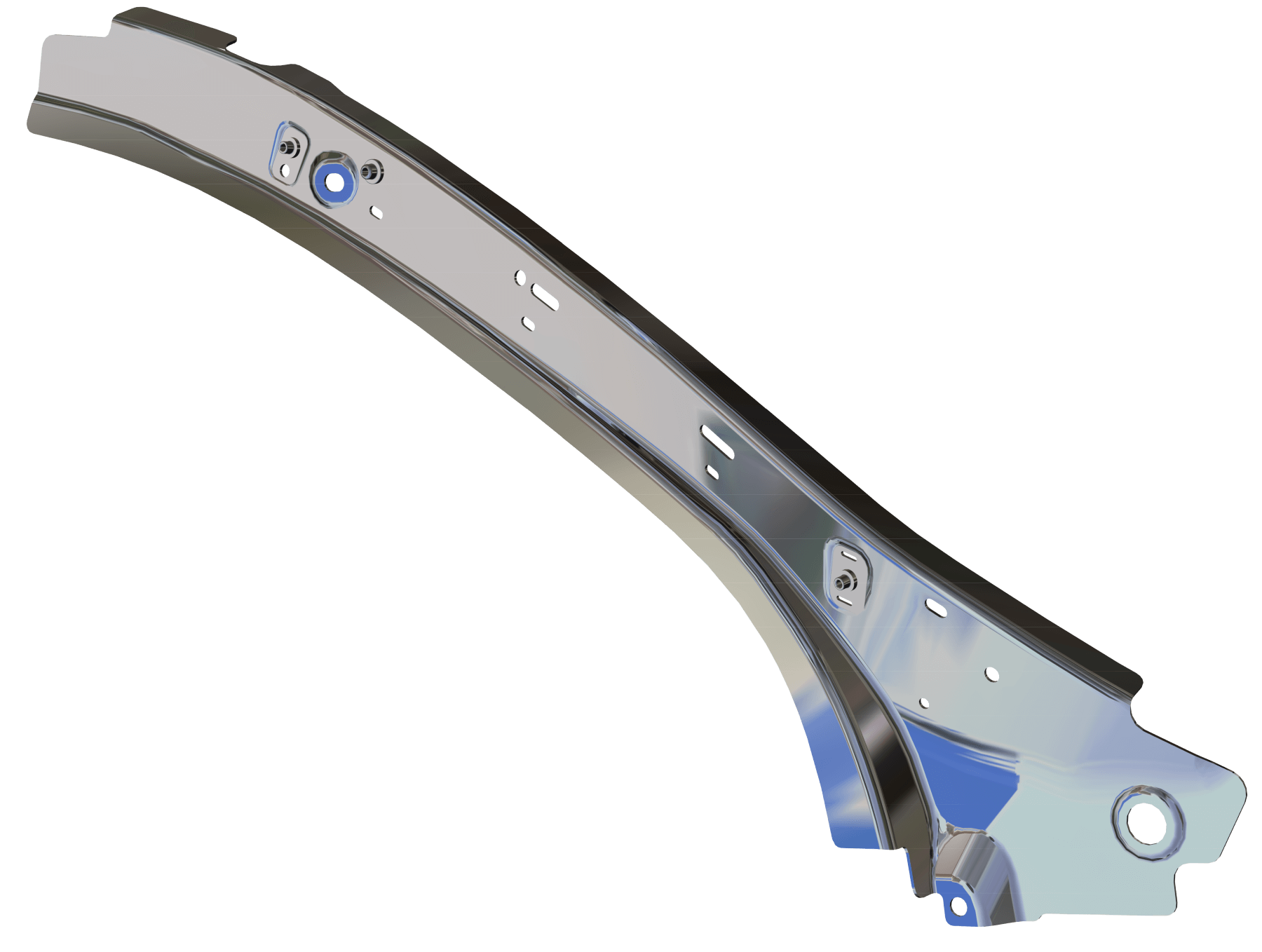
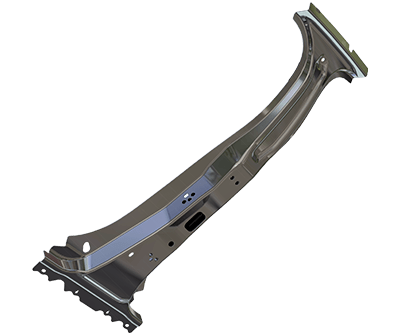
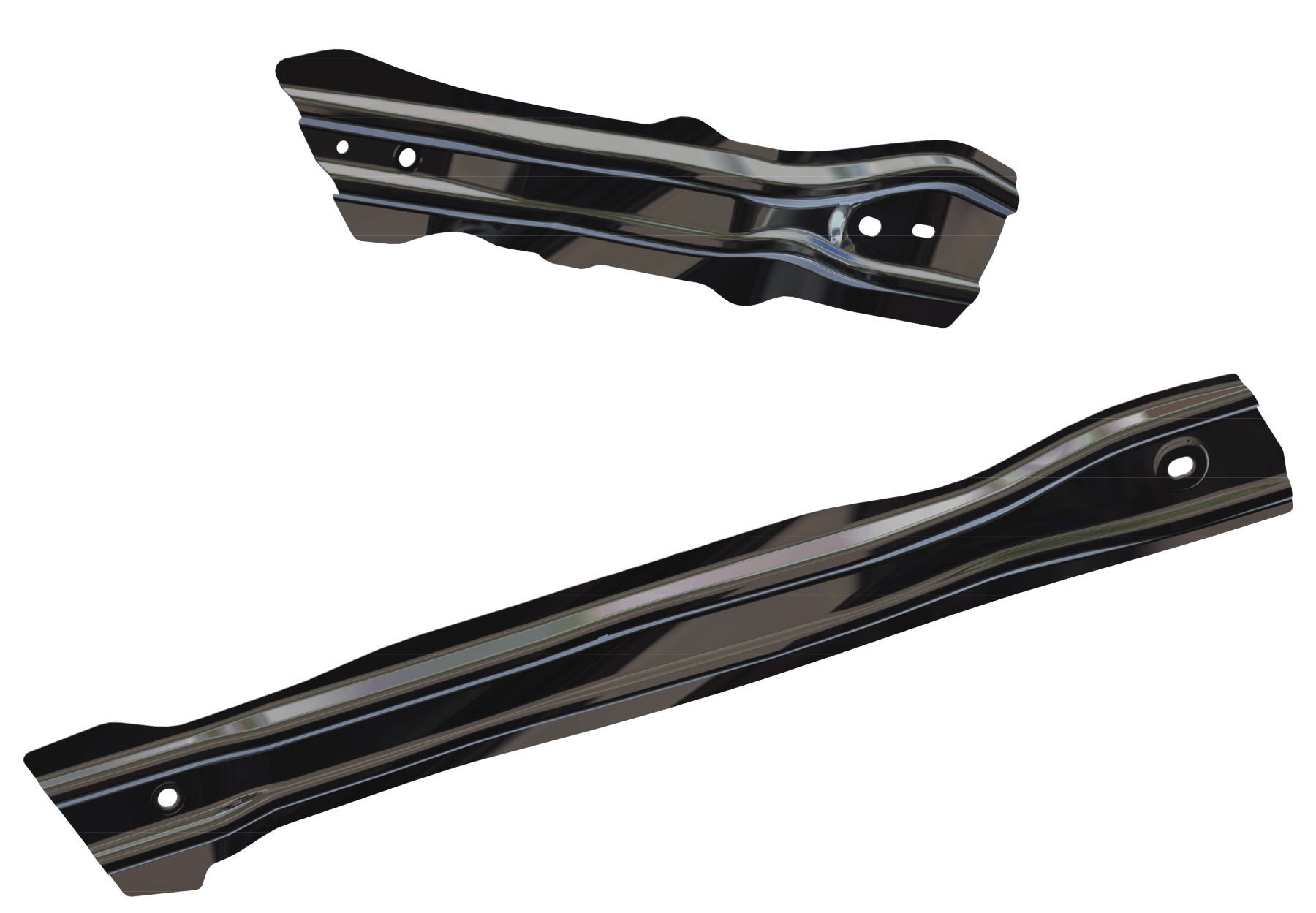
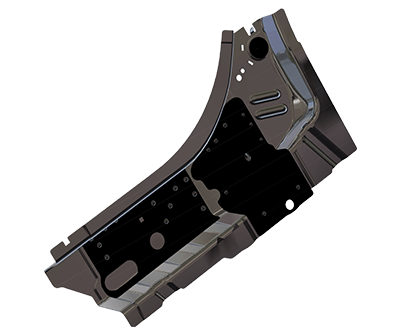
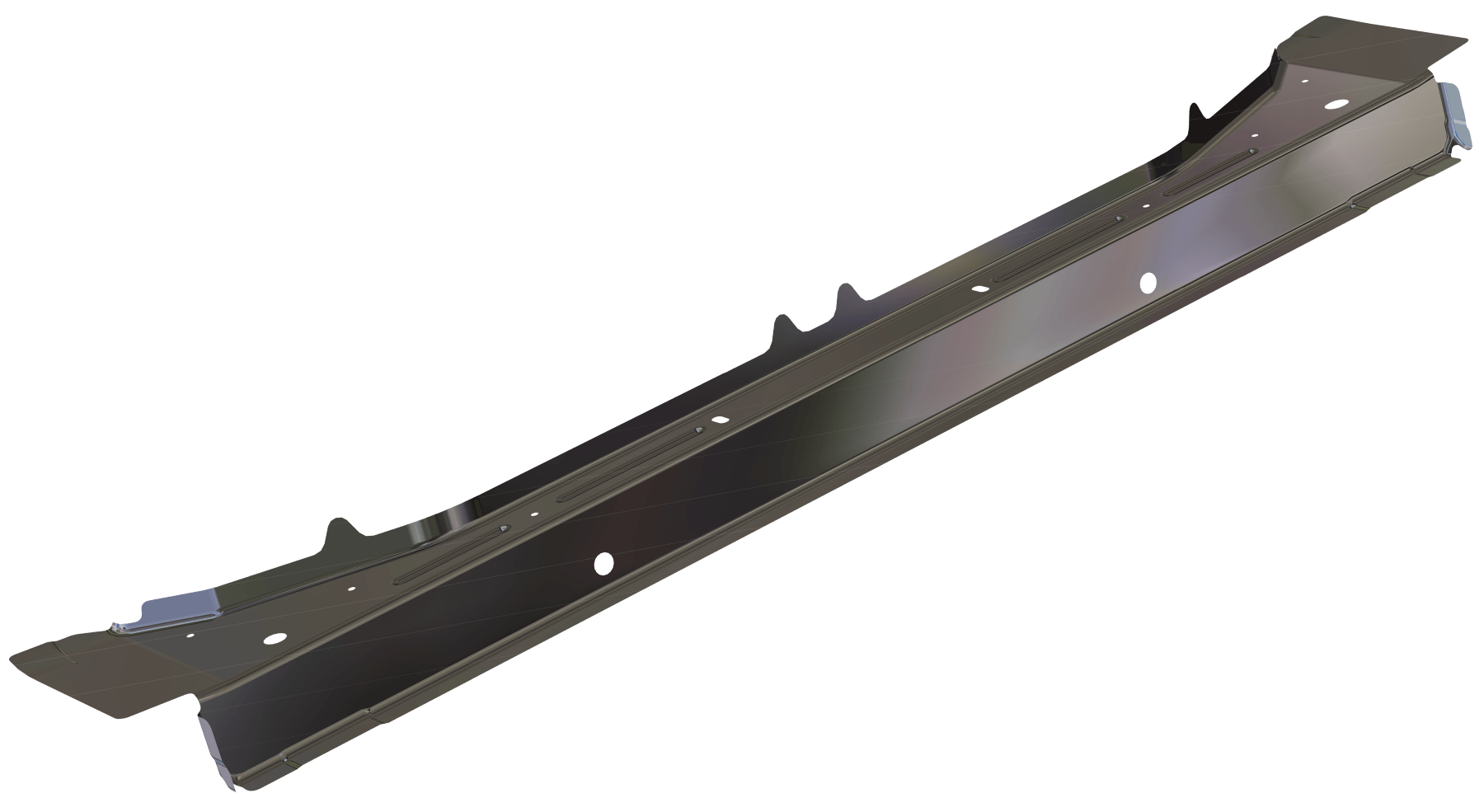
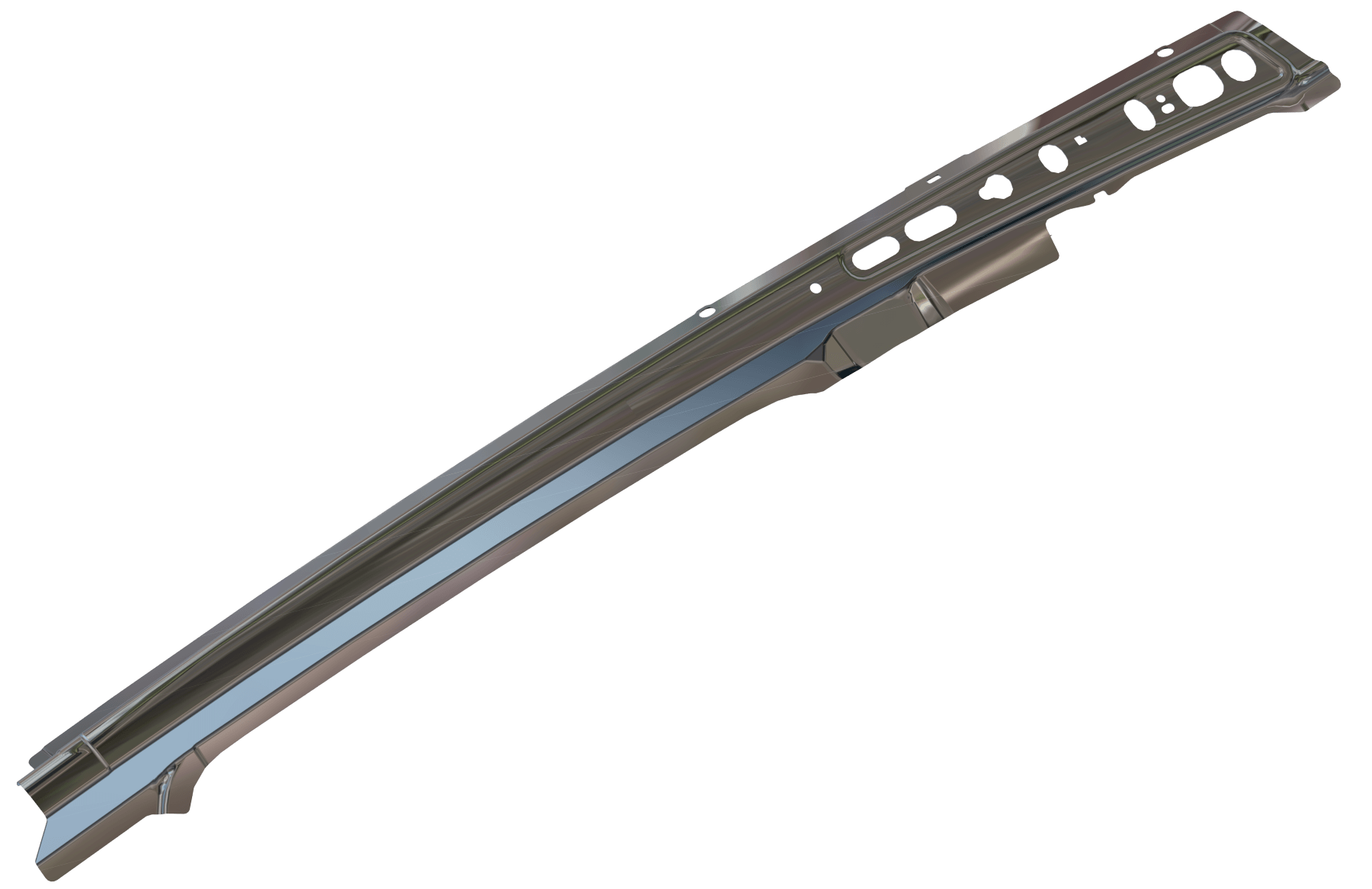
The longeron assembly (longitudinal member) is a key load-bearing component of the vehicle's body-in-white (BIW), typically extending along the front or rear underside of the car, aligned longitudinally from the bumper area toward the passenger zone.
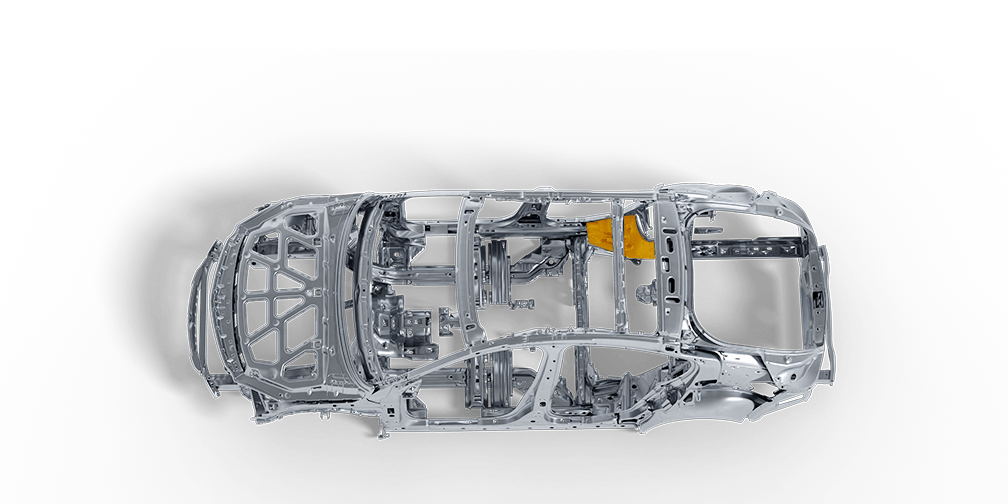
It serves several critical functions:
-
Crash energy management: It plays a vital role in absorbing and dissipating energy during frontal or rear collisions.
-
Structural integrity: It provides primary longitudinal stiffness and forms a core part of the vehicle’s crash structure.
-
Suspension support: It works as a mounting base for suspension components, including control arms or subframes.
-
Powertrain integration: It may support drivetrain components such as the engine cradle, transmission mounts, or exhaust routing.
-
Towing and impact zones: It often integrates with crash boxes, towing eyes, and bumper beam structures.
The longeron assembly is in most cases made from high-strength steel or aluminum and is manufactured using stamping, hydroforming, or extrusion techniques, often reinforced with localized stiffeners or crush initiators.
This component
is manufactured and assembled
using technologies such as:

Hot Stamping

Laser Cutting

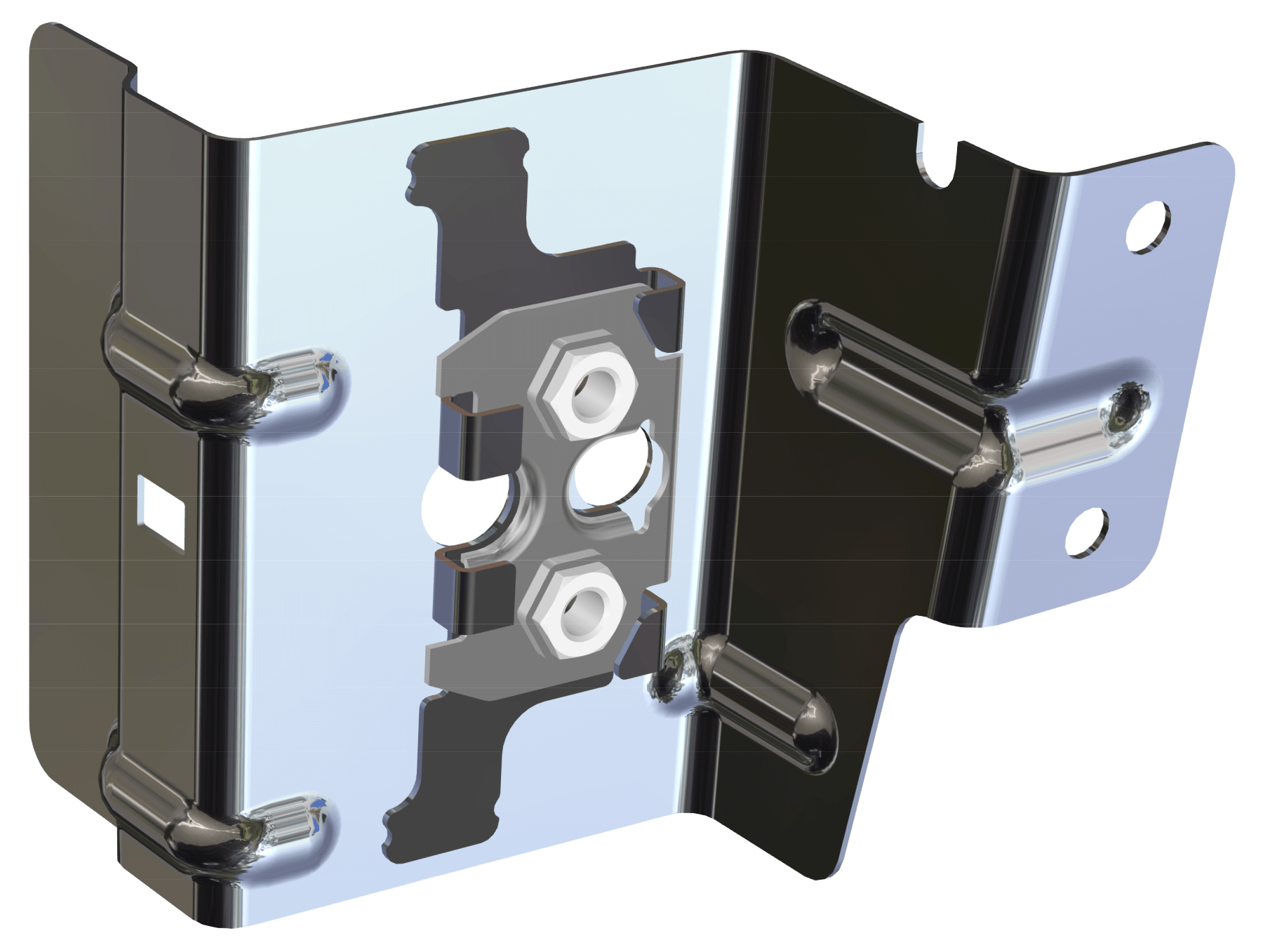
Projection welding

Spot welding
BODY IN WHITE
Body in White (BIW) is the stage in automotive manufacturing where the vehicle’s sheet metal structure (body) is fully assembled.
BIW includes the main structural and outer body components such as:
floor pan, roof, side panels, front and rear aprons, pillars (A, B, C), door frames, hood and trunk lid (if pre-assembled).
These components made and joined using technologies such as:
hot and cold forming, spot welding, laser cutting, MIG/MAG welding, laser welding, riveting, adhesive bonding.
The BIW structure ensures vehicle stifness, crash safety, dimensional accuracy, and provides the base for further assembly and surface finishing processes.