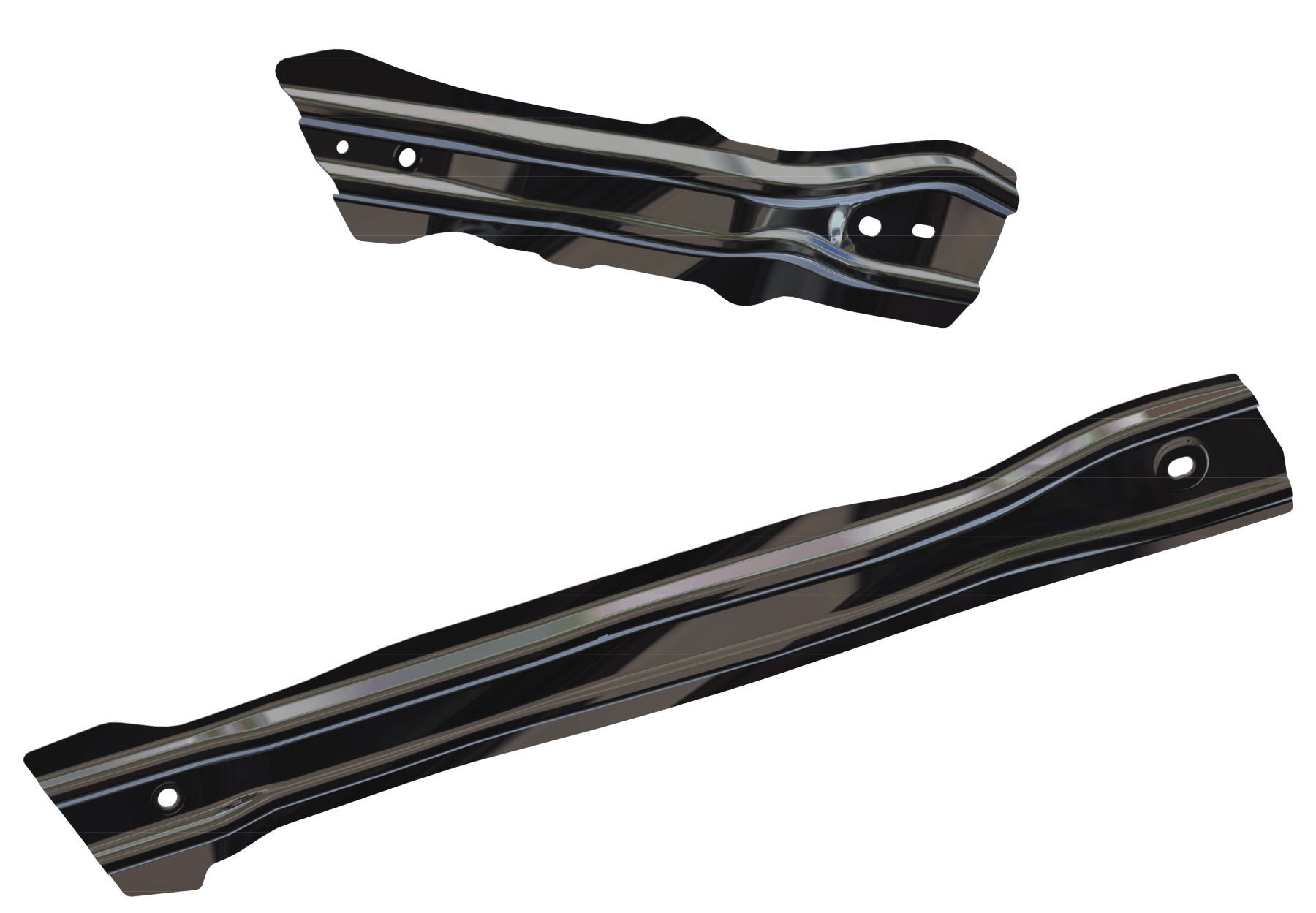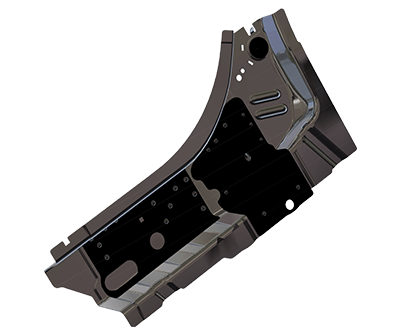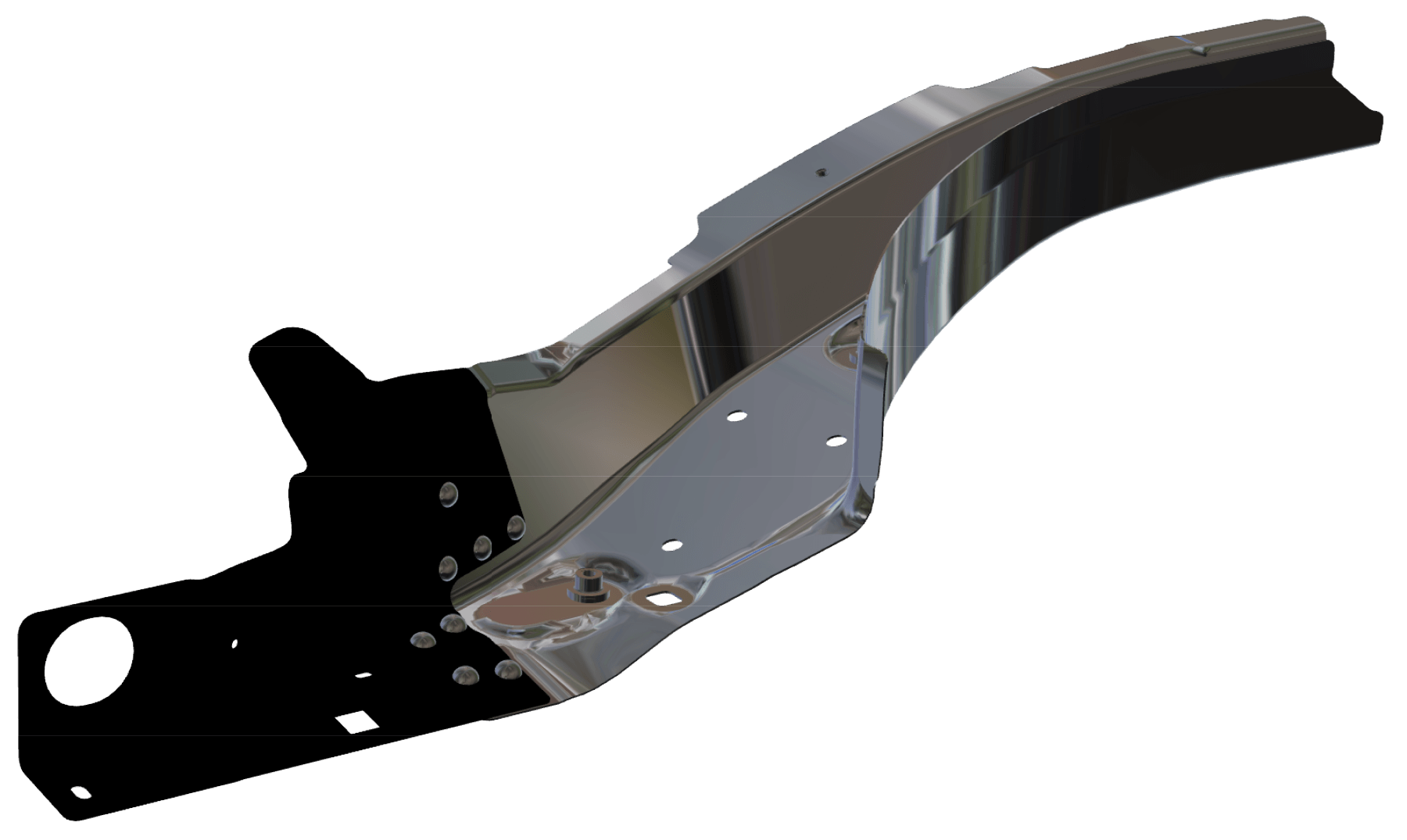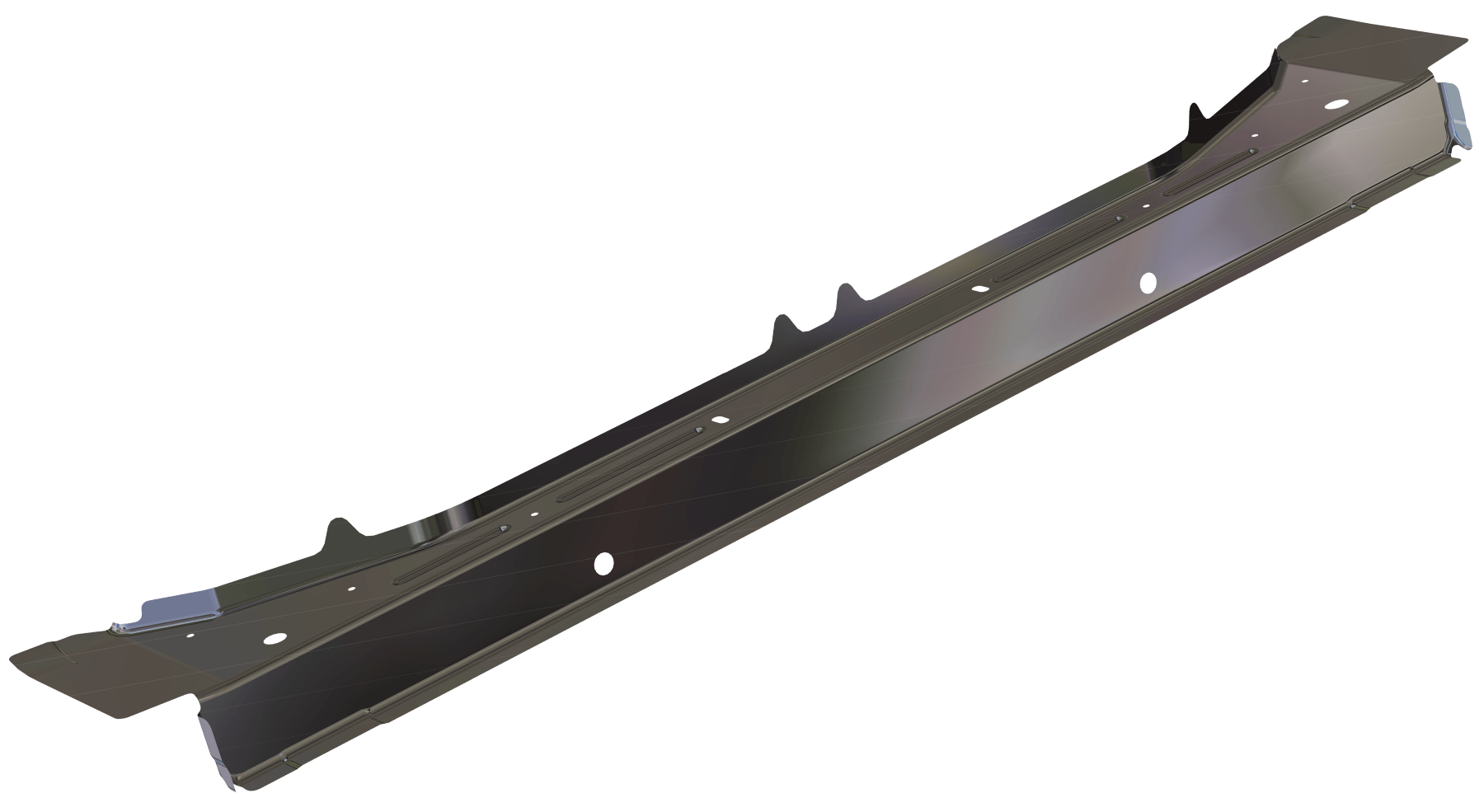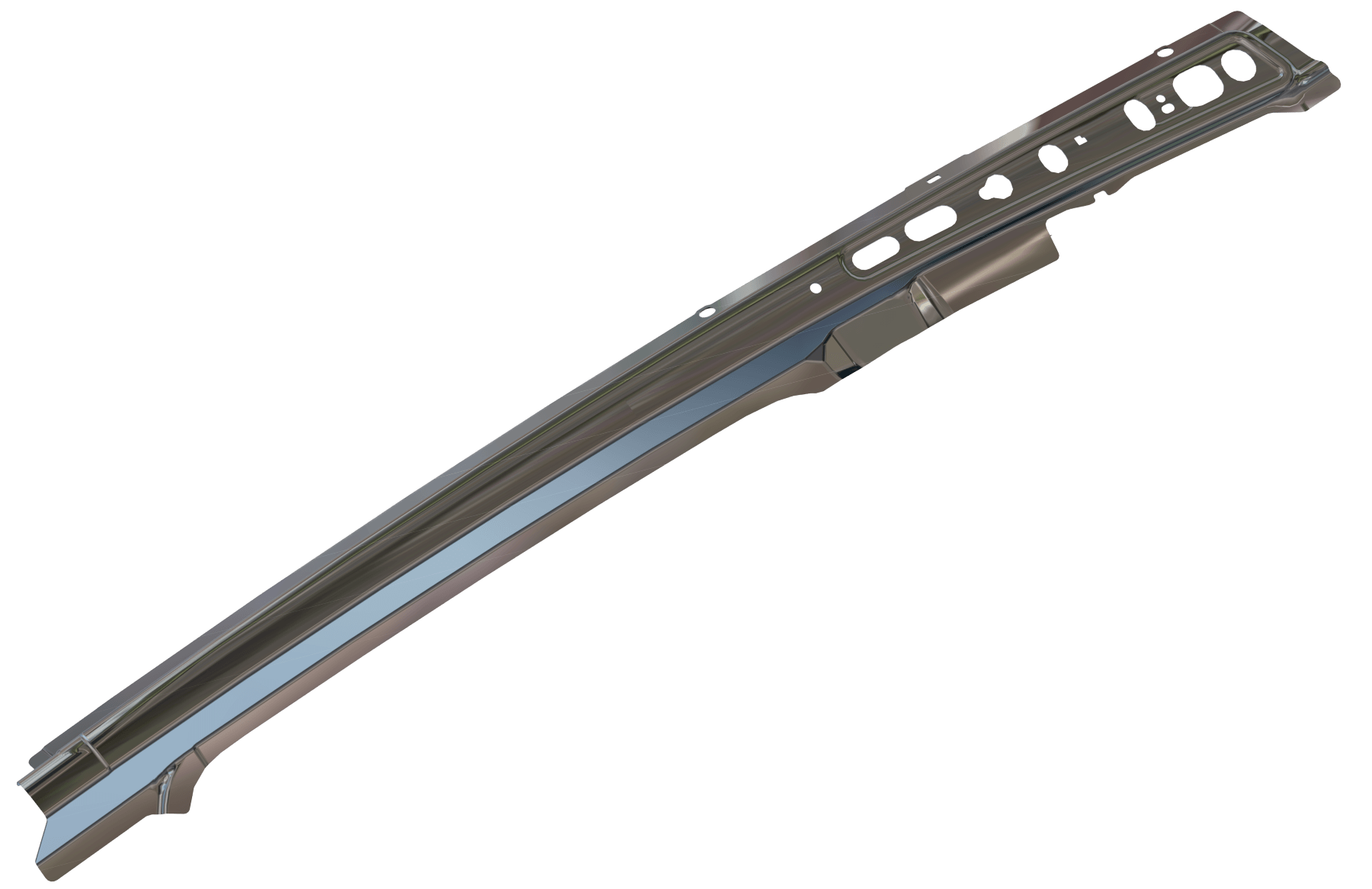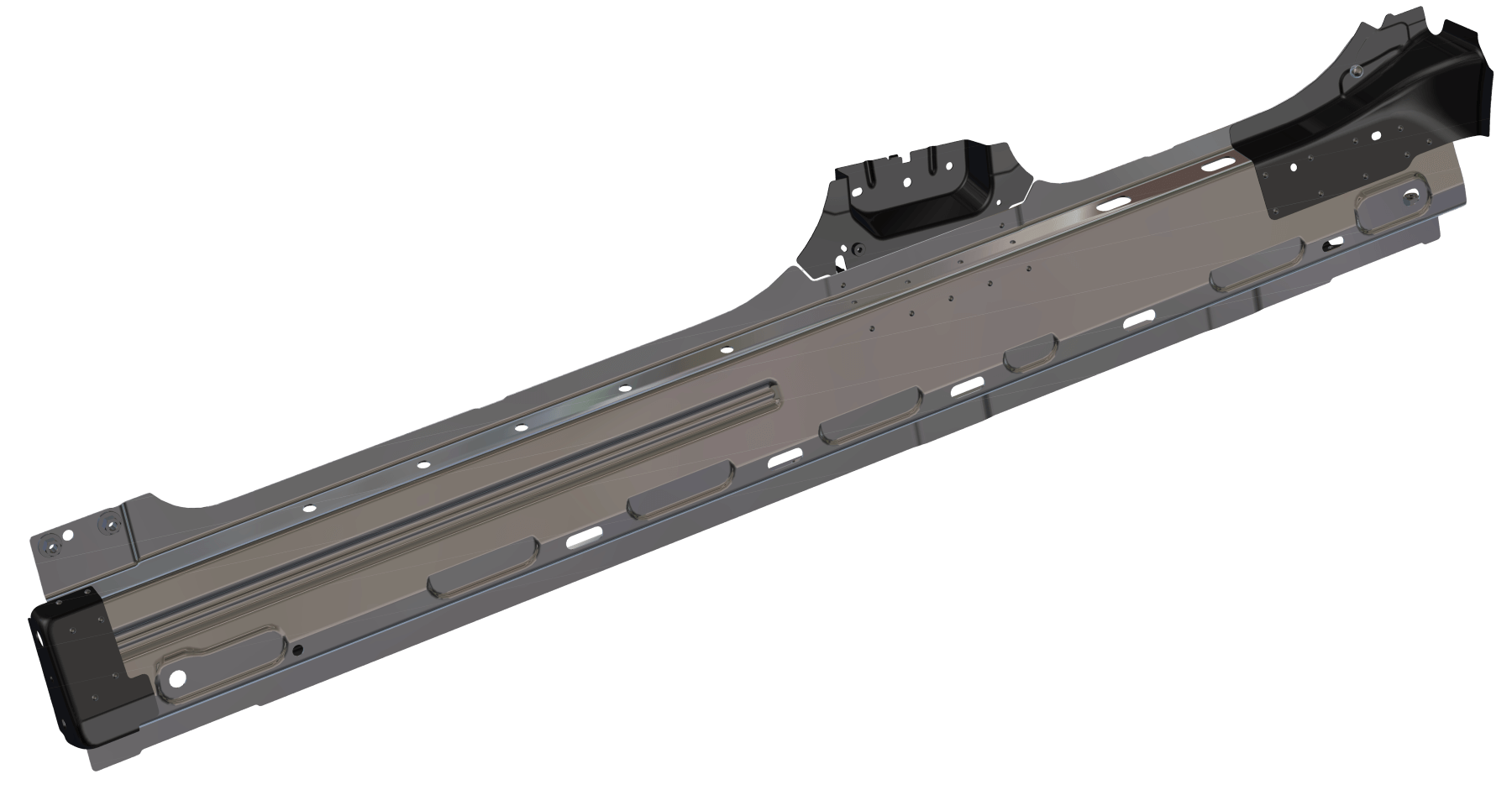



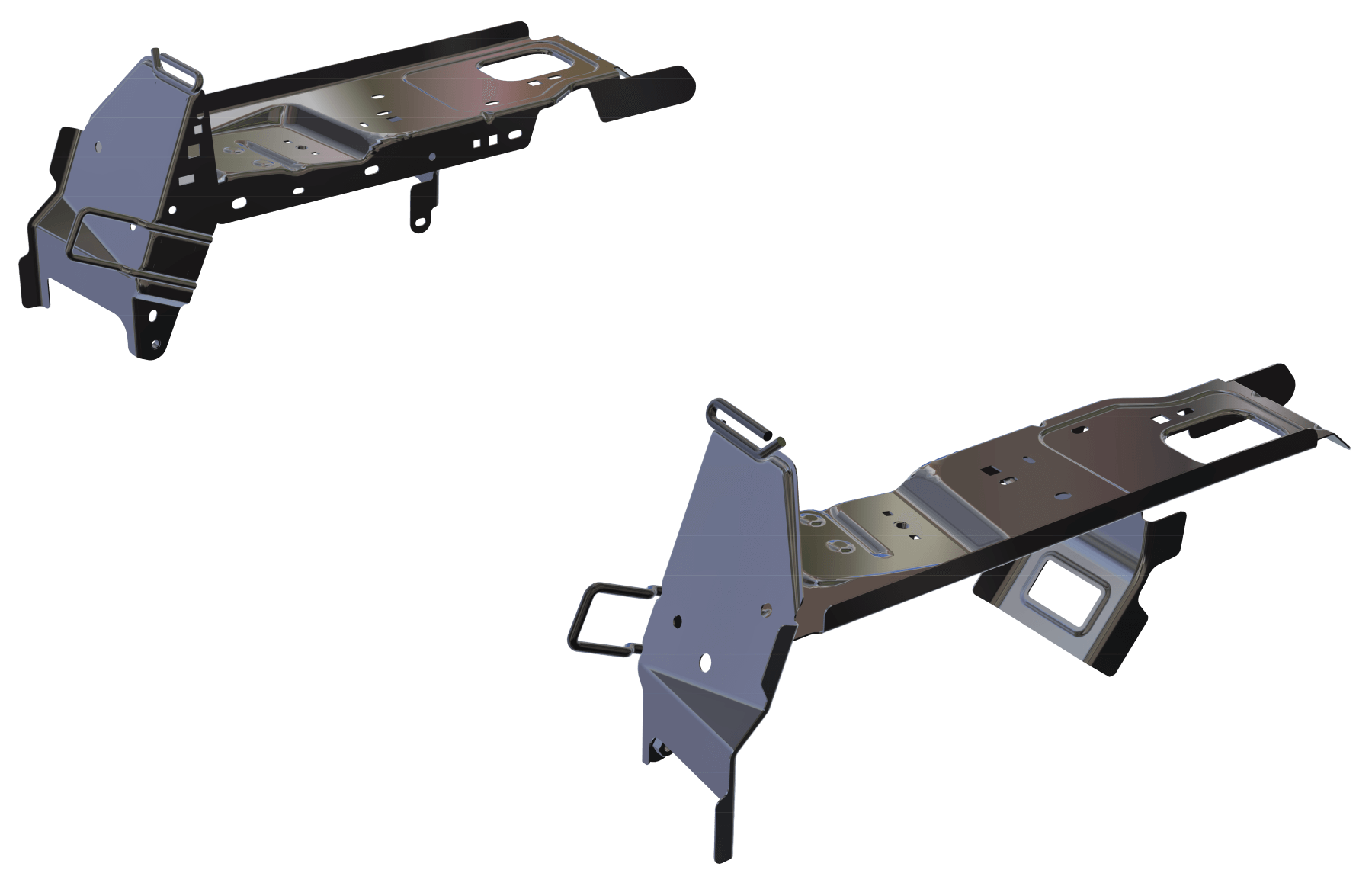
SUPPORT FIX ROLLER COVER
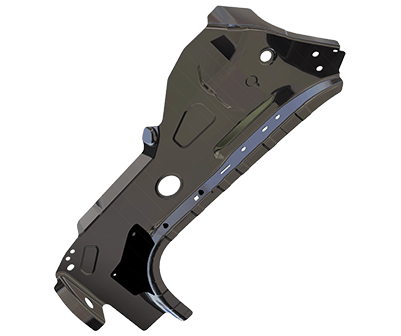
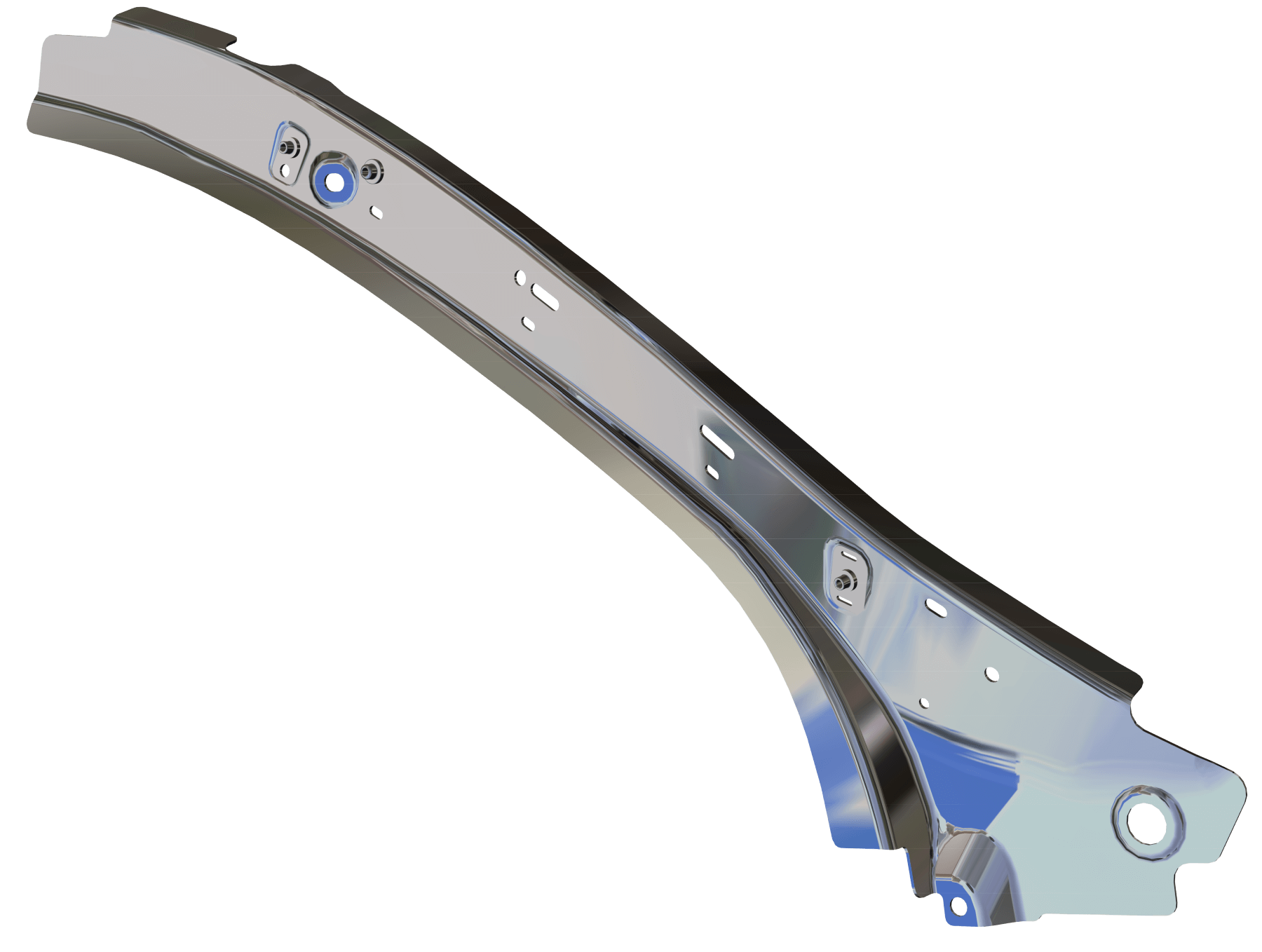
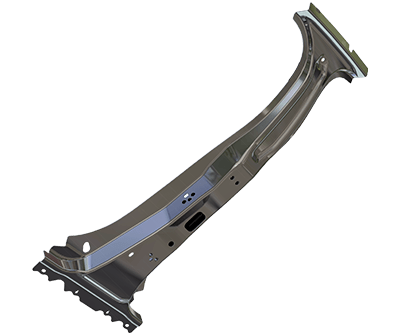
The support fix roller cover is a steel structural bracket integrated into the rear body structure of the vehicle’s body-in-white (BIW), designed to provide mounting and load support for the retractable roller cover system typically used in the luggage compartment area.
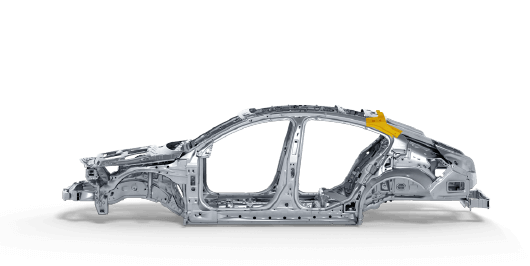
It serves several critical functions:
-
Structural support: Provides a rigid and durable mounting base for the roller cover cassette or its guiding components, ensuring long-term operational reliability.
-
Load transfer: Transfers operational loads from the roller mechanism into the surrounding body structure, helping to maintain stability and minimize deformation.
-
Assembly interface: Serves as a welded or spot-welded joining point between side panels, floor reinforcements, or trim support brackets.
-
Packaging and integration: Designed to fit within tight packaging envelopes while aligning with trim, interior panels, and adjacent reinforcement zones.
-
NVH contribution: Contributes to vibration control and system noise reduction through structural stiffness and precise joint execution.
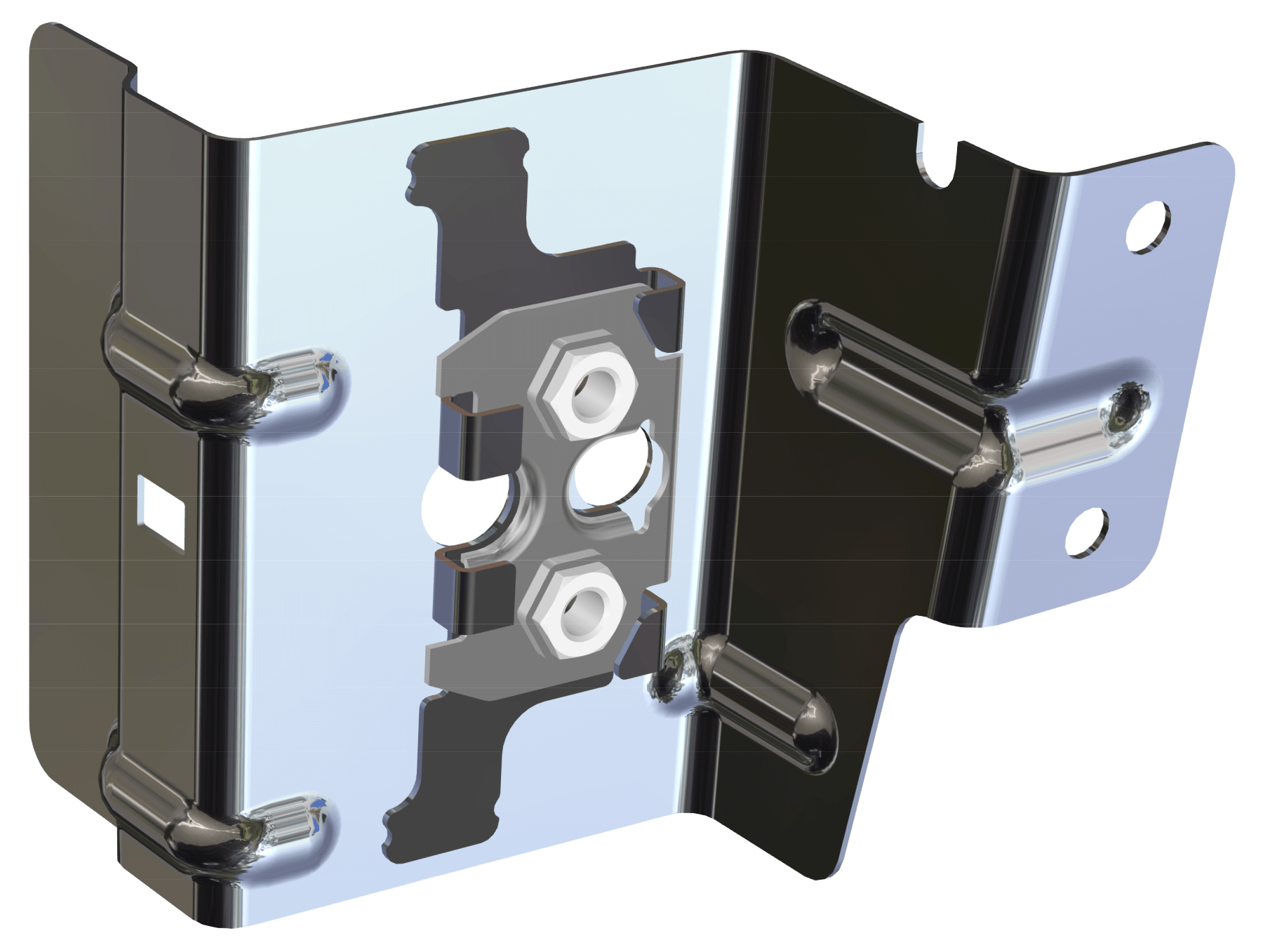
The support fix roller cover is typically made from stamped high-strength steel and formed through progressive die stamping. It is integrated into the body structure using spot welding, or MIG/MAG welding processes. In some designs, it includes flanges, locator holes, or mounting studs to support final assembly operations and ensure dimensional accuracy.
This component
is manufactured and assembled
using technologies such as:

Cold Stamping
Spot welding

Arc (MAG) welding

Projection welding
BODY IN WHITE
Body in White (BIW) is the stage in automotive manufacturing where the vehicle’s sheet metal structure (body) is fully assembled.
BIW includes the main structural and outer body components such as:
floor pan, roof, side panels, front and rear aprons, pillars (A, B, C), door frames, hood and trunk lid (if pre-assembled).
These components made and joined using technologies such as:
hot and cold forming, spot welding, laser cutting, MIG/MAG welding, laser welding, riveting, adhesive bonding.
The BIW structure ensures vehicle stifness, crash safety, dimensional accuracy, and provides the base for further assembly and surface finishing processes.