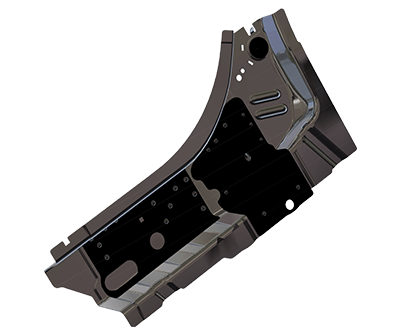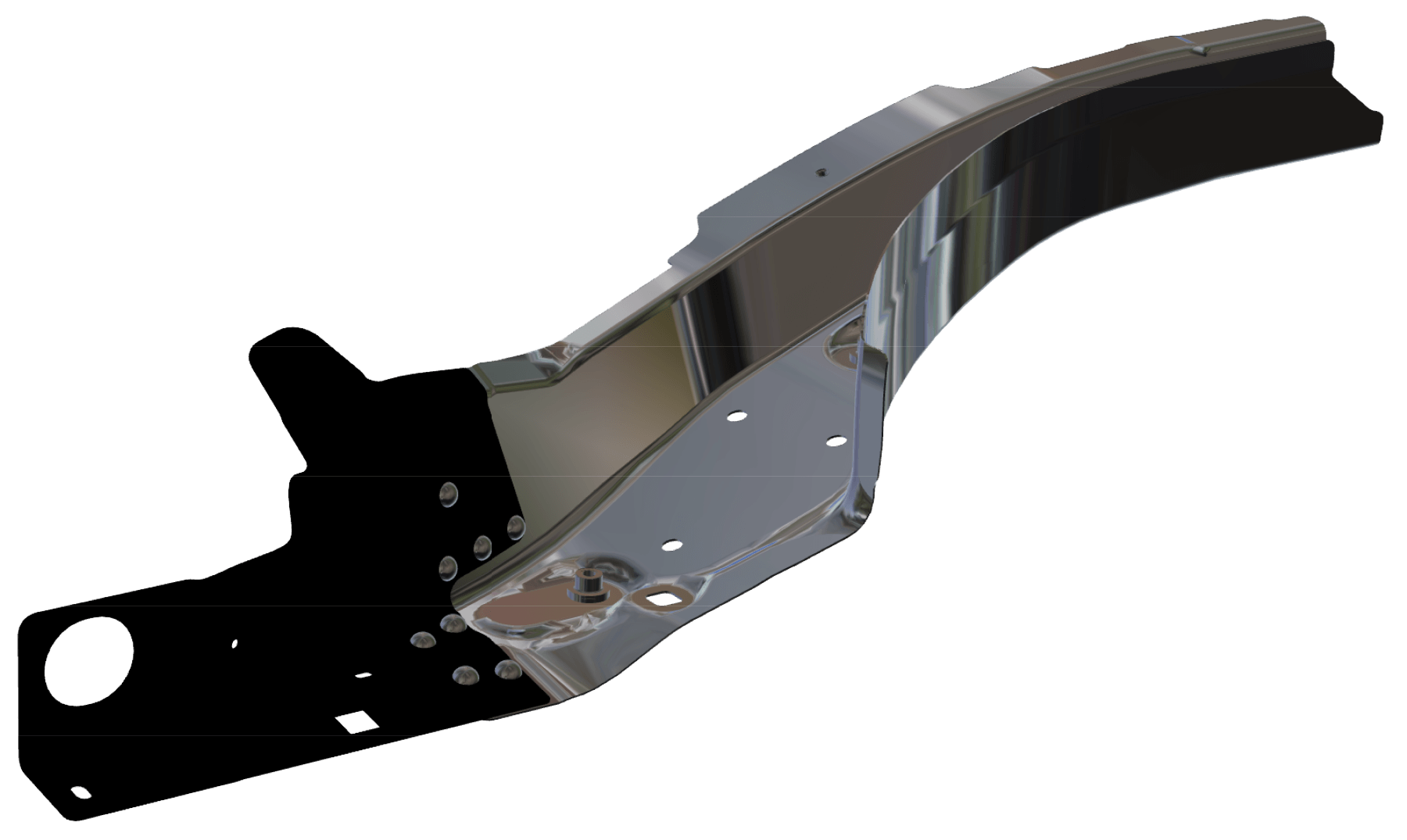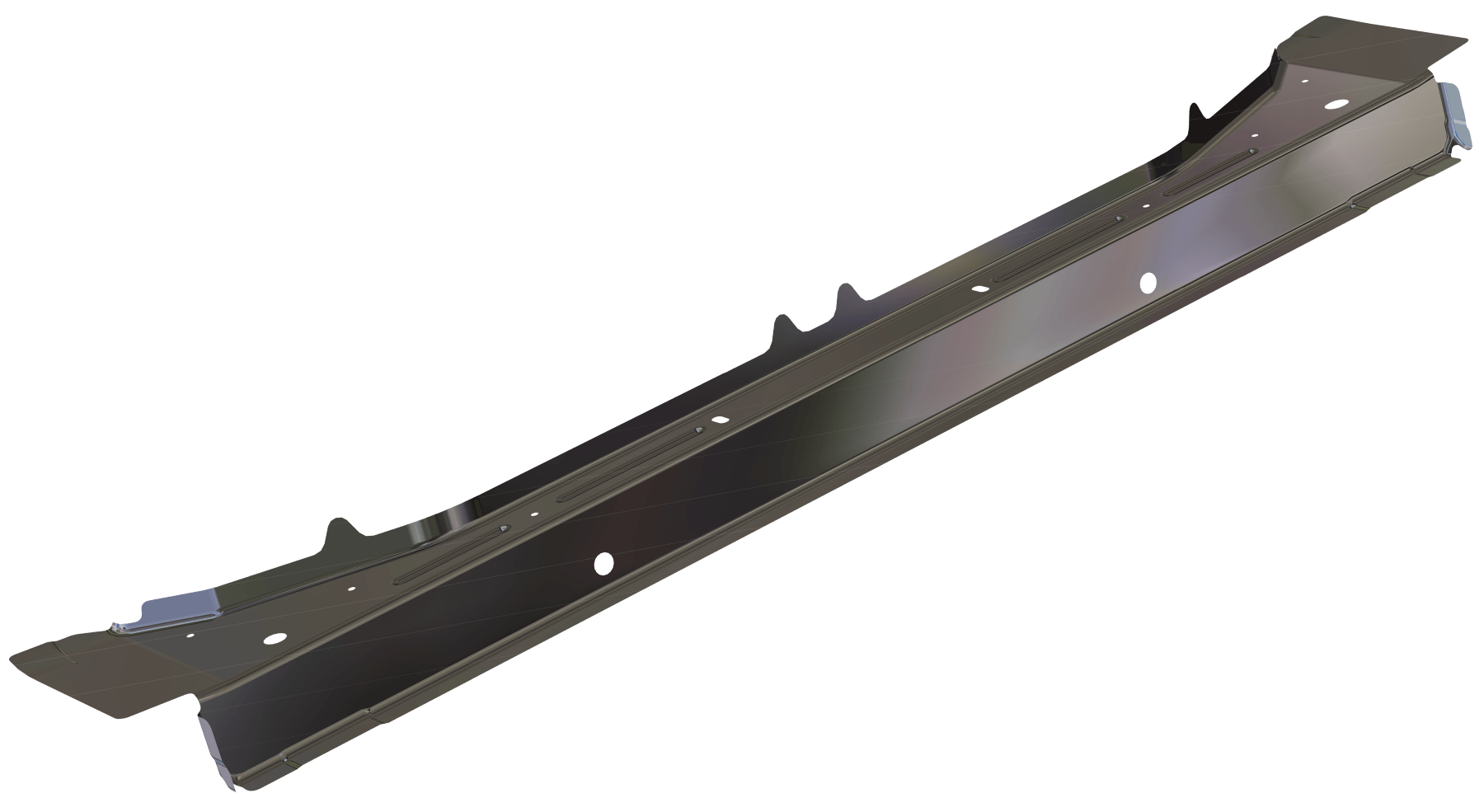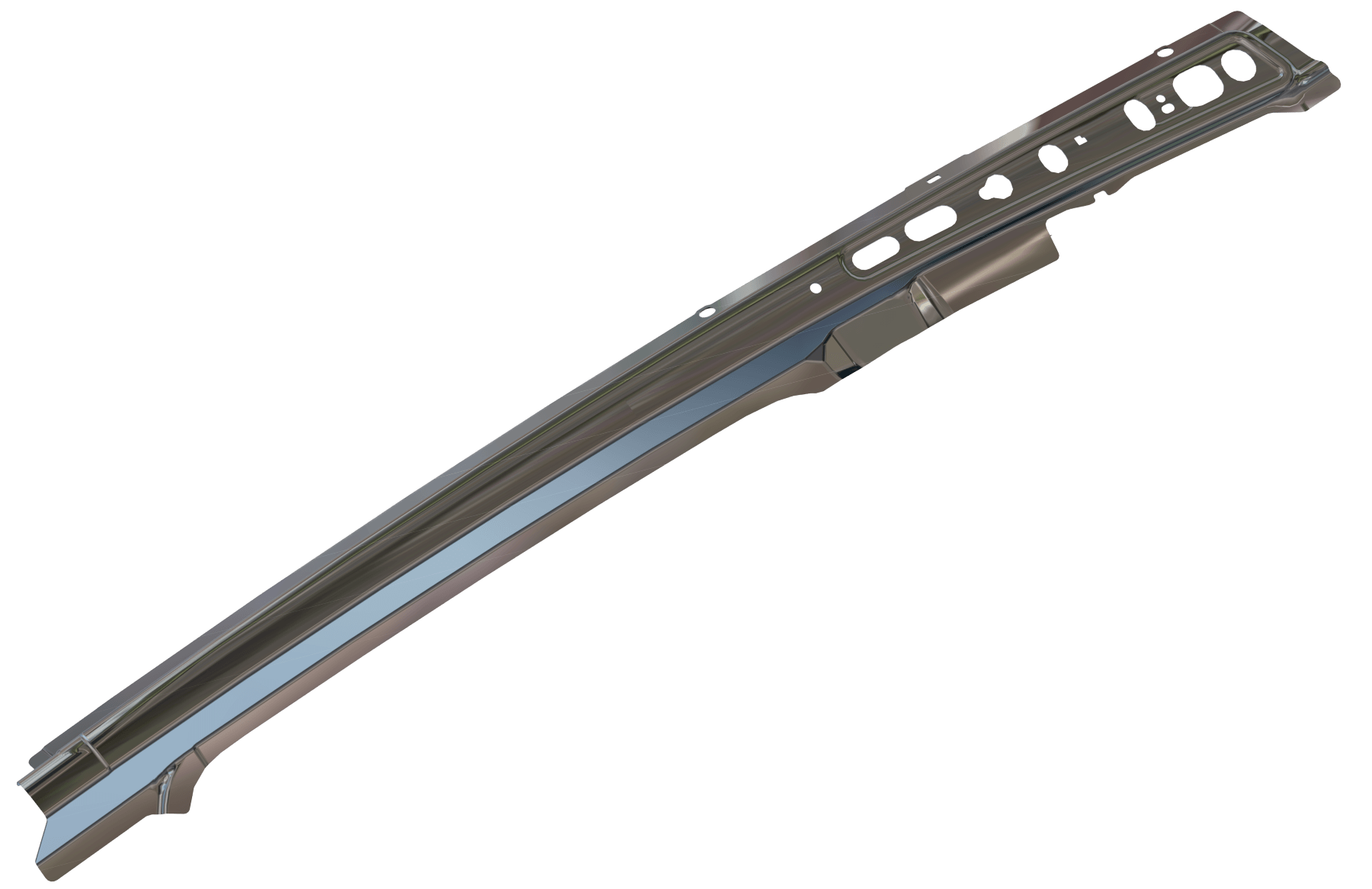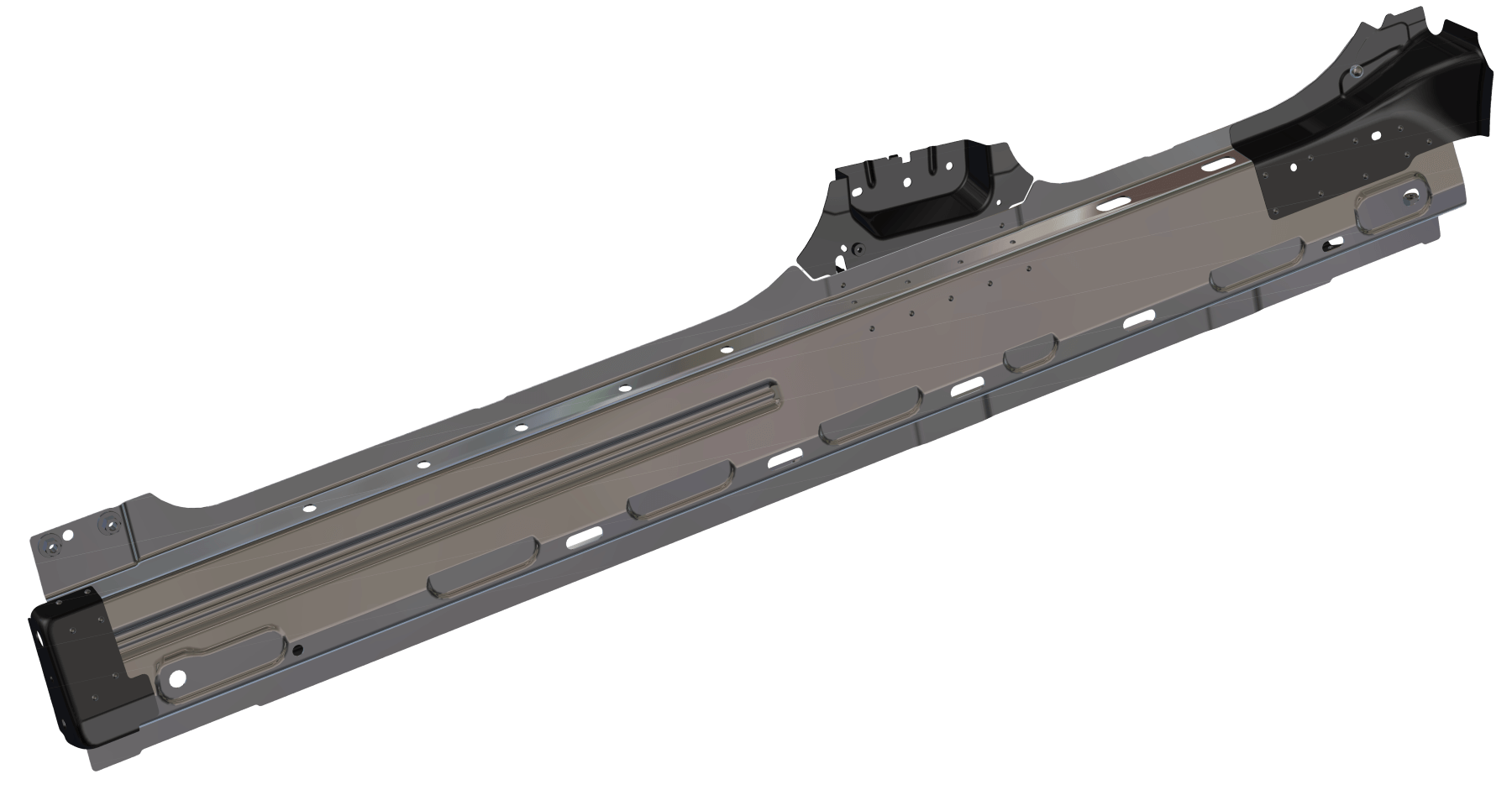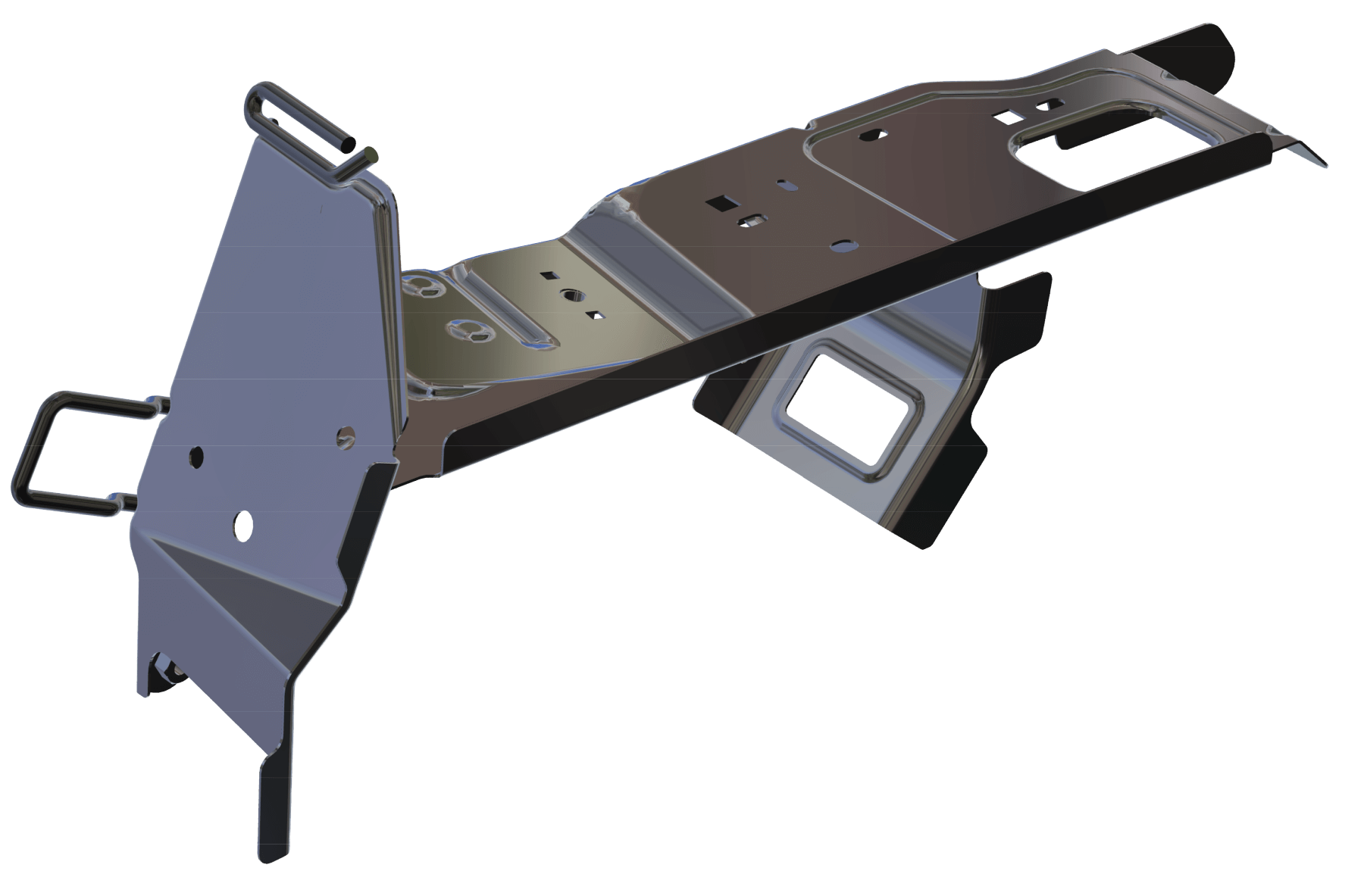



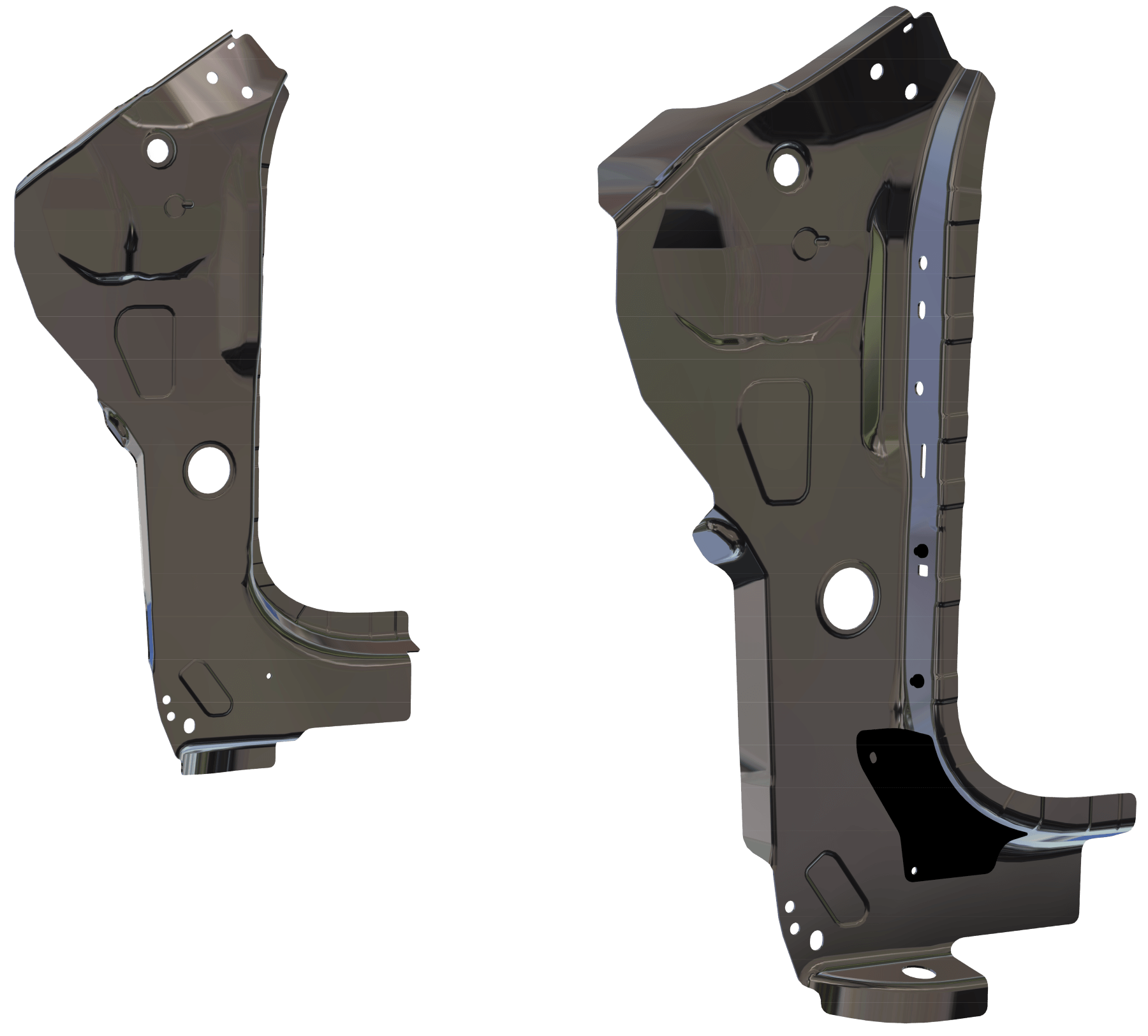
A-PILLAR INNER LOWER
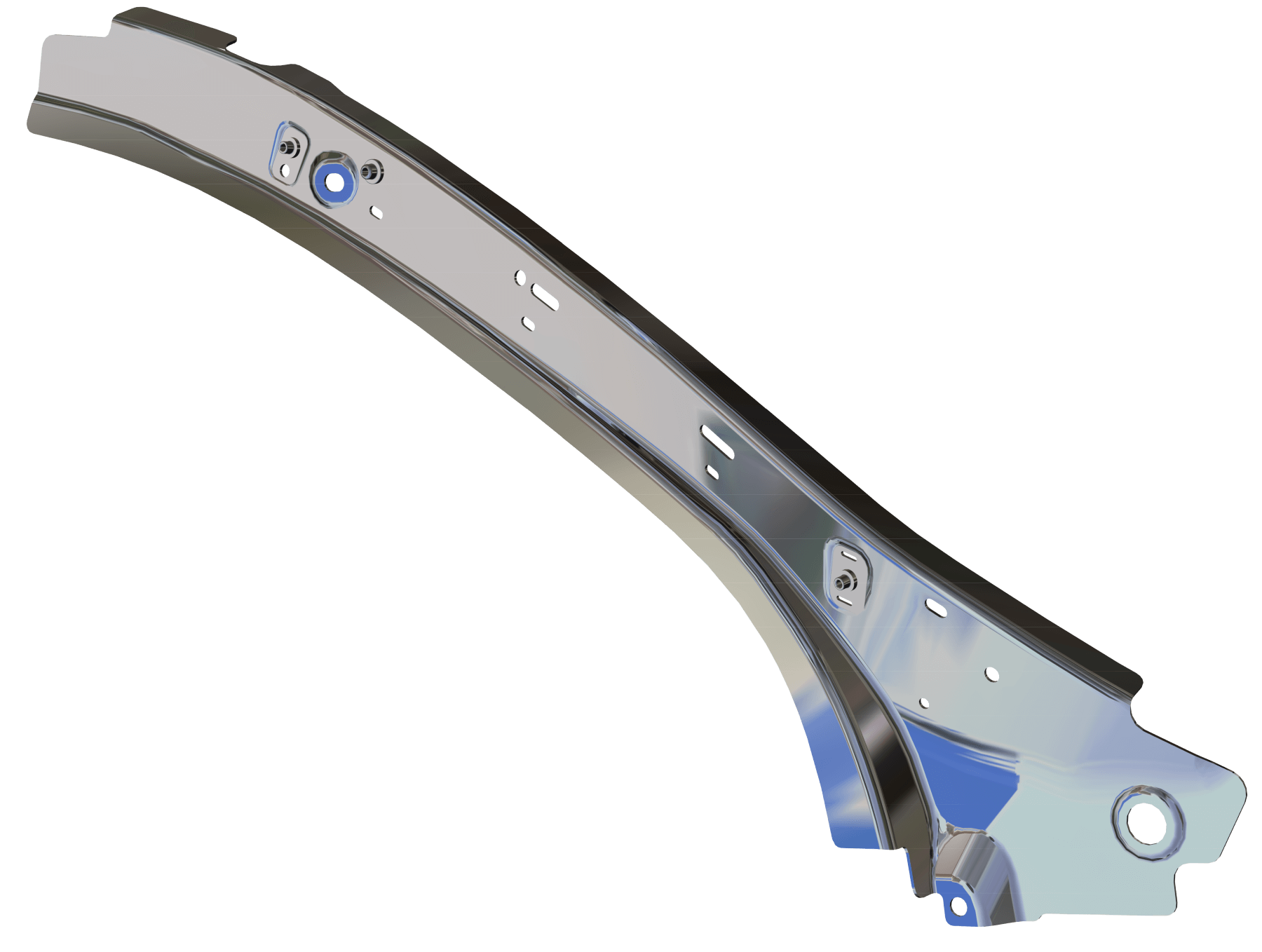
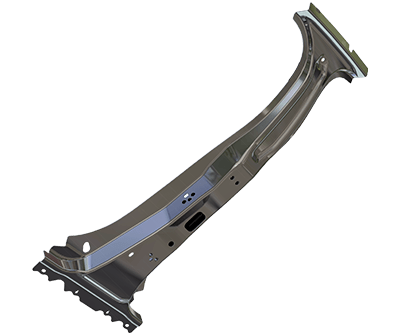
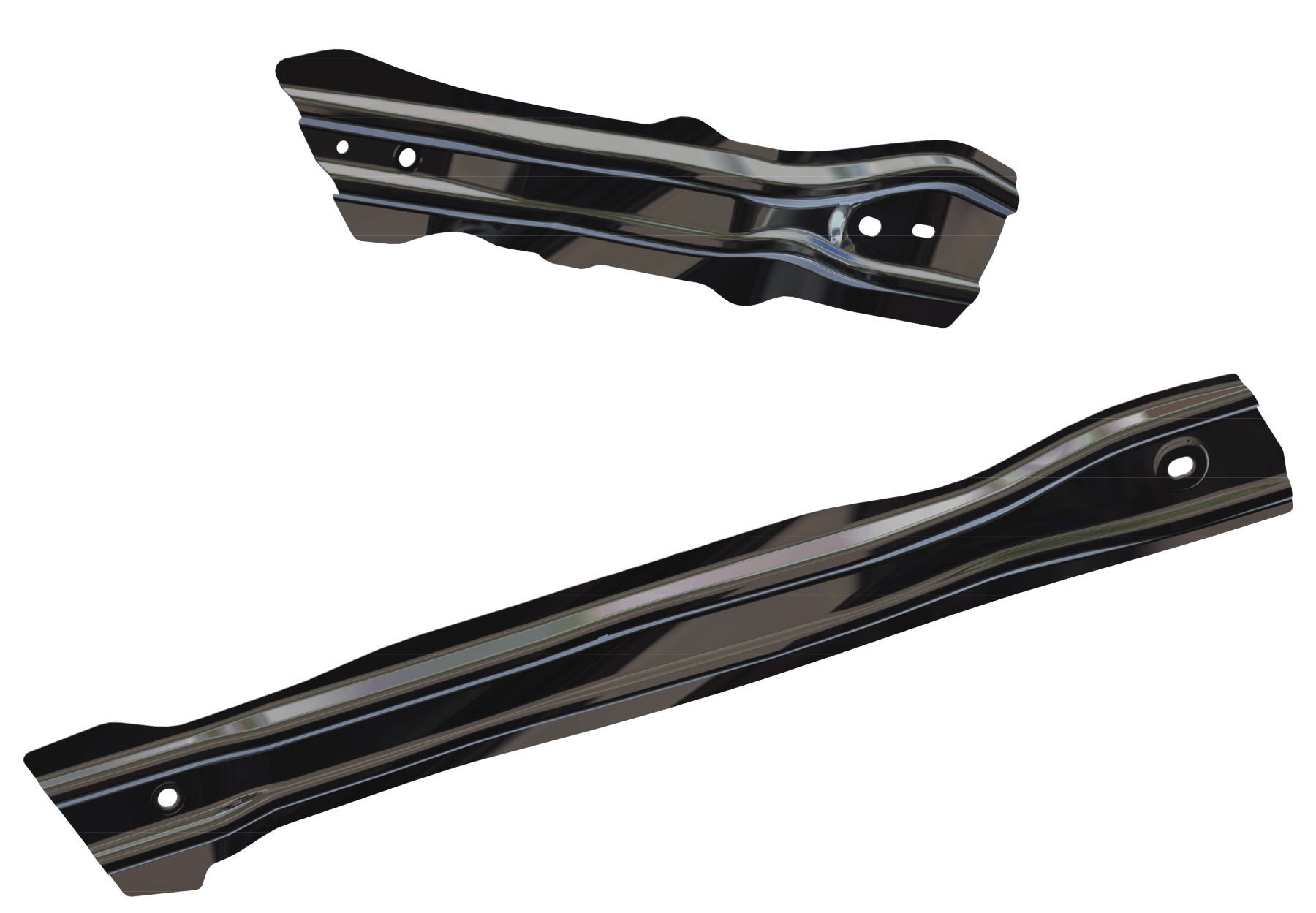
A-pillar inner lower (Lower Inner Structure of the Front Pillar), is the lower section of the internal reinforcement structure of the A-pillar in the vehicle’s body-in-white (BIW). Located between the base of the windshield and the upper portion of the front side sill, it plays a critical role in linking the front-end structure to the passenger safety cell.
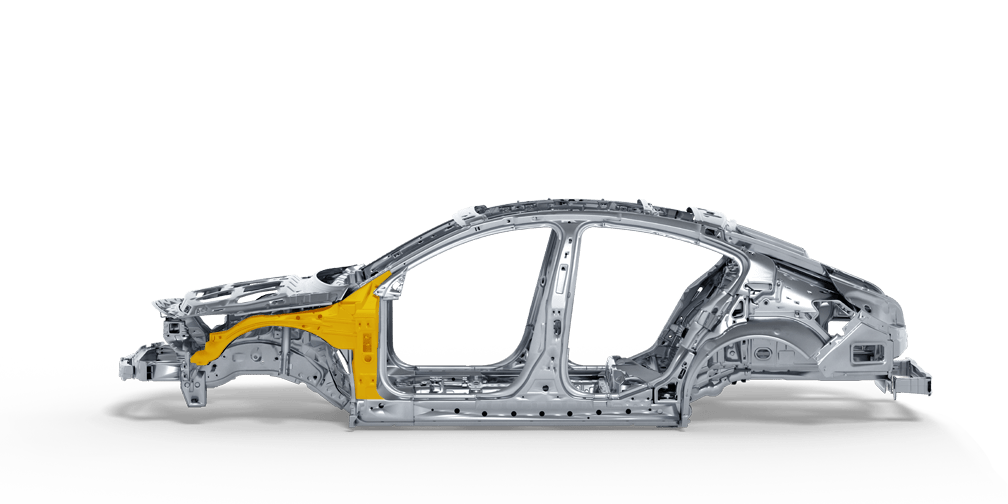
It serves several critical functions:
-
Crash load management: Forms a vital part of the load path in frontal and offset collisions, transferring forces from the A-pillar into the sill and floor structures.
-
Structural reinforcement: Increases local rigidity of the lower A-pillar zone, enhancing overall cabin strength and minimizing deformation.
-
Hinge and fender support: Often provides internal anchoring points for the front door hinge and interfaces with the front fender structure.
-
Airbag system integration: Accommodates or supports deployment space for side curtain and knee airbags in some designs.
-
Corrosion and sealing zones: Includes drainage paths, hem flanges, or sealing surfaces to prevent water ingress and reduce corrosion risk at this critical junction.
The A-pillar inner lower is typically made from ultra-high-strength steel (UHSS) using cold stamping or hot forming processes. It is spot-welded or laser-welded to adjacent structures, including the side sill, floorpan, and outer A-pillar. In safety-critical zones, it may include tailored thickness sections, reinforcement brackets, or crash initiators for energy absorption.
This component
is manufactured and assembled
using technologies such as:

Hot Stamping

Laser Cutting

Cold Stamping
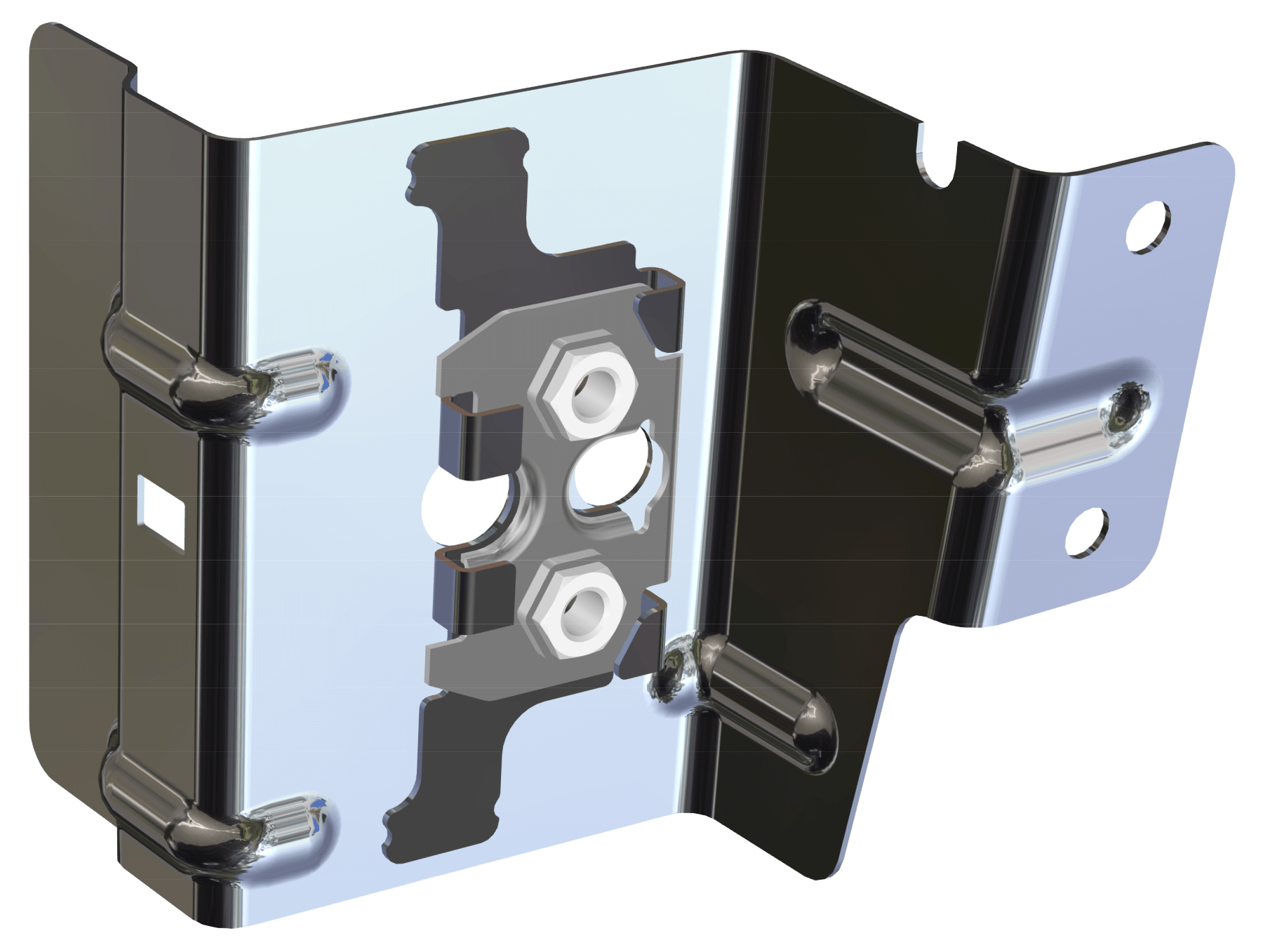
Patch welding

Projection welding
BODY IN WHITE
Body in White (BIW) is the stage in automotive manufacturing where the vehicle’s sheet metal structure (body) is fully assembled.
BIW includes the main structural and outer body components such as:
floor pan, roof, side panels, front and rear aprons, pillars (A, B, C), door frames, hood and trunk lid (if pre-assembled).
These components made and joined using technologies such as:
hot and cold forming, spot welding, laser cutting, MIG/MAG welding, laser welding, riveting, adhesive bonding.
The BIW structure ensures vehicle stifness, crash safety, dimensional accuracy, and provides the base for further assembly and surface finishing processes.