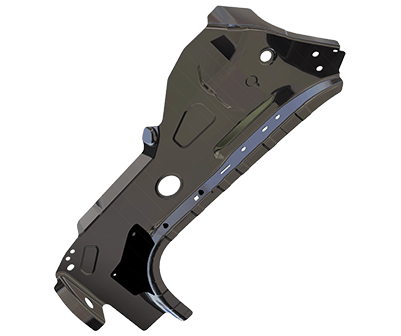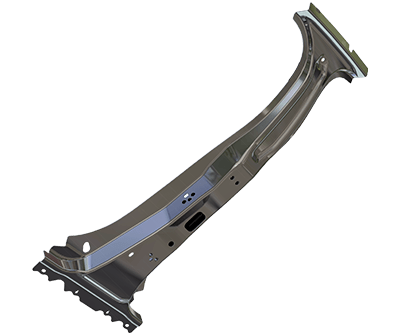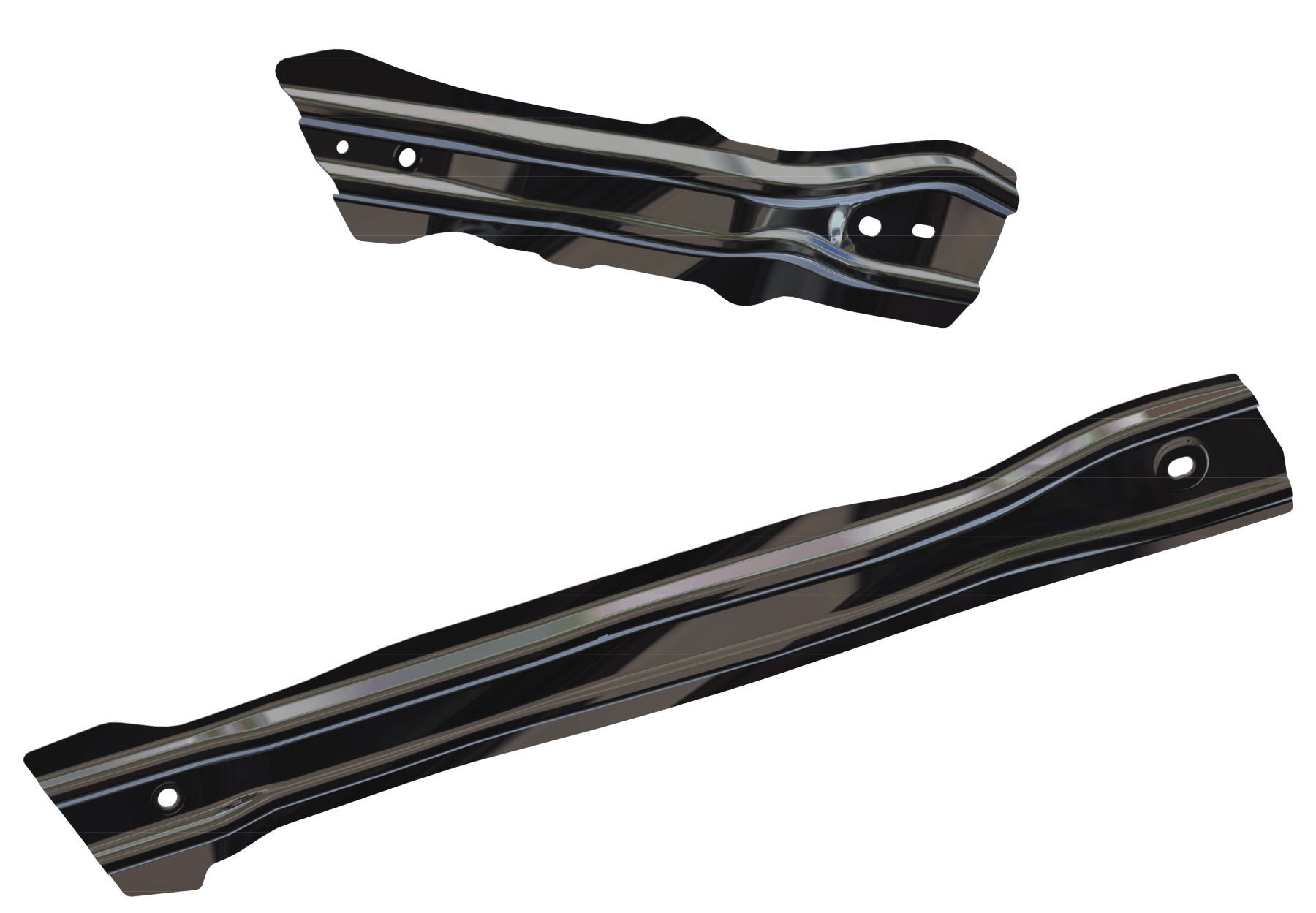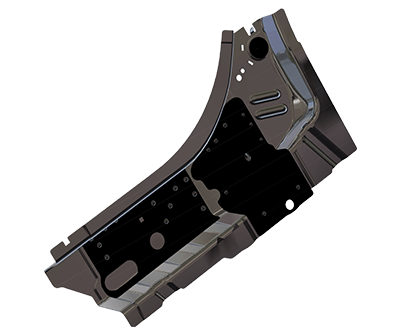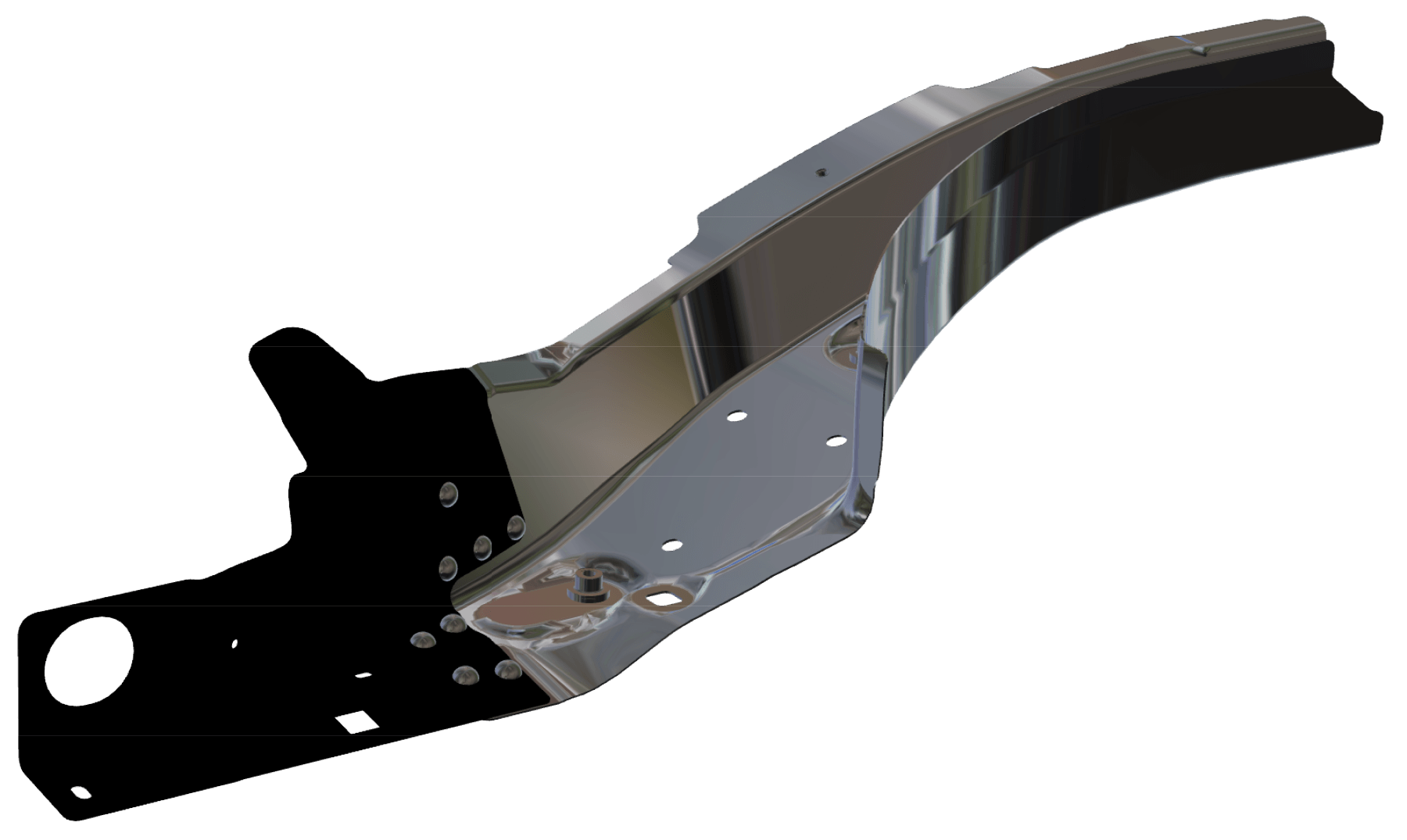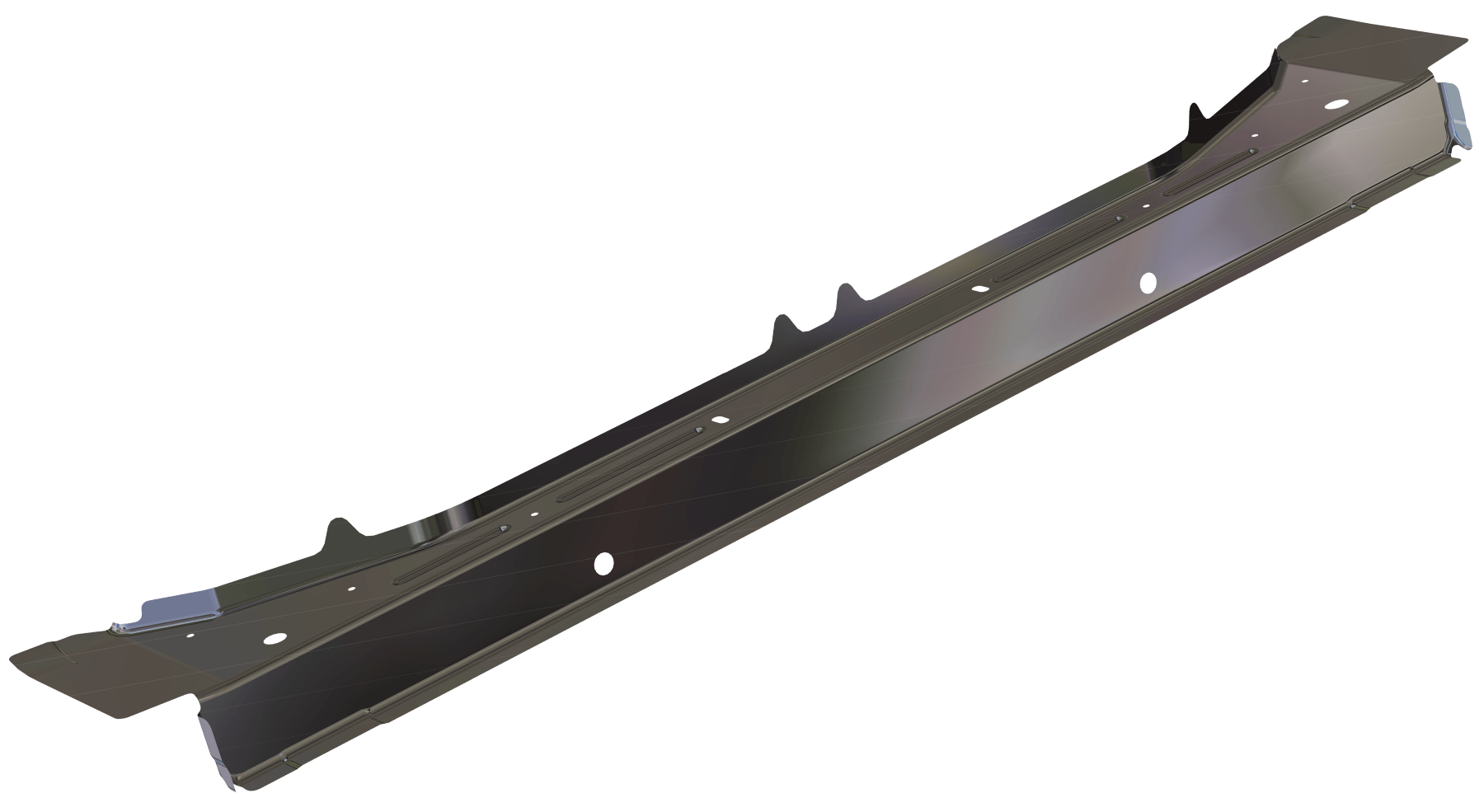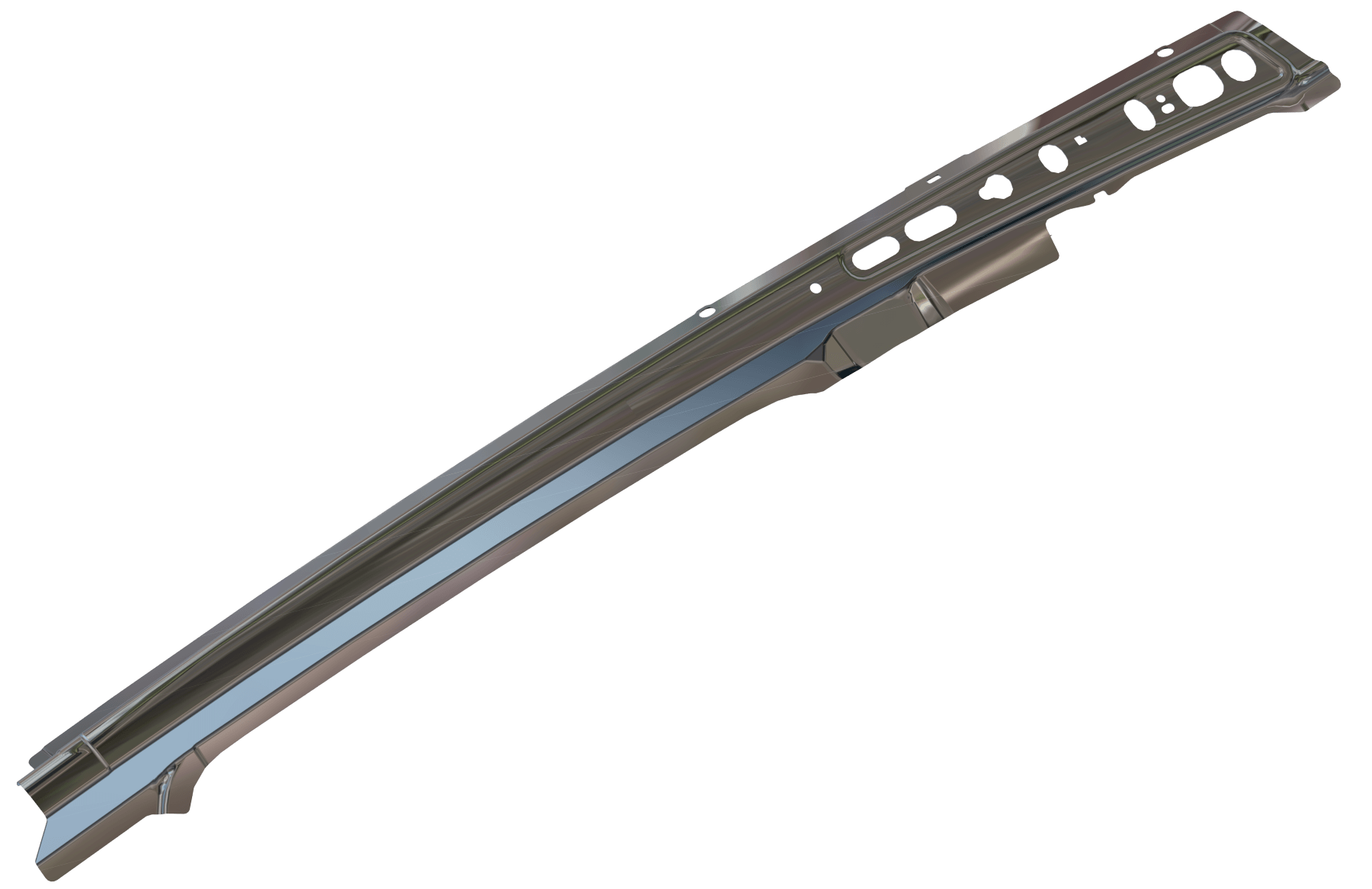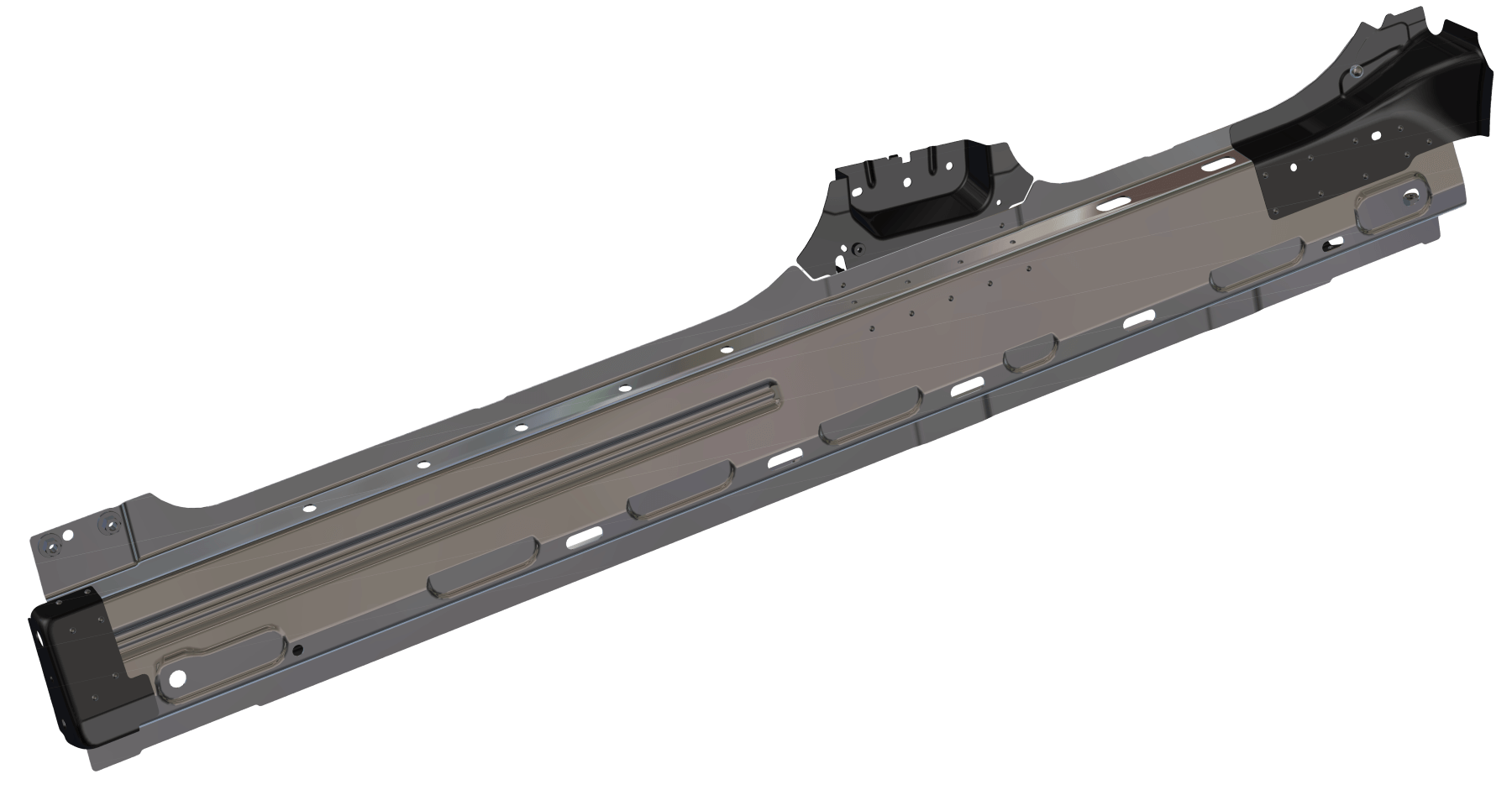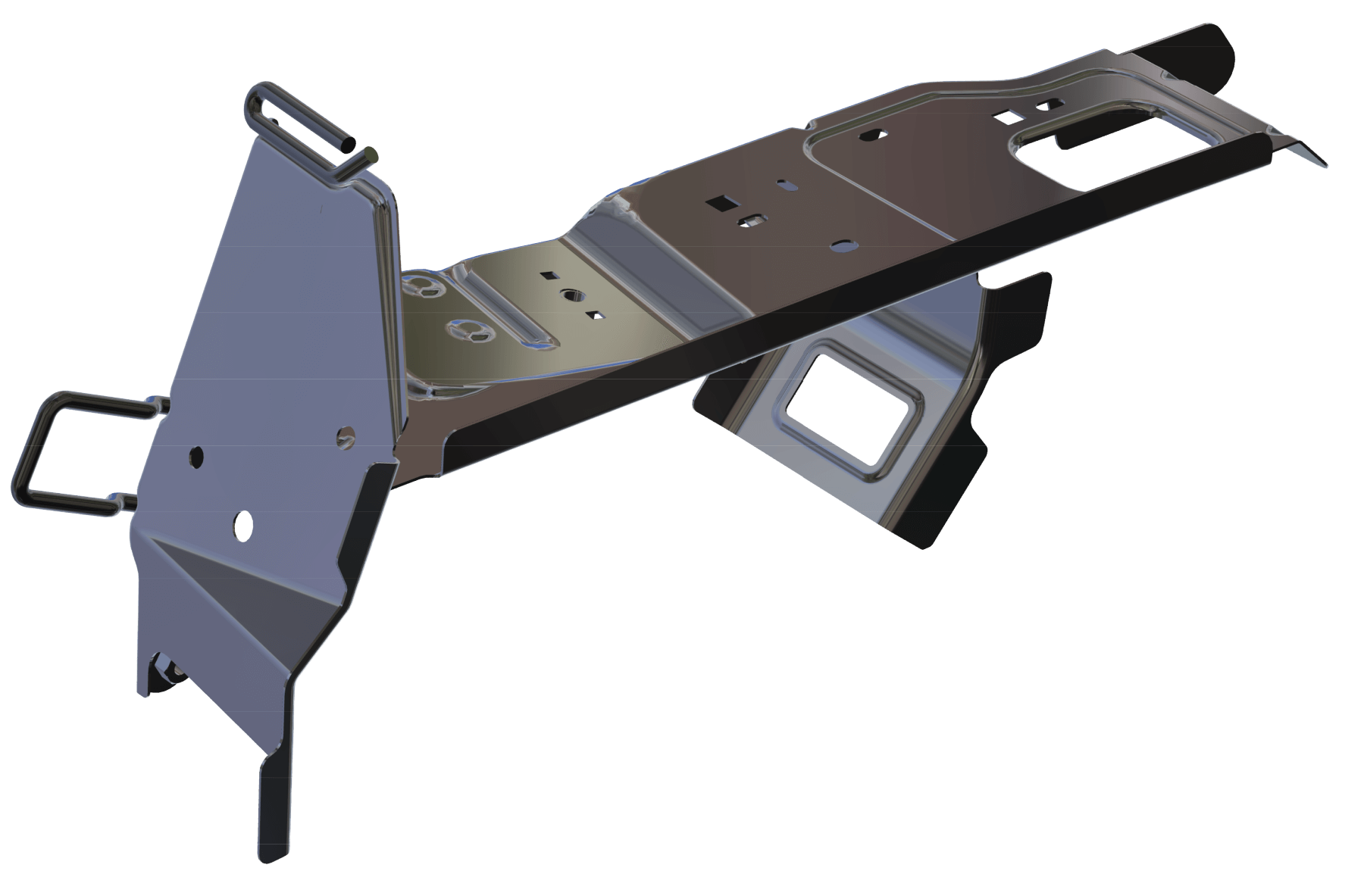



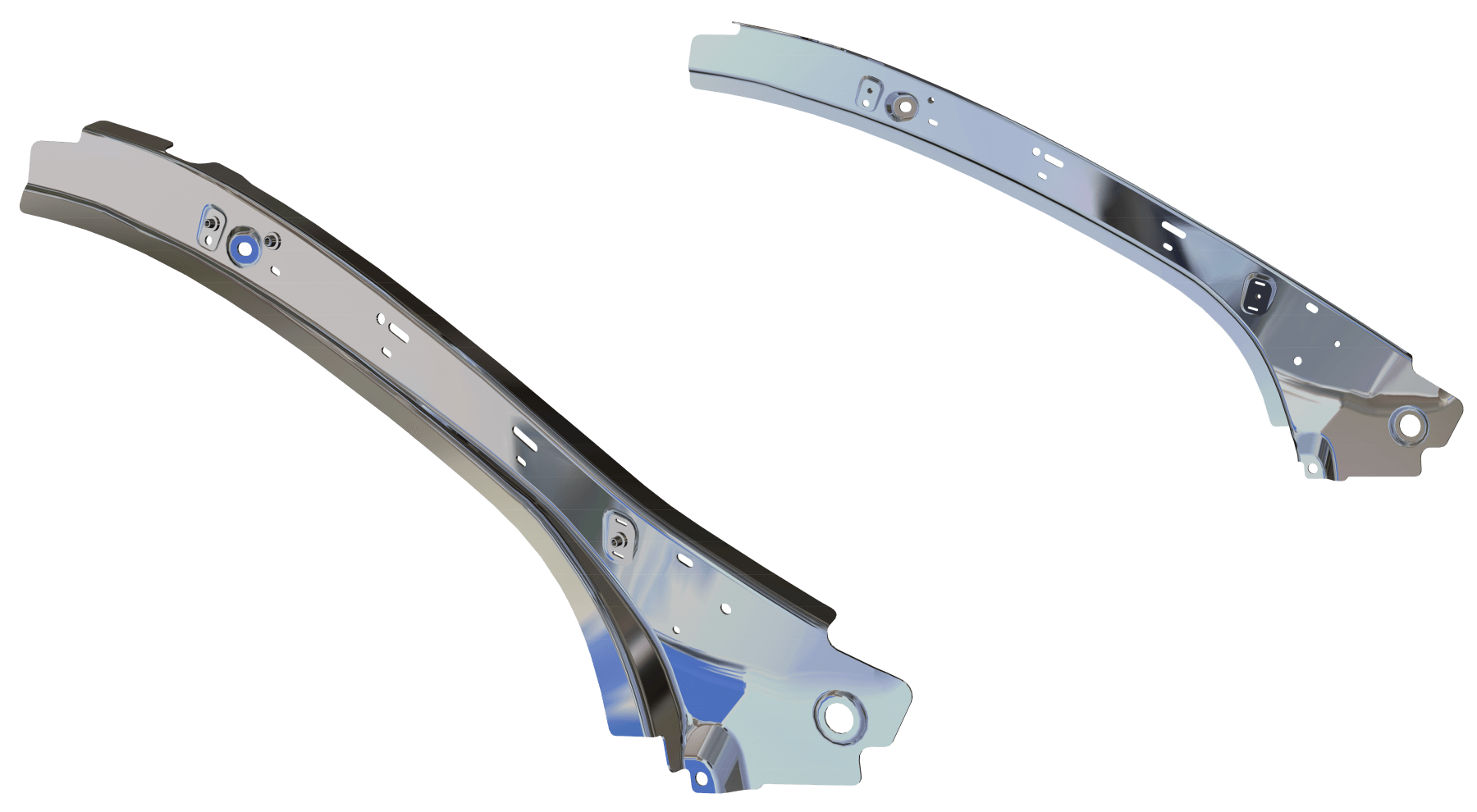
A-PILLAR INNER UPPER
The A-pillar inner upper is the upper section of the inner reinforcement of the A-pillar in the vehicle’s body-in-white (BIW). It connects the mid-section of the A-pillar to the roof rail, and is located behind the windshield and front header area. This structural element is crucial for maintaining roof strength and providing occupant protection in multiple crash scenarios.
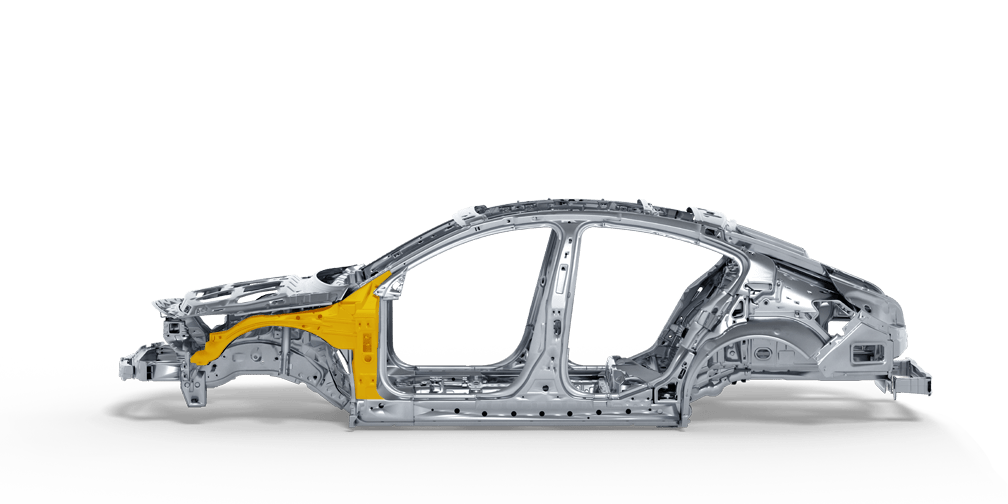
It serves several critical functions:
-
Roof-to-body connection: Links the A-pillar base and mid-section to the roof rail and windshield header, completing the front vertical load path of the body structure.
-
Rollover and crash protection: Contributes significantly to roof crush resistance and provides structural reinforcement in rollover events and frontal-offset crashes.
-
Airbag and trim integration: Houses the mounting interfaces or clearance for curtain airbags, wiring harnesses, and A-pillar trim panels.
-
NVH and sealing: Supports inner sealing surfaces and helps reduce wind noise, vibrations, and water ingress around the windshield area.
-
Structural stiffness: Enhances local and global stiffness of the cabin, particularly in the upper body structure, improving handling and safety.
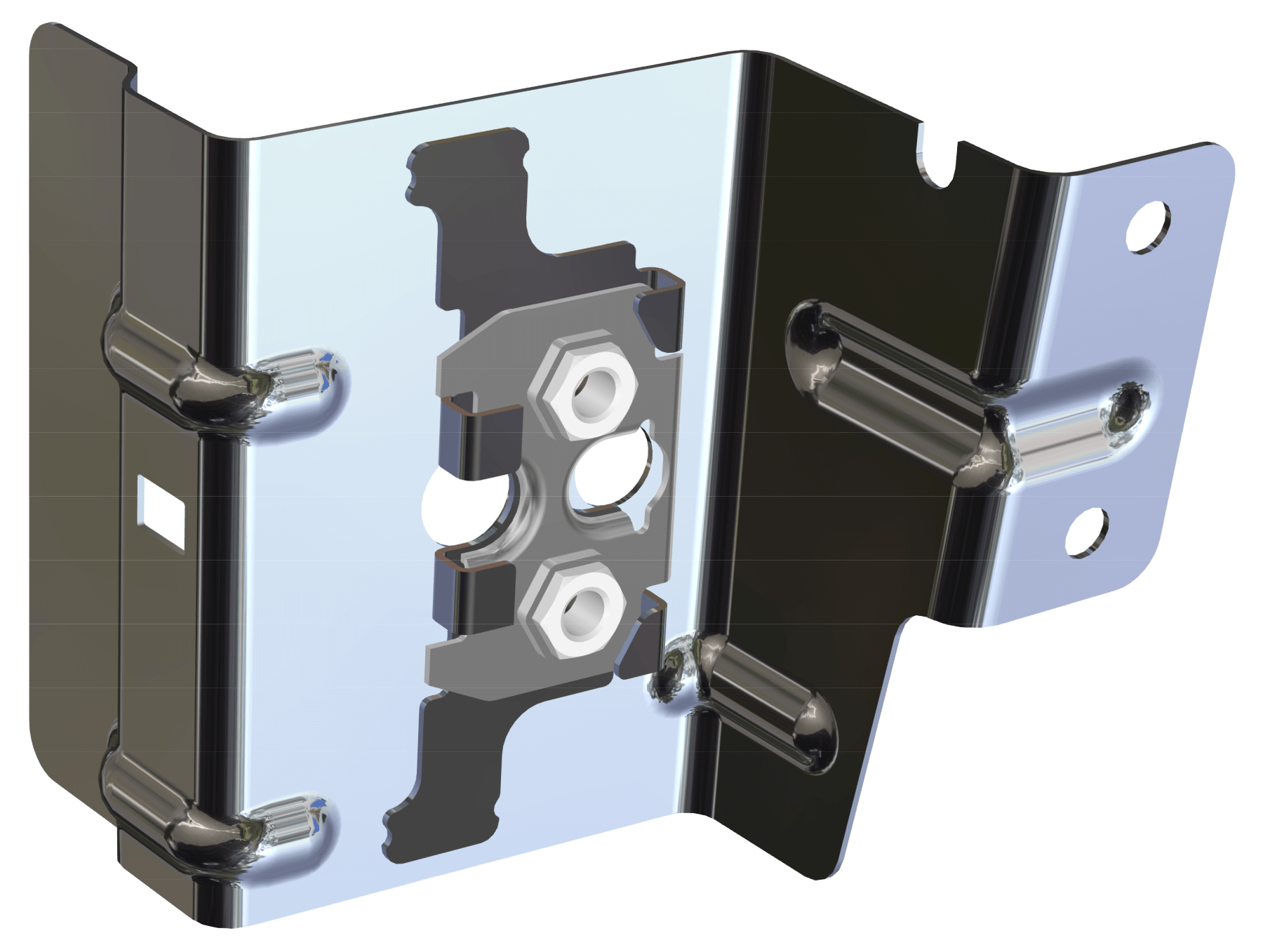
The A-pillar inner upper is typically manufactured from high-strength or ultra-high-strength steel using cold stamping or tailored hot forming processes. It is joined to adjacent structures—such as the roof rail inner, outer A-pillar, and header reinforcements—through spot welding or laser welding. It may include design features like foam inserts or crash initiators to optimize energy absorption.
This component
is manufactured and assembled
using technologies such as:

Hot Stamping

Laser Cutting
BODY IN WHITE
Body in White (BIW) is the stage in automotive manufacturing where the vehicle’s sheet metal structure (body) is fully assembled.
BIW includes the main structural and outer body components such as:
floor pan, roof, side panels, front and rear aprons, pillars (A, B, C), door frames, hood and trunk lid (if pre-assembled).
These components made and joined using technologies such as:
hot and cold forming, spot welding, laser cutting, MIG/MAG welding, laser welding, riveting, adhesive bonding.
The BIW structure ensures vehicle stifness, crash safety, dimensional accuracy, and provides the base for further assembly and surface finishing processes.